BCN sends Happy birthday wishes to Peter Griffiths
Peter Charles Griffiths was born on Thursday, August 15th, in 1946 in Birmingham, Warwickshire. His mother’s maiden name was Ward.
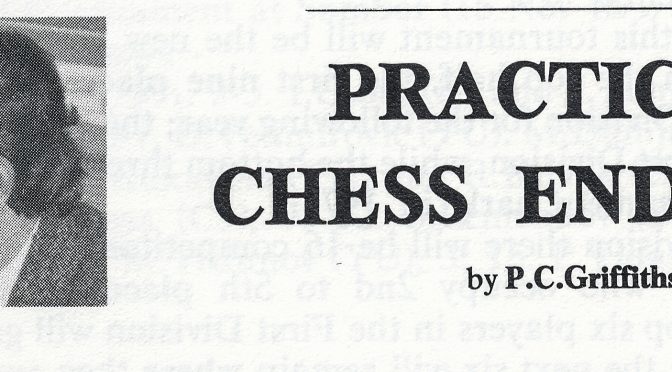
Peter was a strong player active from the 1960s until 1989. He played in the British Championships more than once and was a professional coach and writer. He wrote the column “Practical Chess Endings” which appeared in the British Chess Magazine. The column commenced in the December 1972 issue and columns became less frequent until around 1991.
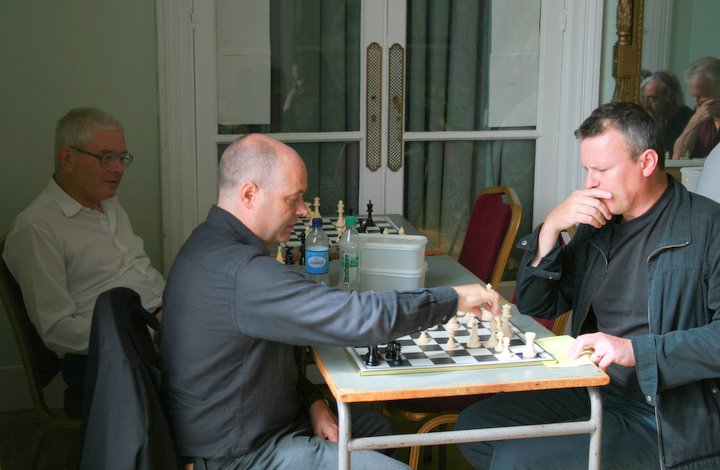
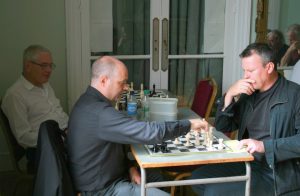
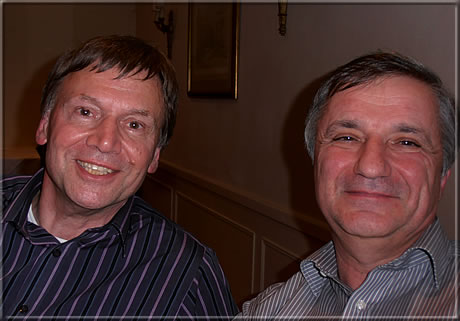
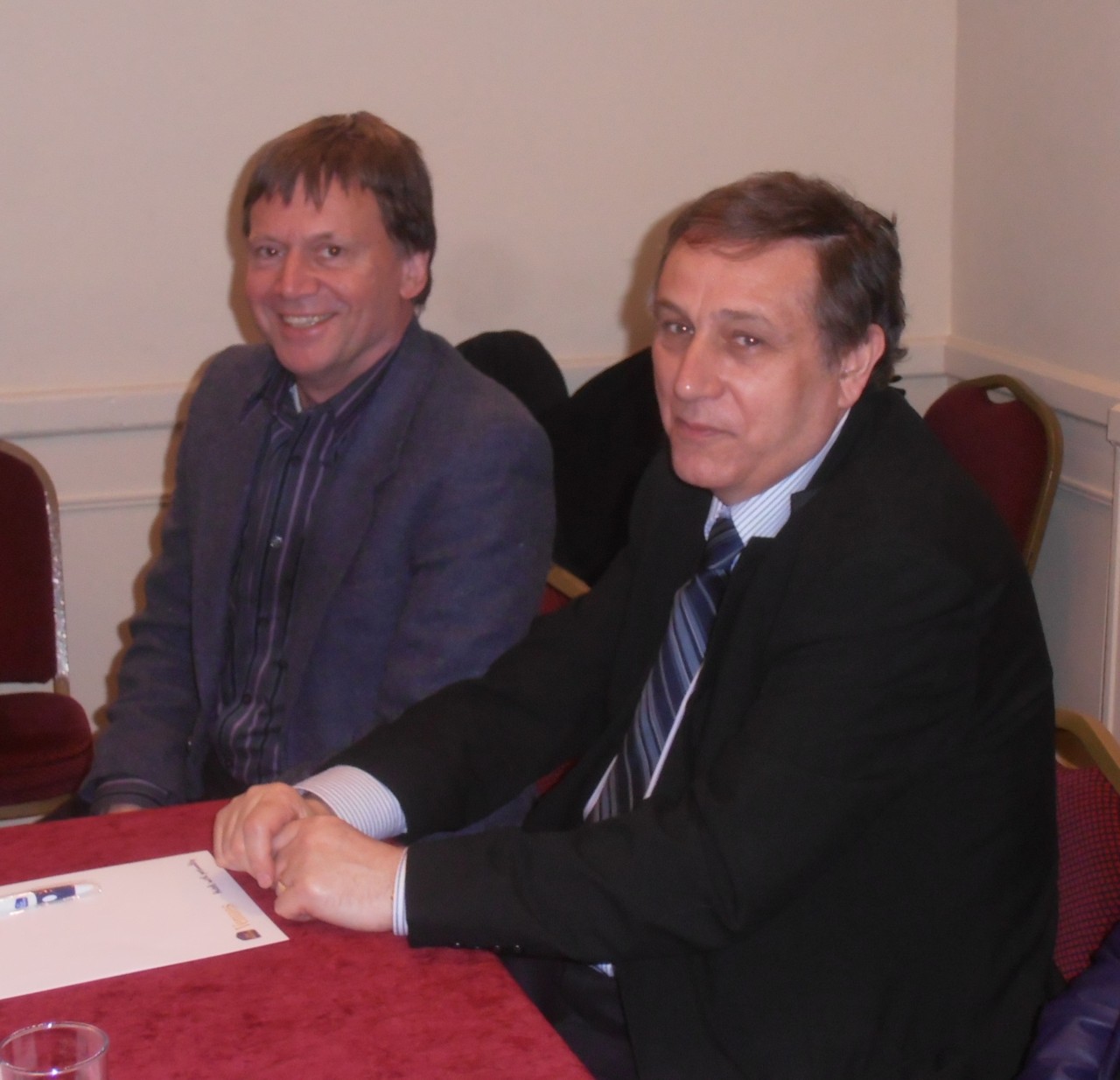
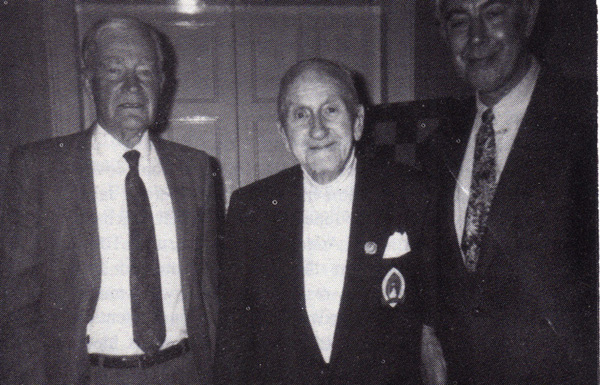
Peter Griffiths (far left)
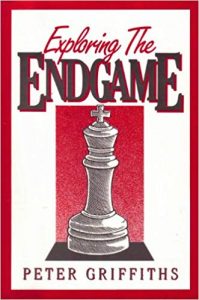
He wrote Exploring the Endgame
Exploring the Endgame
and
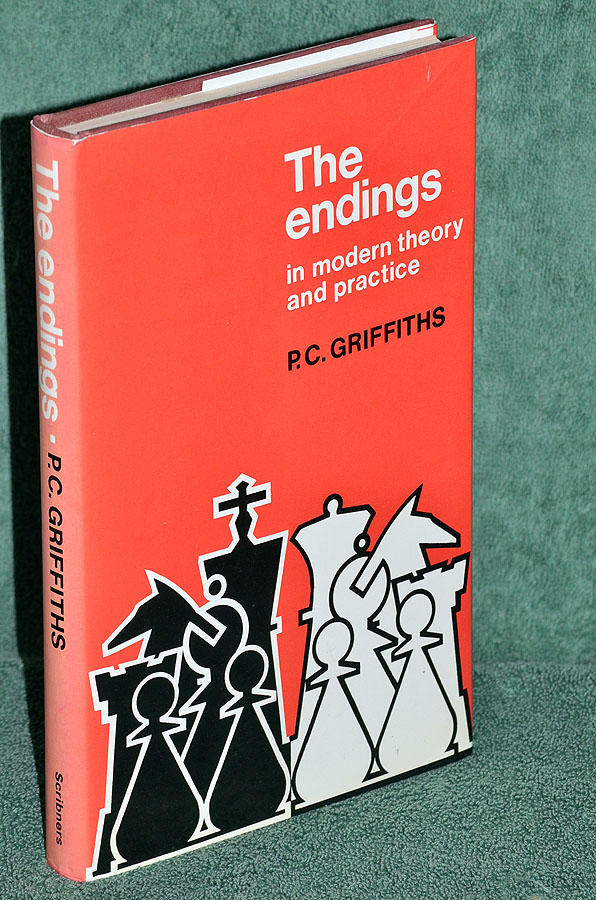
The Endings: In Modern Theory and Practice, PC Griffiths, G. Bell & Sons Ltd, 1976, ISBN 0 7135 1953 3
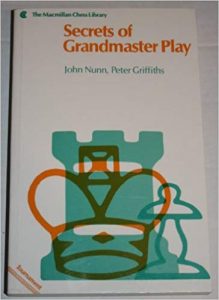
and co-authored Secrets of Grandmaster Play with John Nunn.
Secrets of Grandmaster Play
and wrote Improving Your Chess
Improving Your Chess
and Better Chess for Club Players
Better Chess for Club PlayersPeter Griffiths (far left)
BCN wishes Happy Birthday to FM Andrew Smith (15-viii-1959)
Andrew Philip Smith became a FIDE Master in 1994 and is registered with the Irish Chess Union.
His highest FIDE rating was 2310 in July 1994 at the age of 35.
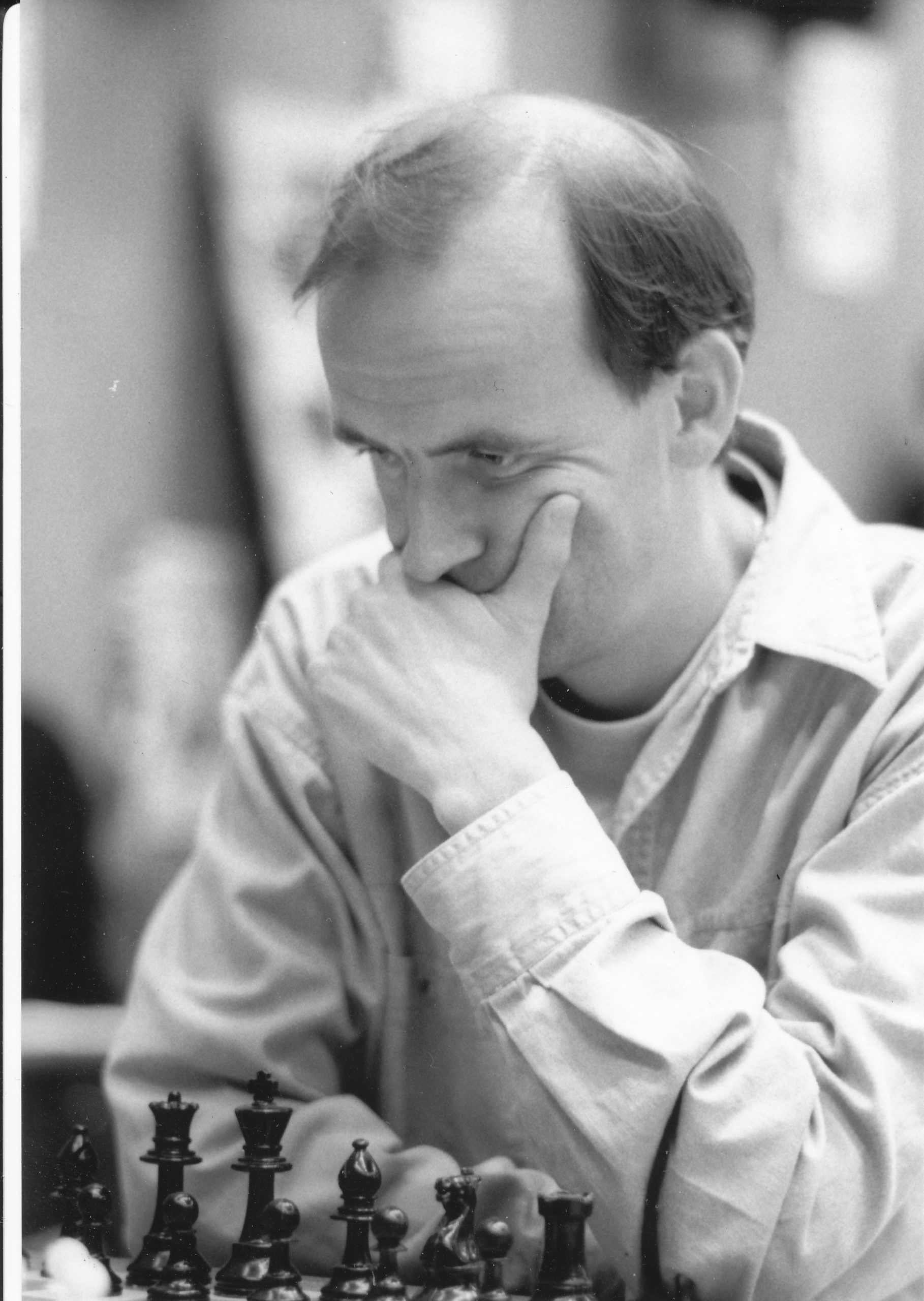
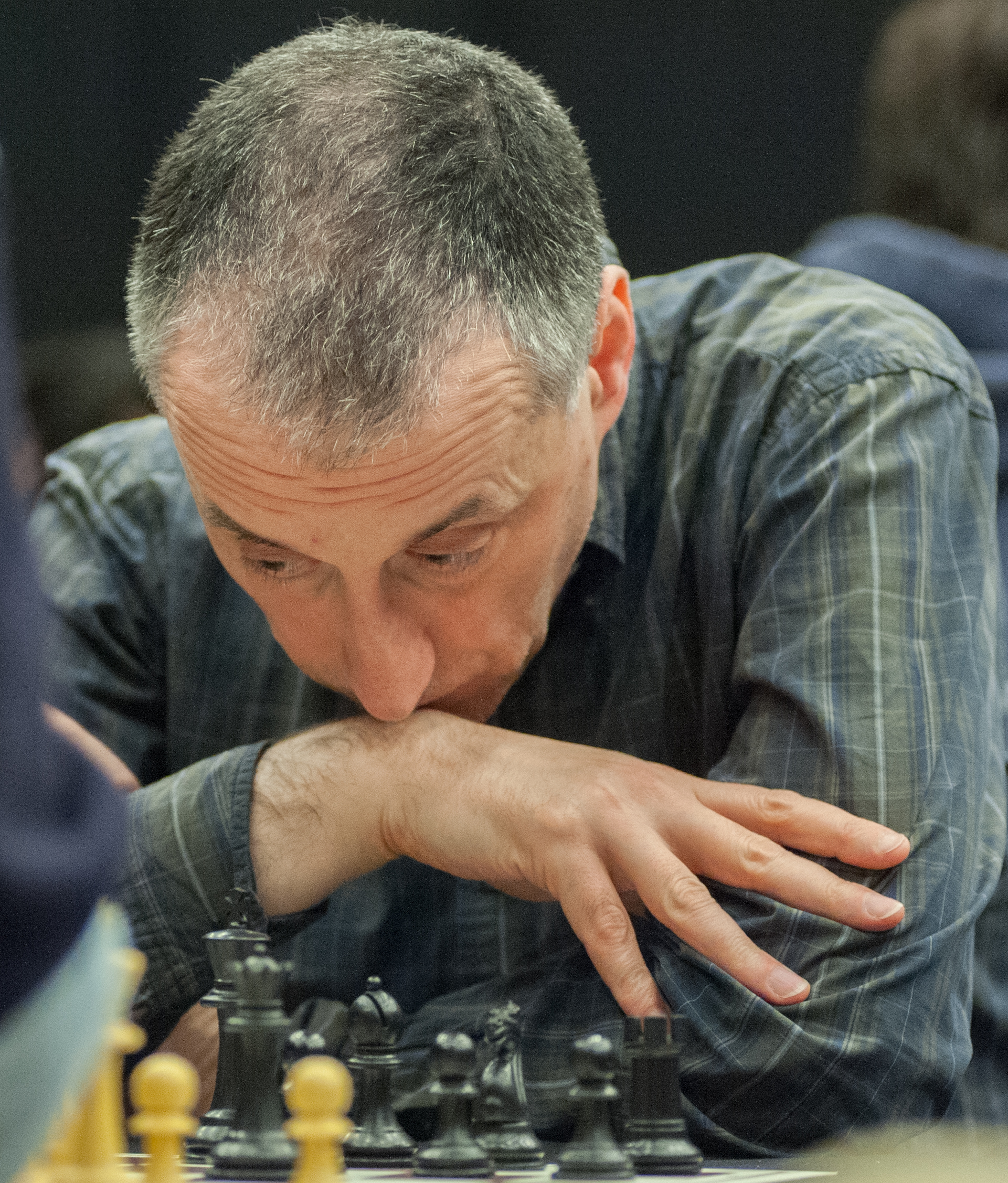
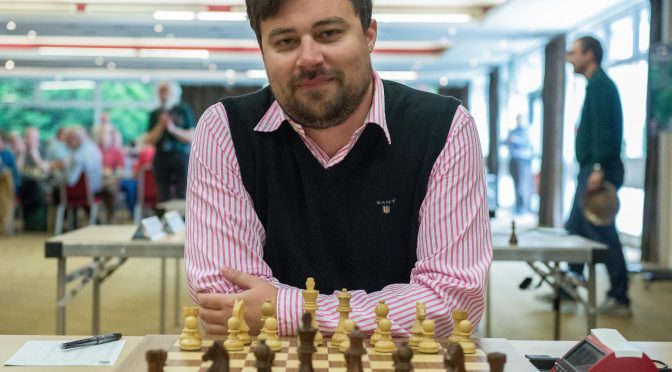
FM Andrew Smith, photographer unknown
He plays for Bourne End Chess Club in the Buckinghamshire League and in the Berkshire League.
Andrew also plays for 4NCL Barnet Knights (he has played for Atticus), Buckinghamshire CCA in the Chiltern League and Hon Members LCCL.
Andrew started his chess aged 6 when his Mother taught him and he joined Lewisham Chess Club aged 13 and then Slough Chess Club (Thames Valley League and 4NCL) in 1988.
He has won the Berks & Bucks Congress in 2018 and 2016 (joint) and he became Berkshire Individual Champion as a direct consequence winning the Cadogan Cup.
With the white pieces Andrew is (almost) exclusively a 1.e4 player favouring the Centre Game
and as the second player Andrew plays the Philidor Defence and the Benoni.
He is known to favour “enterprising” variations such as the Mason Variation of the Philidor, the Haldane Attack versus the French and other such exotica.
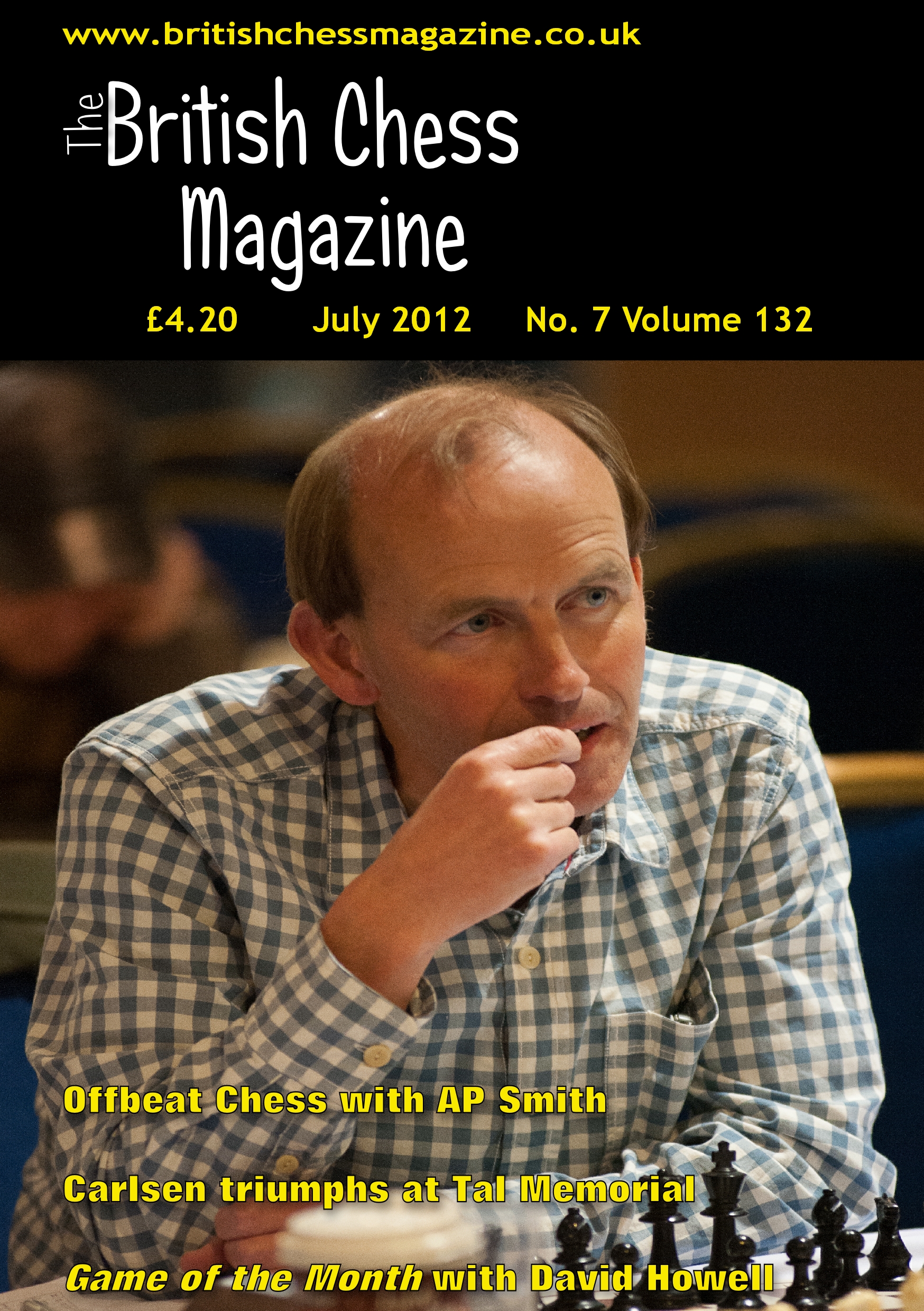
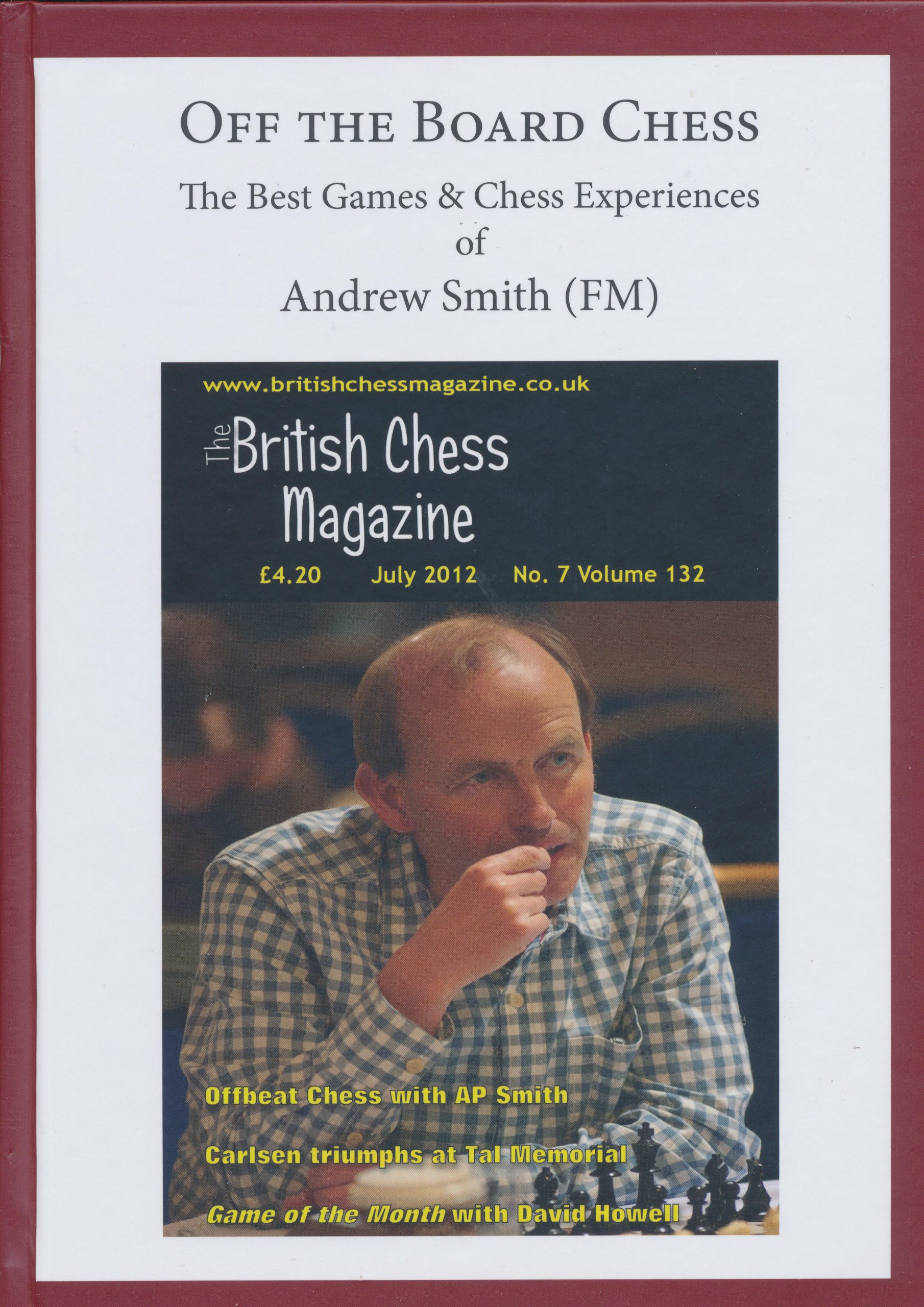
British Chess Magazine, Volume CXXXII (132), Number 7 (July) front cover features FM Andrew Smith from the final 4NCL weekend of the 2011-2012 season, courtesy of John Upham Photography
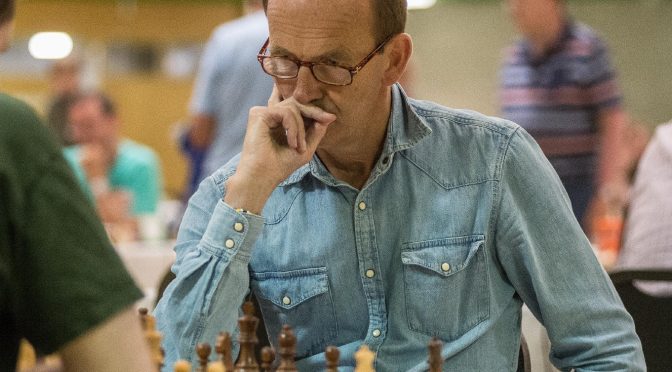
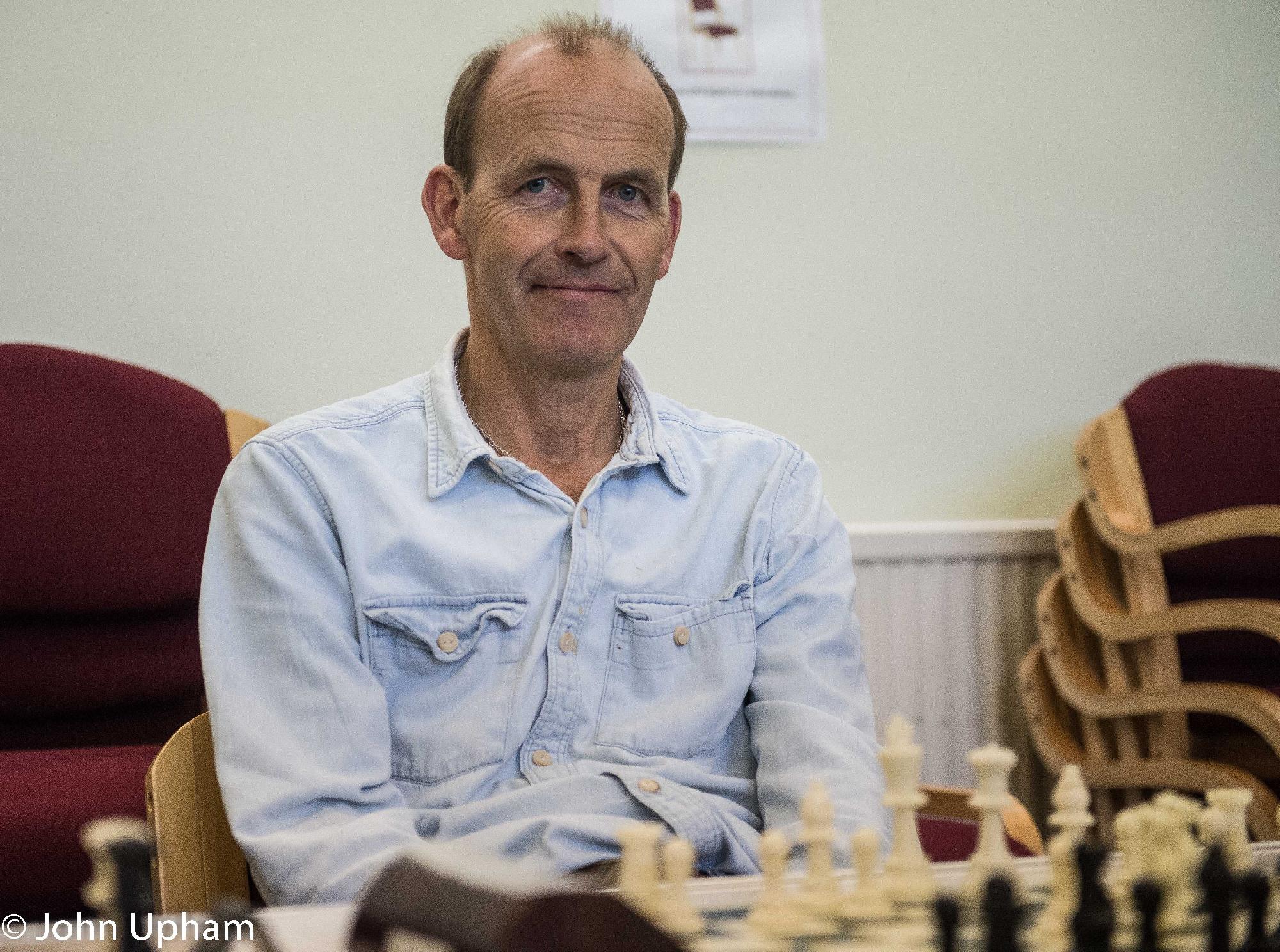
FM Andrew Smith at the 2019 Keith Richardson Memorial, courtesy of John Upham Photography
In 2021 Andrew self-published “Off the Board Chess, The Best Games and Chess Experiences of Andrew Smith (FM)” which has received popular acclaim.
Off the Board Chess, The Best Games and Chess Experiences of Andrew Smith (FM), FM Andrew Smith, Self published, 2021, ISBN 978-1-5272-8572-9
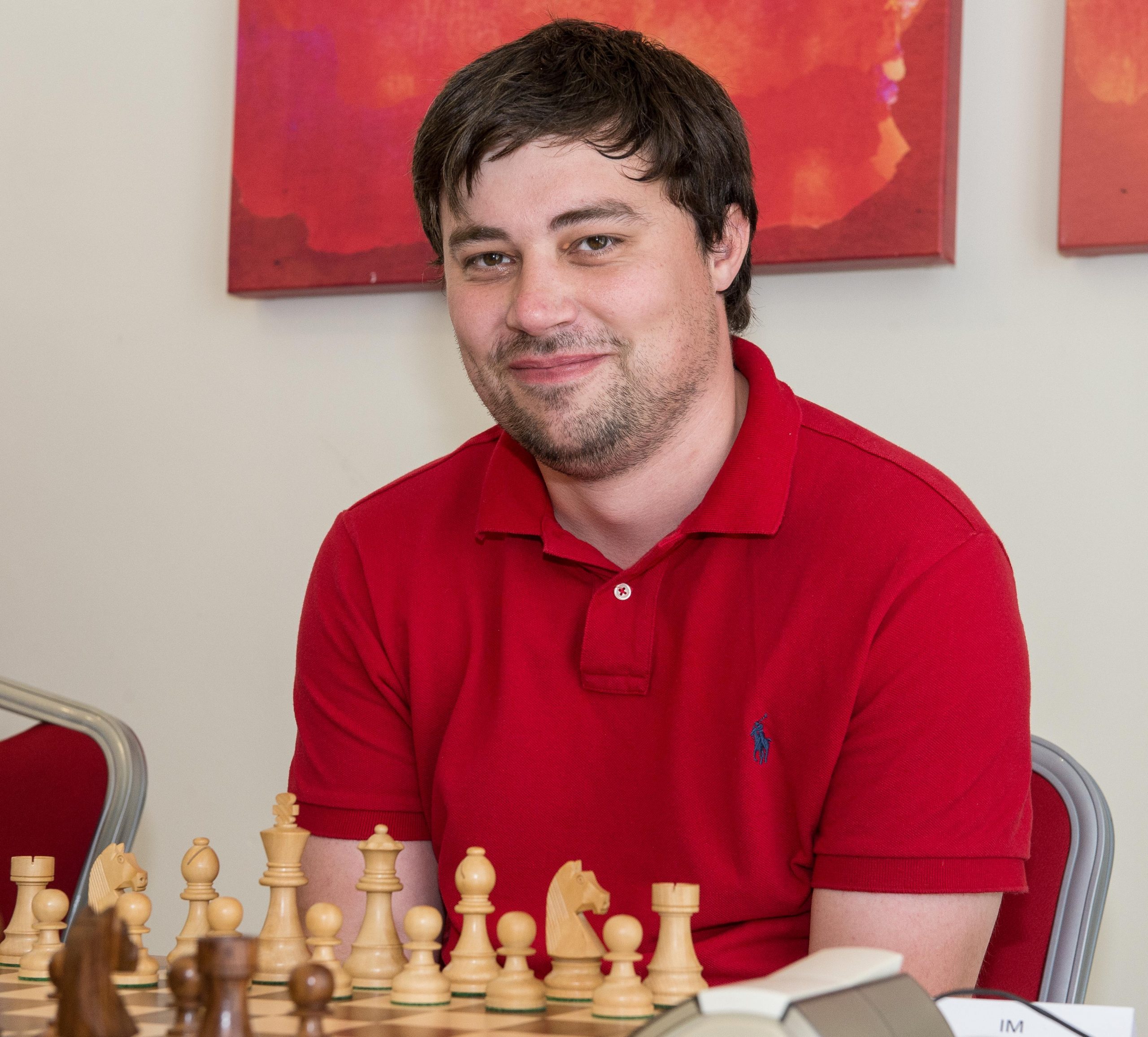
BCN sends IM Malcolm Pein best wishes on his 61st birthday.
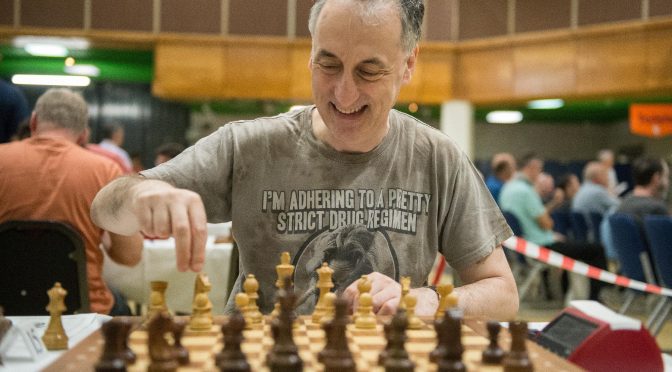
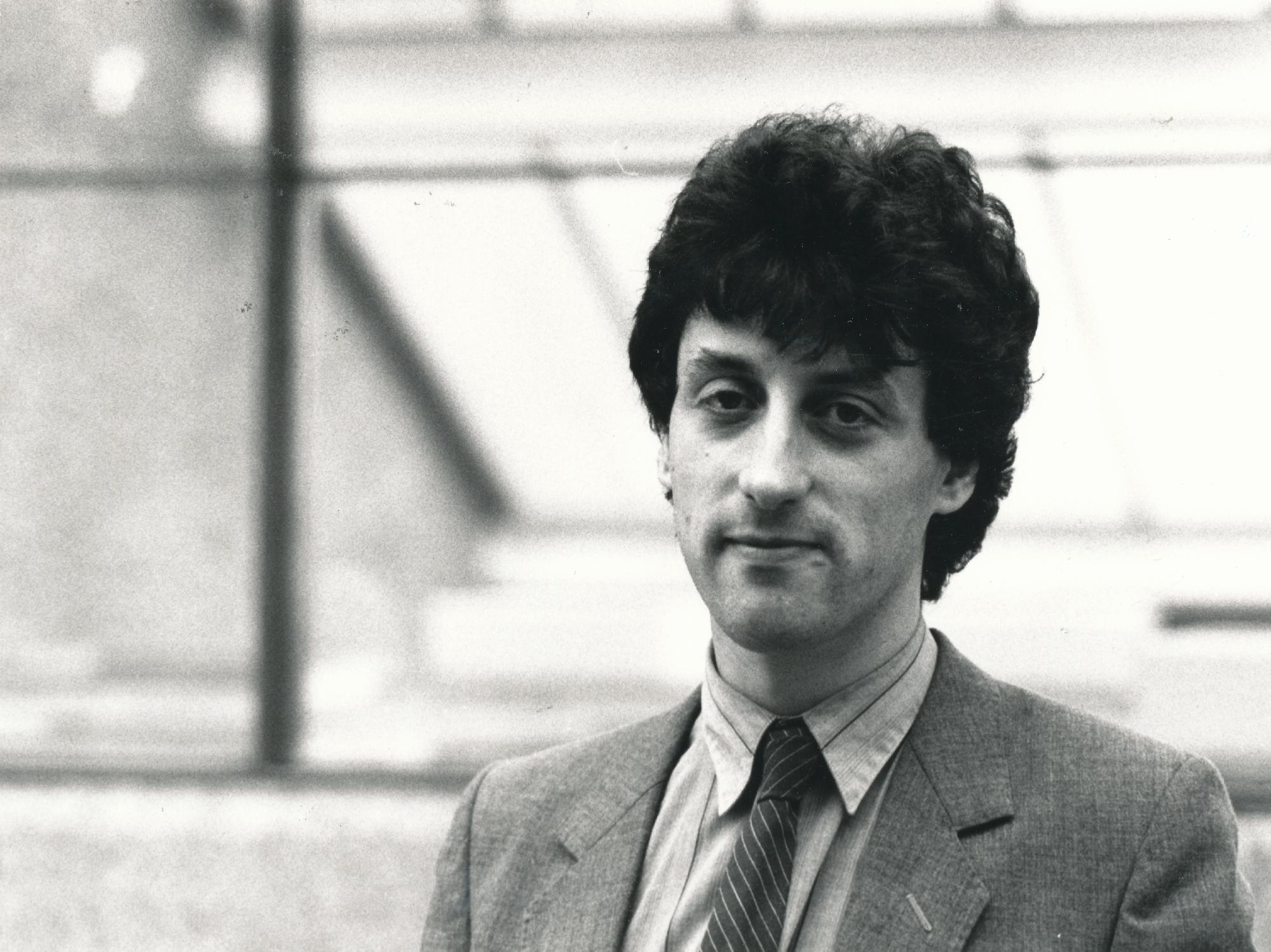
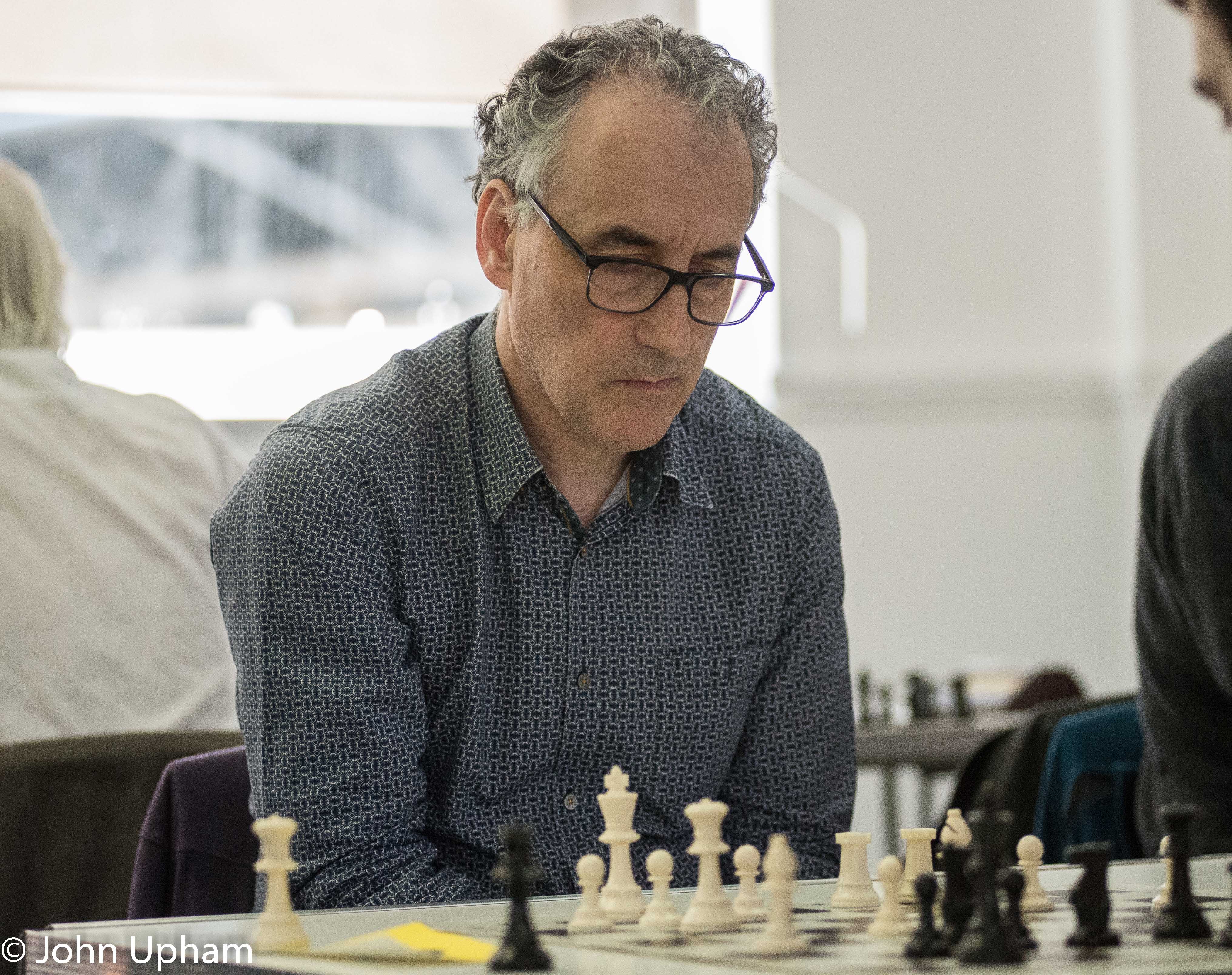
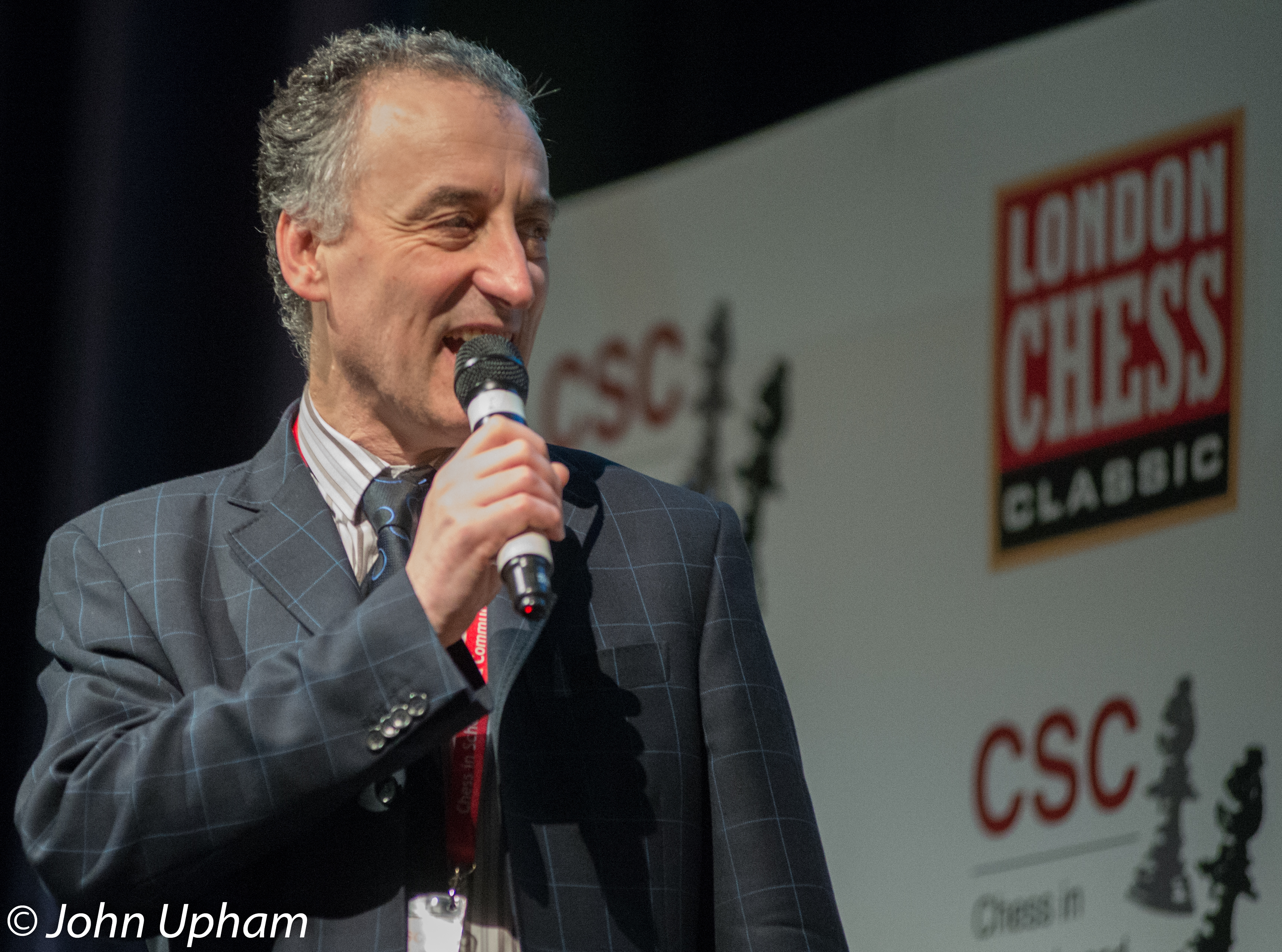
IM Malcolm Pein at the King’s Place Rapidplay 2013, photograph courtesy of John Upham
Malcolm Bernard Pein was born in Liverpool (South). South Lancashire and his mother’s maiden name is Max. (Gaige, Felice and chessgames.com all incorrectly have Malcolm L. Pein).
Malcolm Pein
This was written about Malcolm aged 19 just prior to the 1979 Spassky vs the BCF Junior Squad simultaneous display :
” London University and Liverpool, Rating 199. British under-18 co-champion, 1977. Currently No.1 player for London University.”
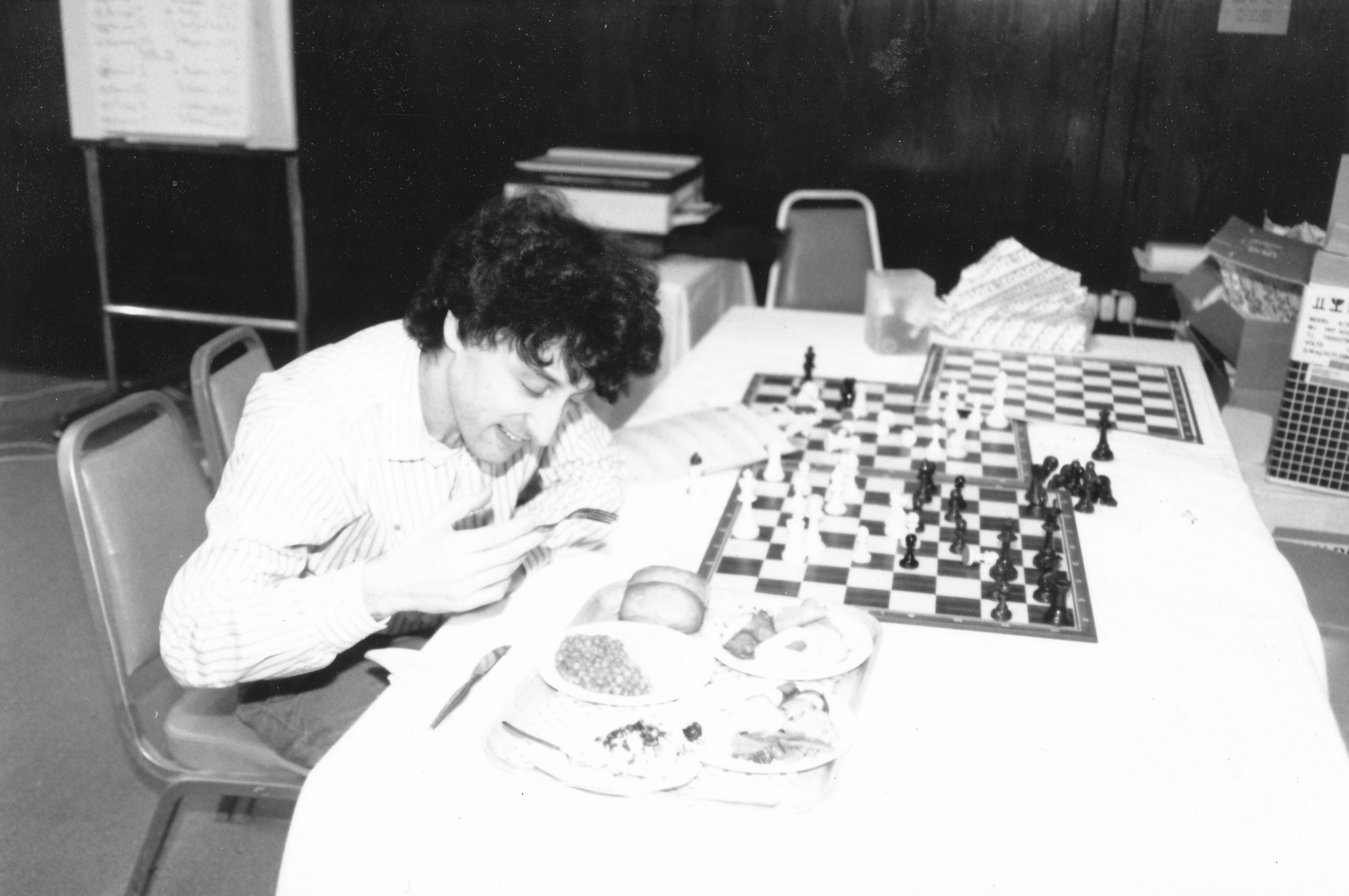
Malcolm hard at work
Malcolm studied Chemical Engineering at University College, London entering in September 1978. He won The University of London championship in February 1979. The runner-up was John Upham also from UCL.
He became an International Master in 1986 and is a FIDE Delegate (for England) and an International Director.
Malcolm’s peak rating was 2450 in January 1992 at the age of 32.
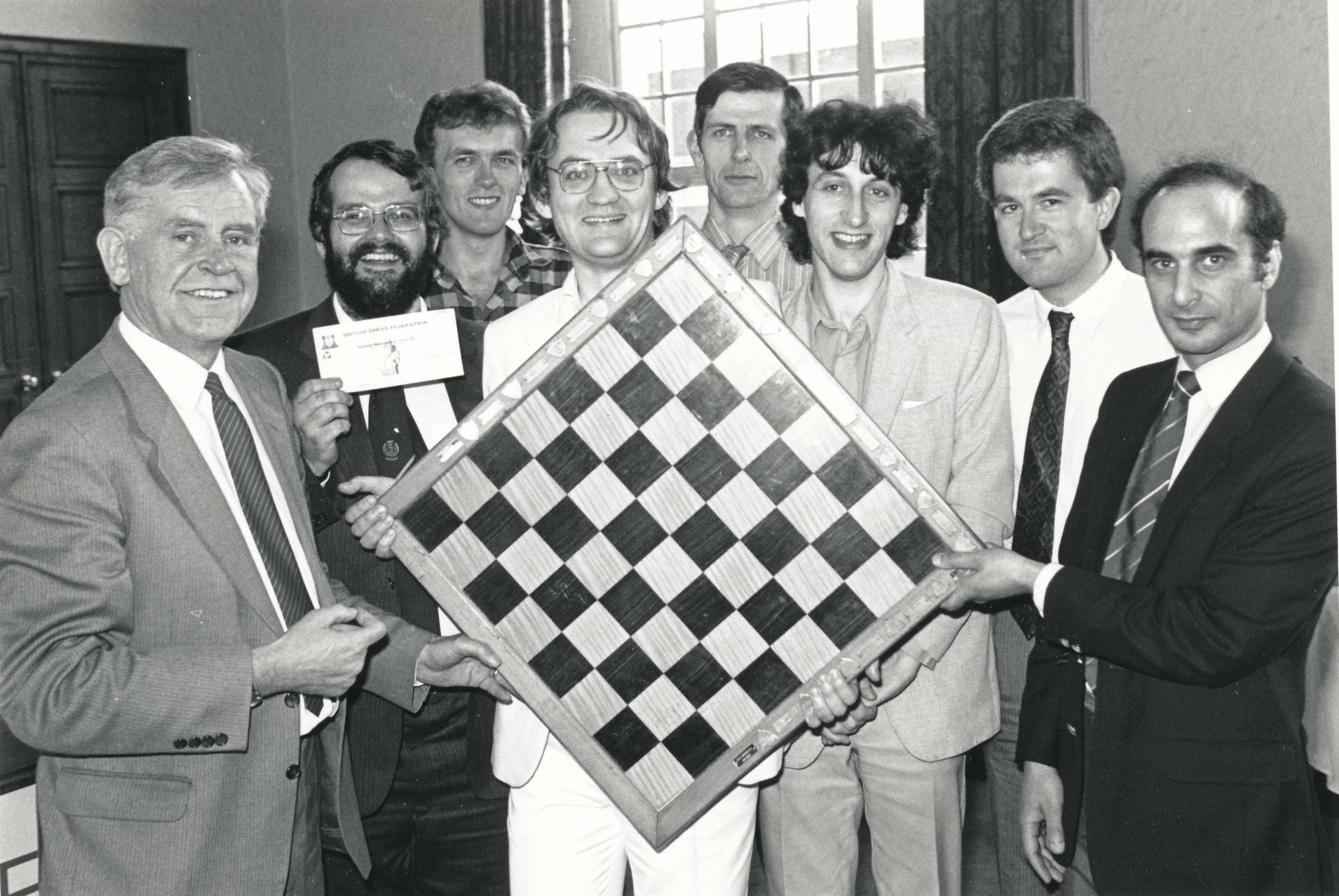
Malcolm Pein (third from right) and a victorious Wood Green team. Trophy presented by Magnus Magnusson
With the white pieces Malcolm prefers the Queen’s Gambit almost exclusively with 1.e4 rarely seeing the light of day scoring 62%
As the second player, Malcolm champions the Pirc, Modern and Grunfeld defences scoring 49% which MegaBase 2020 claims is “above average”.
Malcolm plays for 4NCL Wood Green and Liverpool.
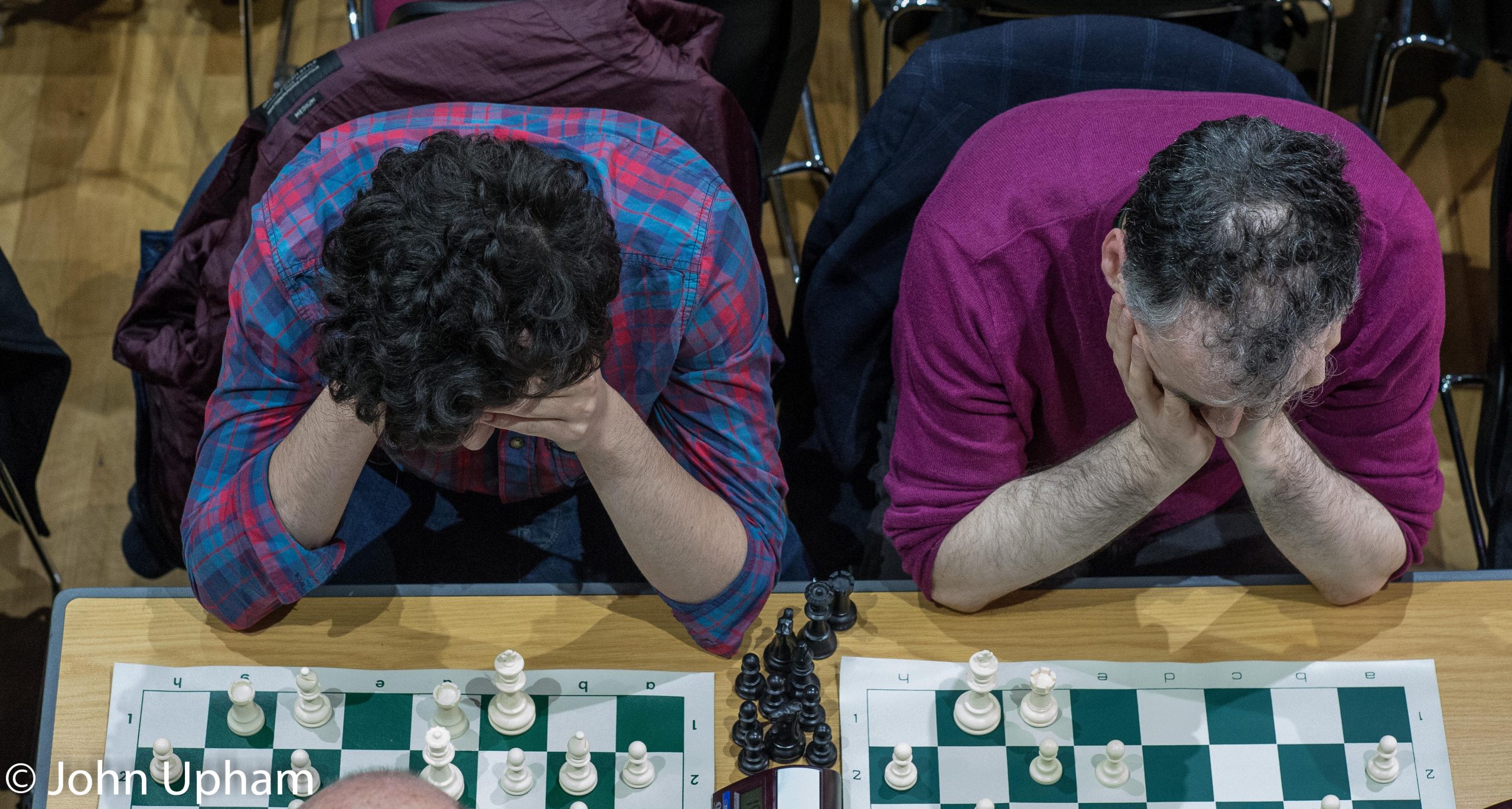
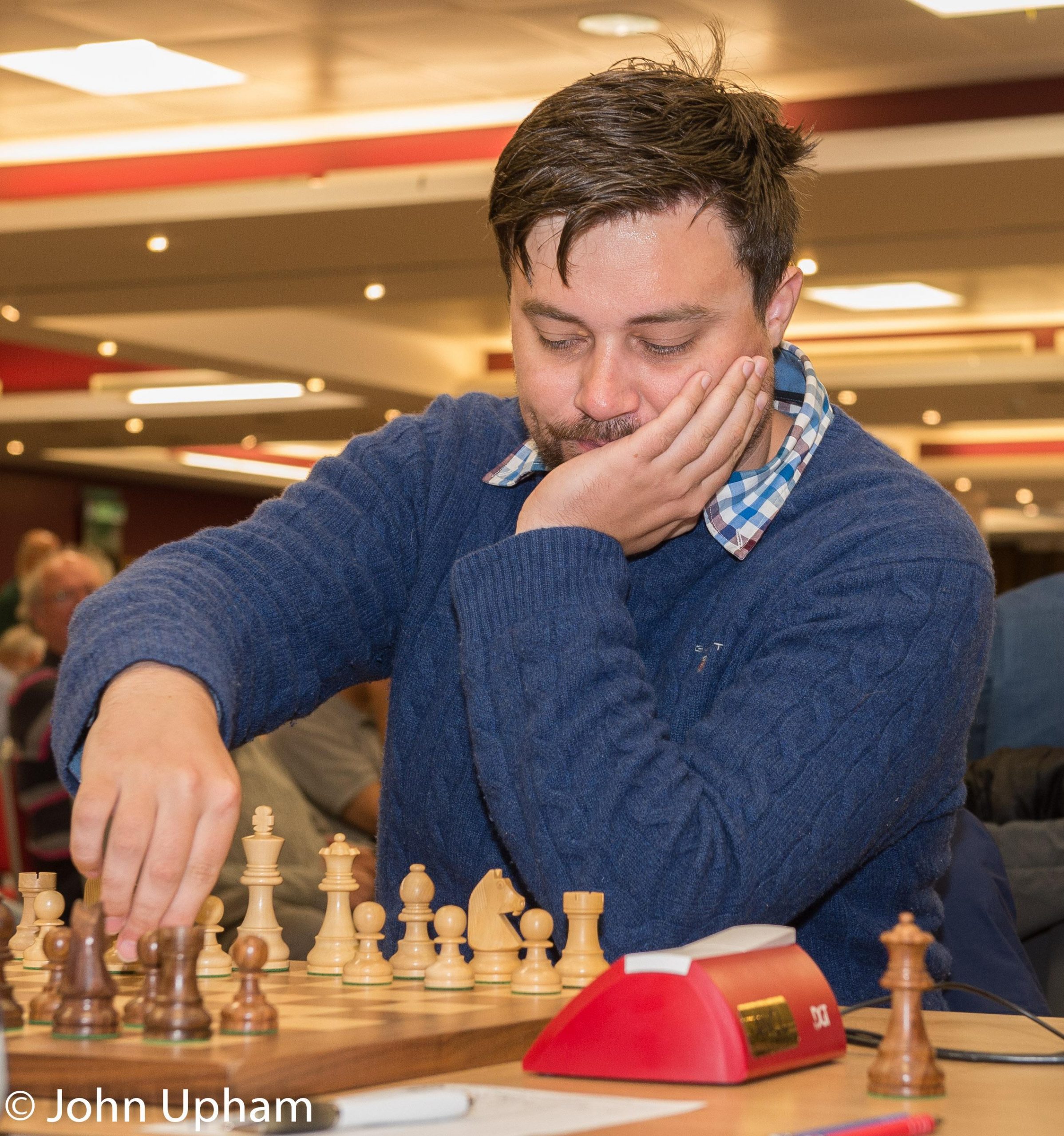
IM Malcolm Pein at the Bristol heat of the British Blitz Qualification event in 2019
In addition to his newspaper column and magazine editorial, Malcolm has written a number of chess books and booklets, including :
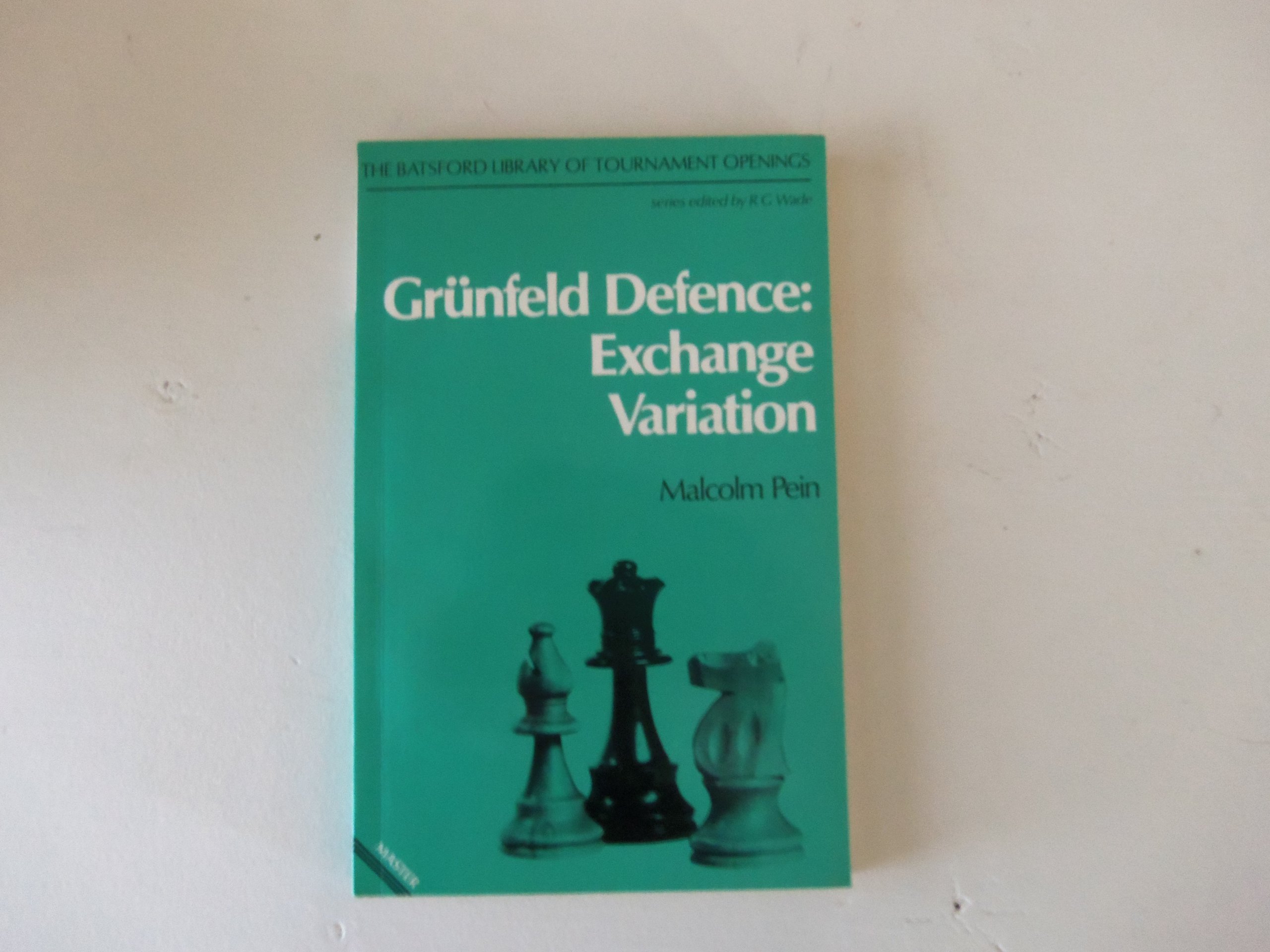
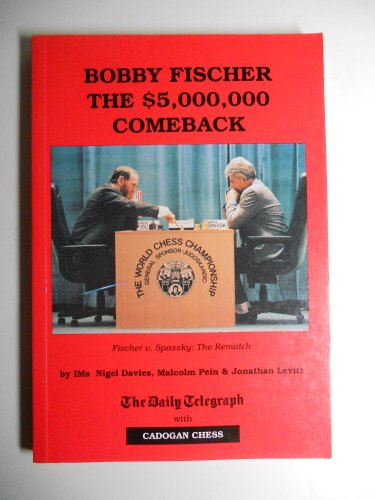
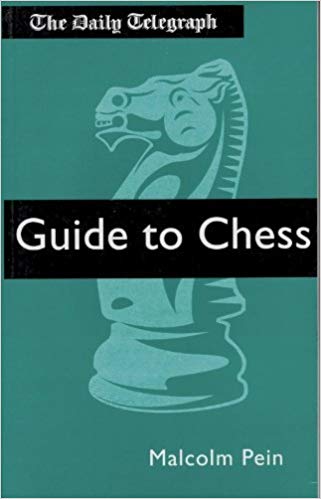
Grunfeld Defence (Batsford, 1981) – ISBN 978-0713435948Blumenfeld Defence [with Jan Przewoznik] (Everyman, 1991) – ISBN 978-0080371337Bobby Fischer: The $5,000,000 Comeback, Nigel Davies, Malcolm Pein & Jonathan Levitt, Cadogan Chess, 1992, ISBN 10: 1857440420Daily Telegraph Guide to Chess (Batsford, 1995) – ISBN 978-0713478143
The Exchange Grunfeld [with Adrian Mikhalchishin] (Everyman, 1996) – ISBN 978-1857440560]
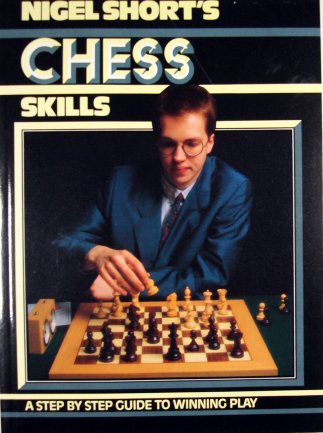
Nigel Short’s Chess Skills (1989)(was ghost written by Malcolm)
“Malcolm Pein’s contribution to English Chess is well known. He is CEO of Chess in Schools and Communities, has been largely involved in the organisation of the London Chess Classic and is currently the ECF’s Delegate to FIDE and International Director. On top of all that he is also an IM, writes the ‘Daily Telegraph’ Chess Column, and edits CHESS Magazine.”
IM Malcolm Pein at the London Chess Classic 2013, photograph courtesy of John Upham
Malcolm is also owner (and a director) of the London Chess Centre (a company incorporated on May 1st 1997) which has relocated to 44, Baker Street, former home of the British Chess Magazine retail premises. This was purchased from Stephen Lowe and Shaun Taulbut in 2010 when the leasehold on the Euston Road premises expired. Another director is Henry Gerald Mutkin who is the main organiser of the annual Varsity match.
Malcolm has a son, Jonathan who is a strong player and he resides in London, NW7.
In 2021 Malcolm stood as an alternative to Mike Truran in the contested election for CEO. On October 9th 2021 following “detailed and amicable discussions” with Mike a away forward was agreed and Malcolm agreed to remain as International Director of the ECF and Mike remained as CEO.
BCN wishes Happy Birthday to IM Michael A Rahal (10-viii-1970)Michael Anthony Rahal was born in Aldershot, Hampshire to Spanish parents. His mother’s maiden name is Vives Escoda. Michael attended Salesian College in Farnborough.
Previously the strongest player from Aldershot may have been Michael Antony Pagden.
He became a FIDE Master in 1994 and an International Master in 1999. His peak FIDE rating was 2431 in January 2005. He is a Spanish resident.
Here is his YouTube Channel His handle on the Internet Chess Club is “mikerahal” .With the white pieces Michael prefers the Spanish(!) Opening With the black pieces Michael plays the French Winawer and the Classical Dutch.
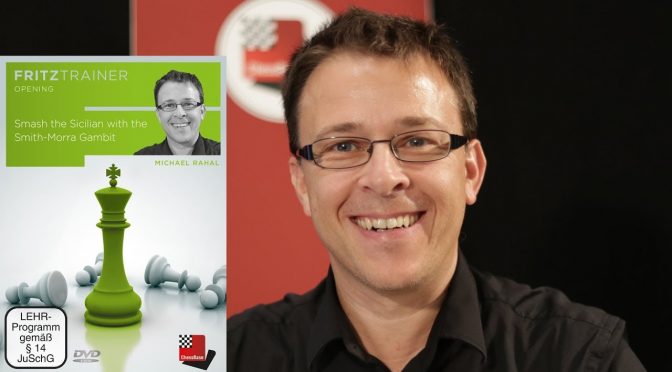
Smash the Sicilian with the Smith-Morra Gambit – Michael Rahal (PC-DVD)
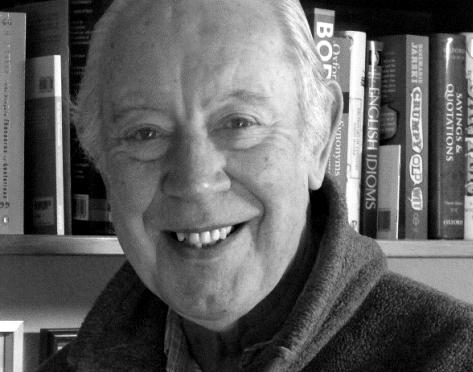
We remember FM Jimmy Adams who passed away on Saturday, June 6th 2026 in London. His funeral was in Hoddesdon, Hertfordshire on 20th July. Here is the online tribute page that you are welcome to contribute to.
Jimmy was married to Sharon and they have a daughter, Charlotte.
In 1958 Jimmy at the age of 11 joined his local Islington Chess Club (at the time Islington & North London Chess Club) and soon afterwards became a London Junior Champion. Following this Jimmy played little chess and was working for John Lewis (echoes of CHO’D Alexander and Leonard Barden). Following John Lewis Jimmy worked as a Health and Safety Officer for Islington Council.
At this time Islington Chess Club was one of the strongest in England and included such members as Kenny Harman, Ron Harman, Danny Wright, Stewart Reuben and others. Its most famous member was probably IM Simon Webb
The Spassky-Fischer match of 1972 re-kindled his lapsed interest and he won with a 100% score the London Amateur Championship.
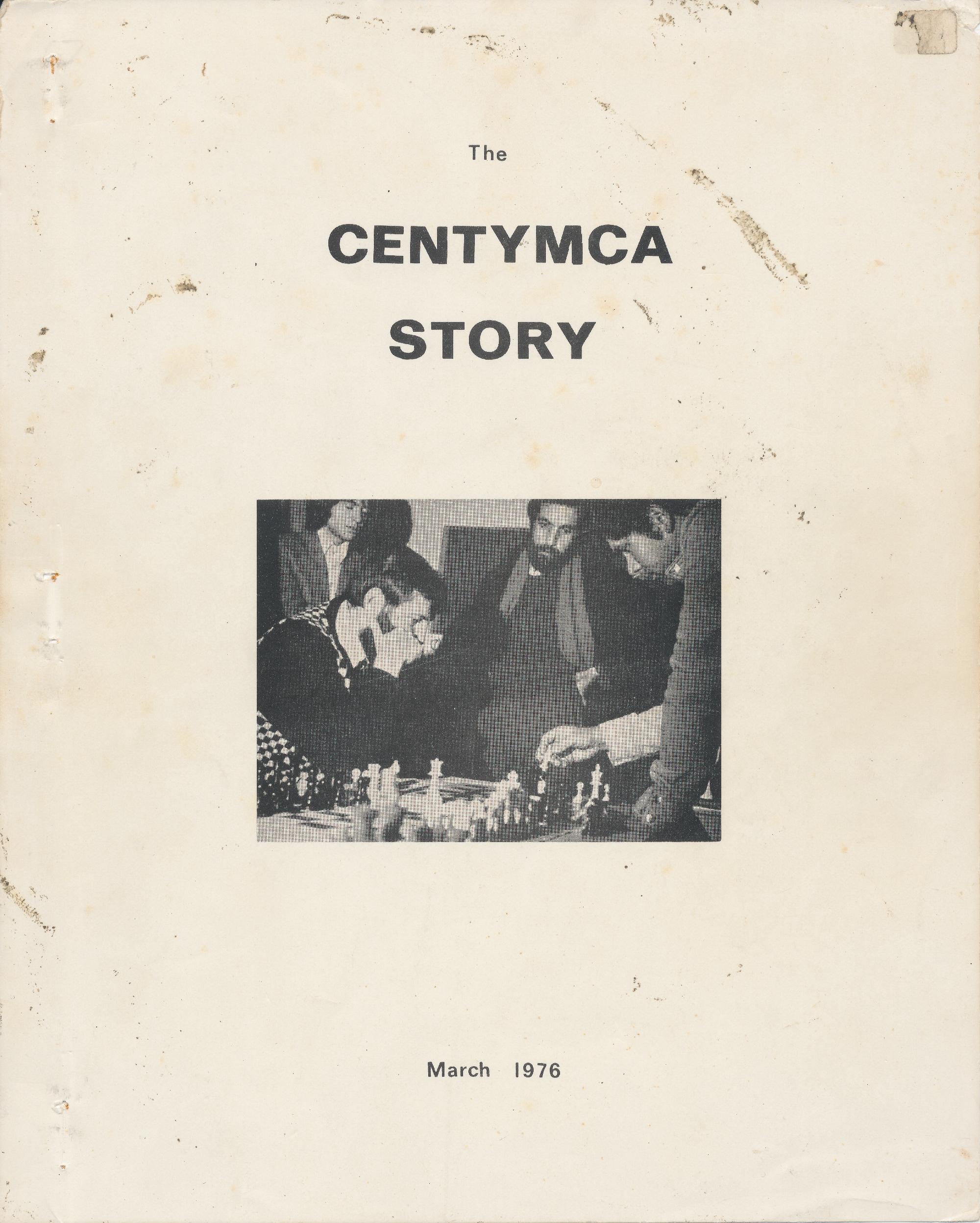
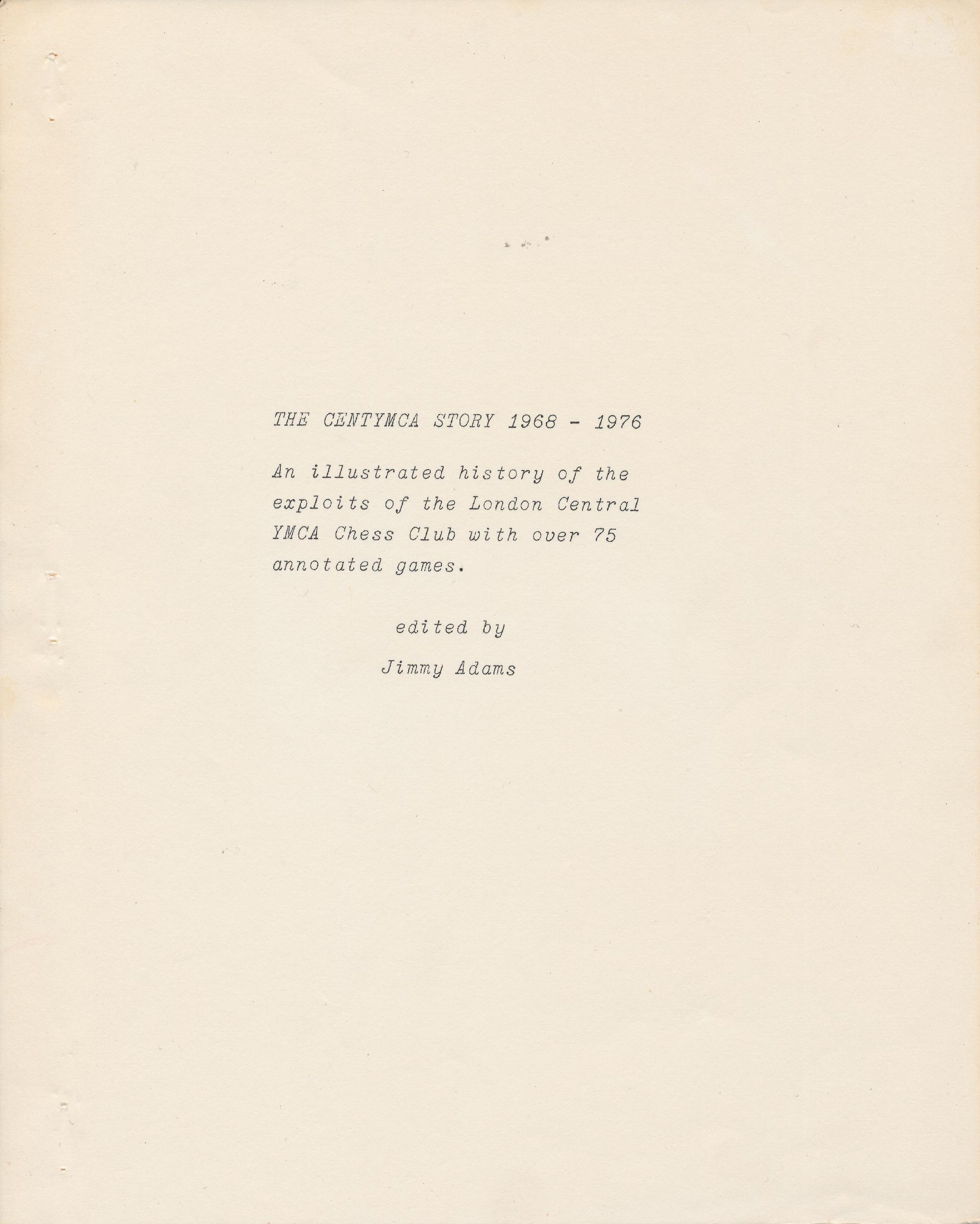
He joined and was a staunch member of London Central YMCA (CENTYMCA) chess club and he wrote a privately published history of the club entitled The CENTYMCA Story. This is now a much sought after publication. His membership continued during the 1970s until around 1979.
The CentYMCA Story by Jimmy Adams, 1976The CentYMCA Story by Jimmy Adams, 1976
During this period Jimmy was extremely active at the Endell Street premises.
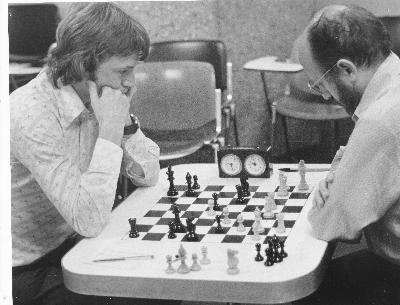
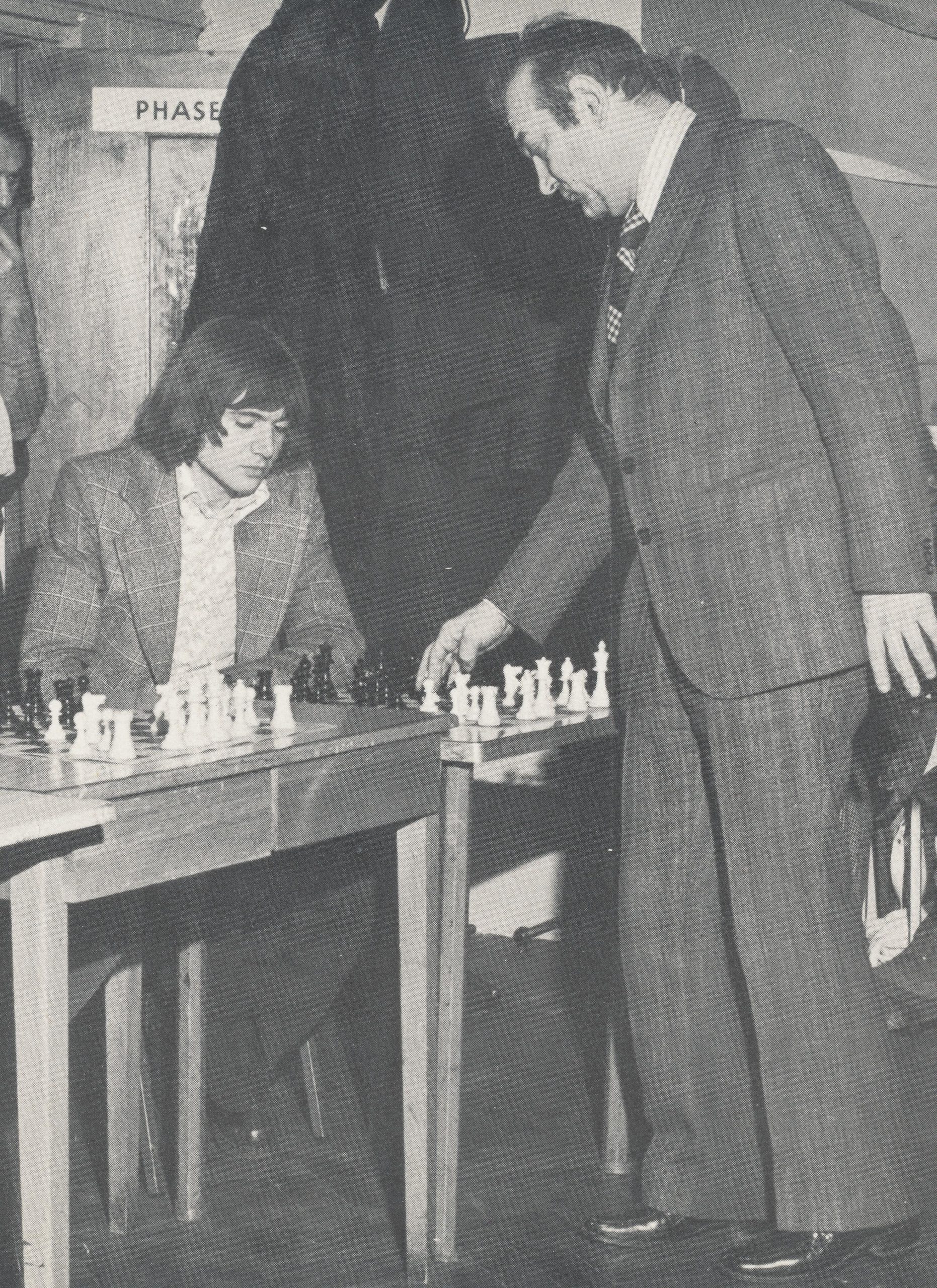
Here is Jimmy playing Viktor Korchnoi at Endell Street (in the Phase Two classrooms) :
Jimmy plays Viktor Korchnoi at the Endell Street premises of London Central YMCA on January 18th, 1976. Photographer potentially John Yeo
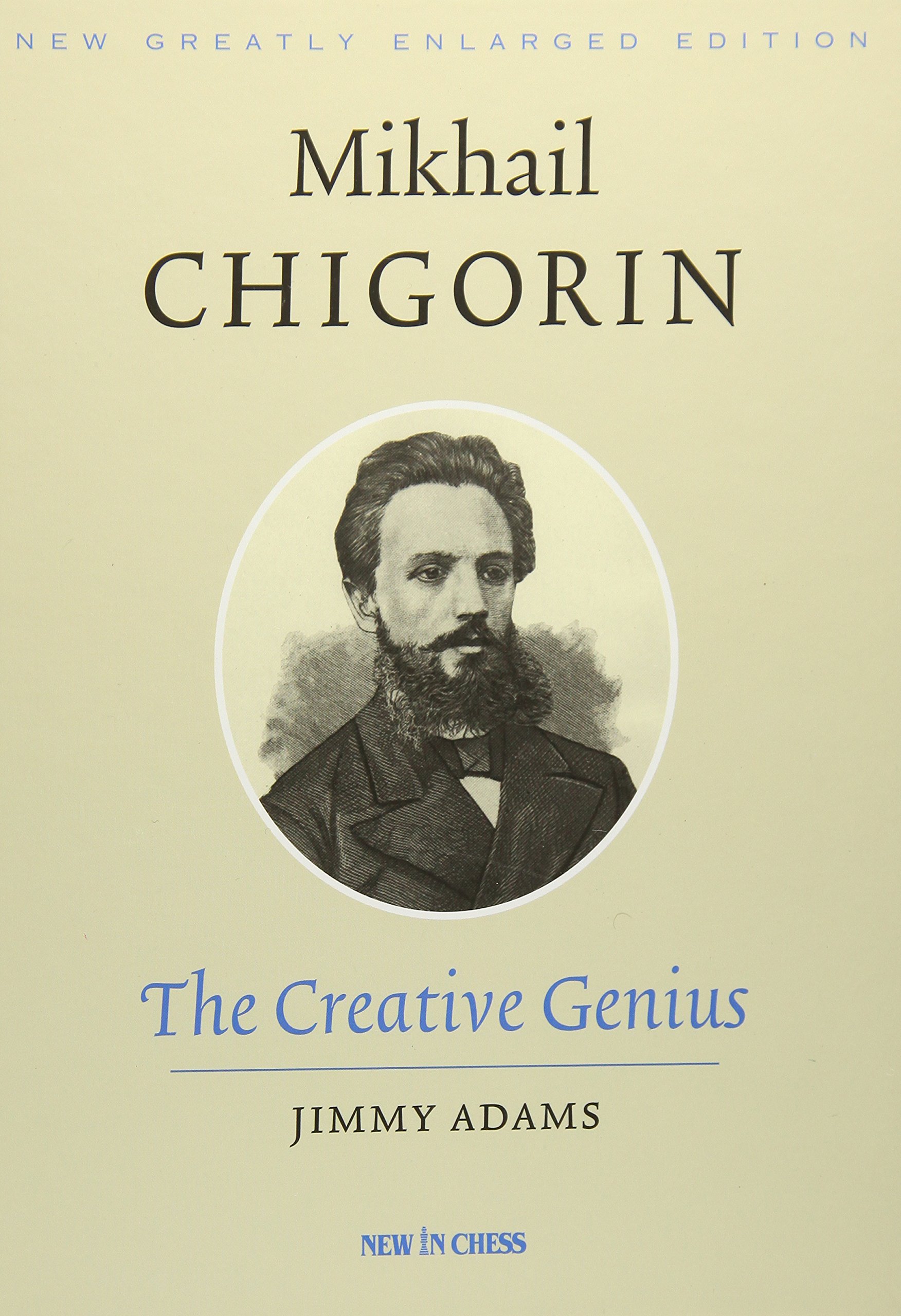
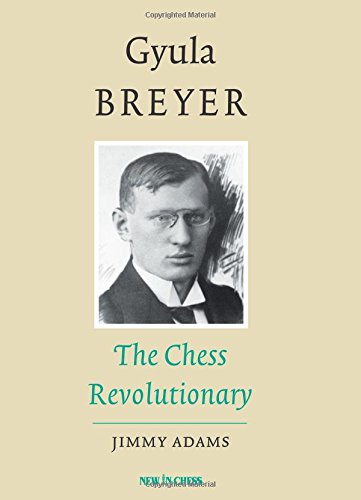
In 1974 Jimmy embarked on a highly successful career as a writer and journalist. He contributed articles to both CHESS and the British Chess Magazine and authored a number of acclaimed books for Batsford, The Chess Player, Caissa Books and latterly, New in Chess. He also self-published the first book on Bobby Fischer’s successor entitled K is for Karpov! His books on Chigorin, Zukertort and Breyer are universally regarded as some of the finest chess biographies published.
In 1979 Jimmy joined Metropolitan Chess Club to play in the London League A Division. He played top board and scored very highly with many significant scalps.
Jimmy gained his FM title in 2014 (at the age of 67!). 67 must be one of the most advanced ages to acquire an FM title. According to Felice his peak rating was 2300 in January 1981 aged 34.
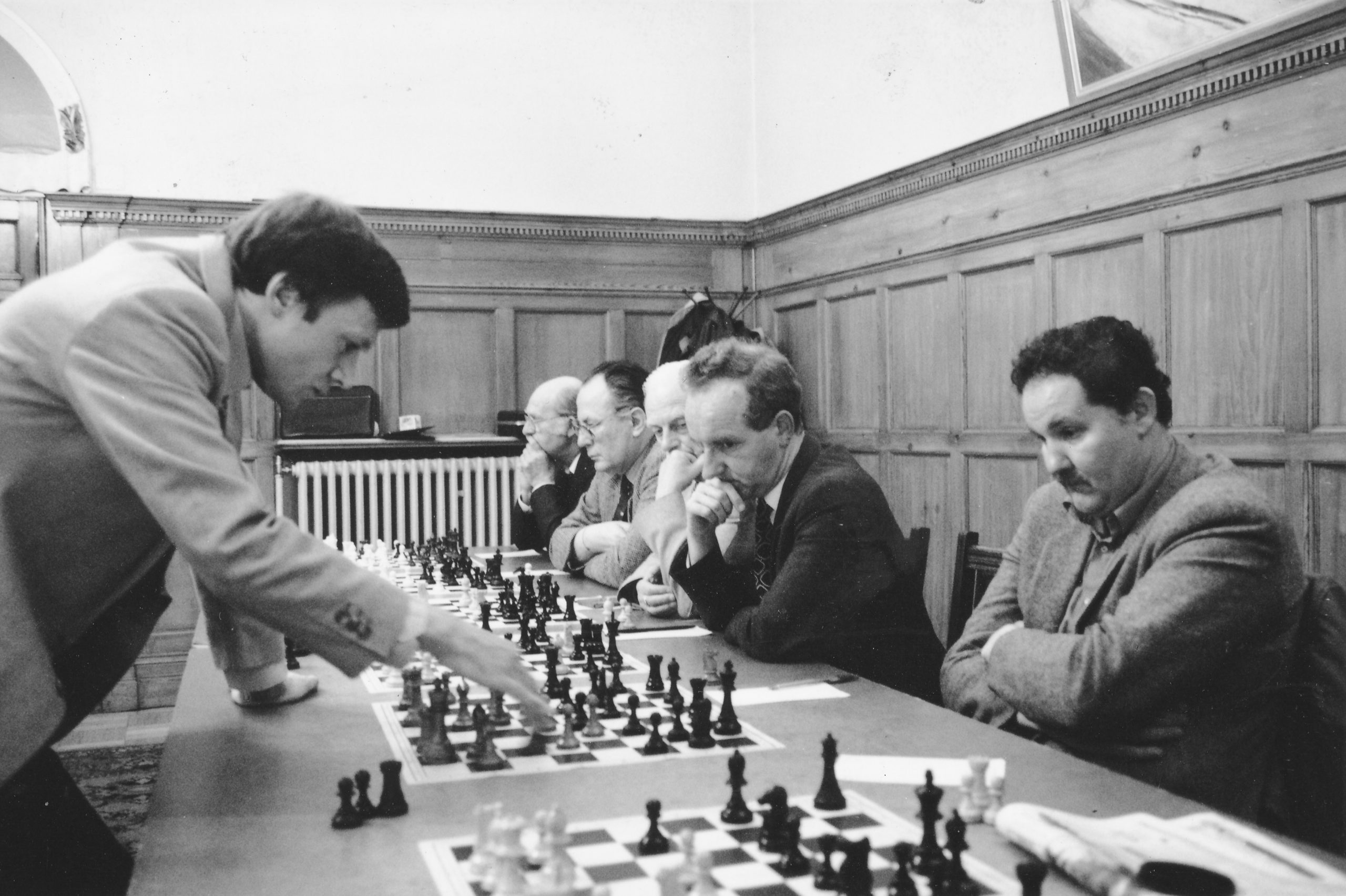
Jimmy giving a simultaneous display
He joined Metropolitan Chess Club. He joined Barbican, as did many other CENTYMCA players, following the hiatus over their Tottenham Court Road venue loss.
Jimmy records a game between David Howell and Andrew Whiteley in 2000.
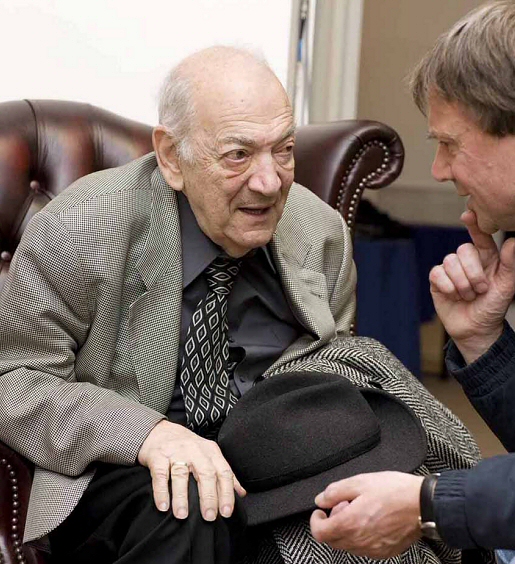
In December 2009 Jimmy visited the London Chess Classic and was photographed with VIP guest Viktor Korchnoi :
Viktor Korchnoi in conversation with Jimmy Adams at the 2009 London Chess Classic. Photograph by Mark Huba
Jimmy was Editor of Middlesex Chessletter and Bayswater Chess in the early 1970s and produced major bulletins on the hugely successful Islington Congresses of the same period. He then worked for Pergamon Chess Books which led to his editorship of CHESS / CHESS Monthly magazine from until 2010 although his name remained on the masthead until February 2012.
In 2012 Jimmy and Ray Cannon attended a meeting of the Ken Whyld Association in Norwich :
Jimmy Adams and Michael Negele at the 2012 meeting of the Ken Whyld AssociationJimmy and Ray Cannon at a 2012 meeting in Norwich of the Ken Whyld Association
In January 2016 Jimmy (together with Josip Asik) became co-editors of British Chess Magazine taking over from James Pratt and John Upham.
Jimmy also jointly edited Chess Informants 109-132 up to 2017 before taking on the role of Deputy Editor of the newly created American Chess Magazine whilst continuing to work as editor for Batsford Chess which had changed ownership over the years and had now been taken under the umbrella of Pavillion Books.
In 2014 Jimmy and Ray attended an event organised by the father of Emma Bentley
Jimmy Adams and Ray Cannon at an event organised by Emma Bentley’s father.
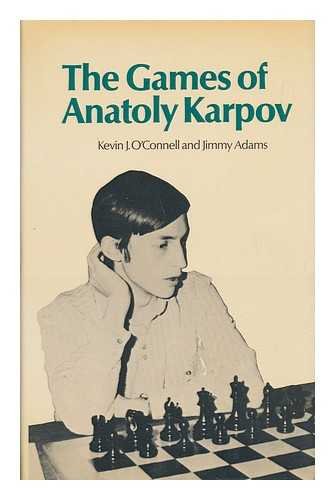
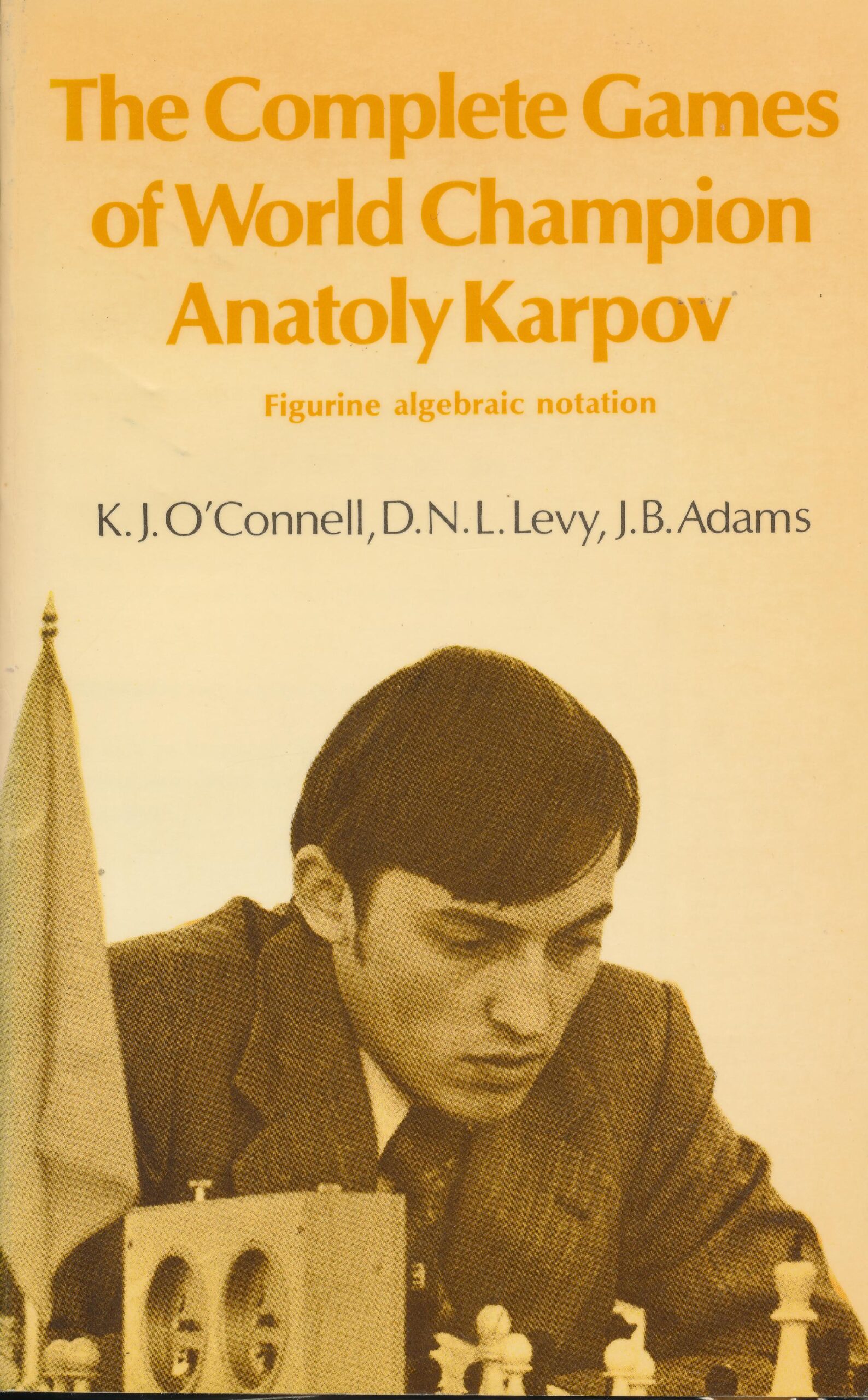
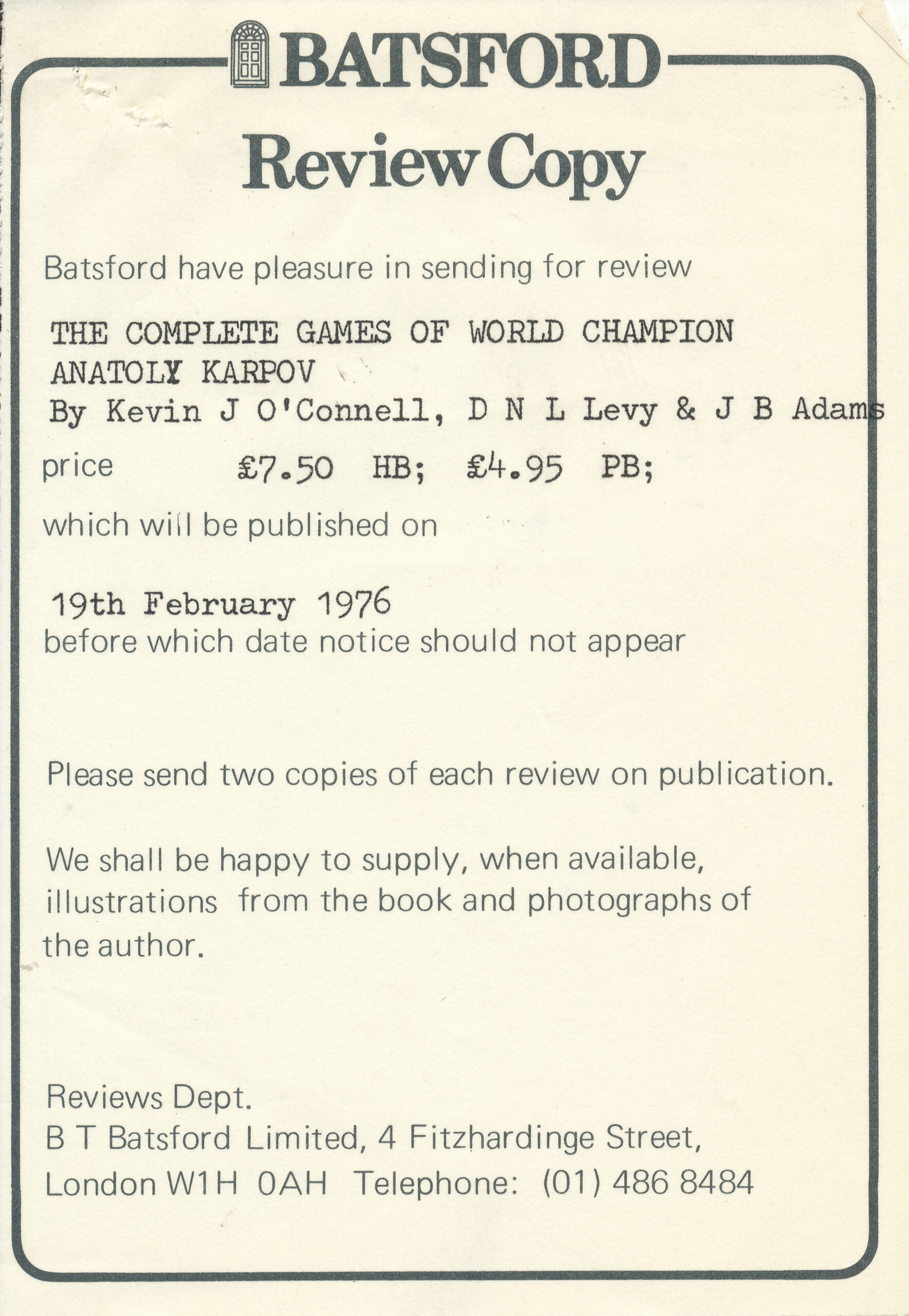
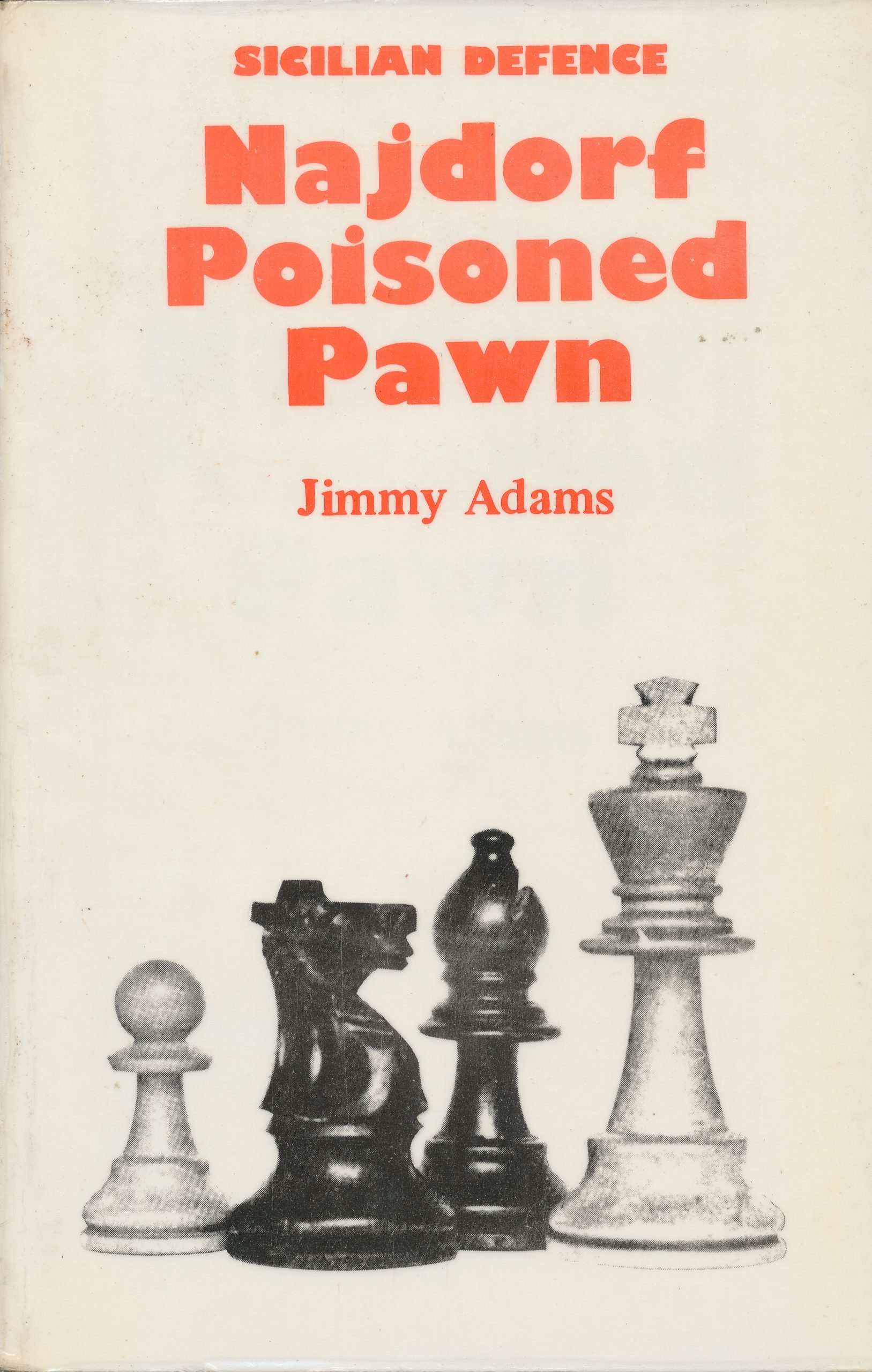
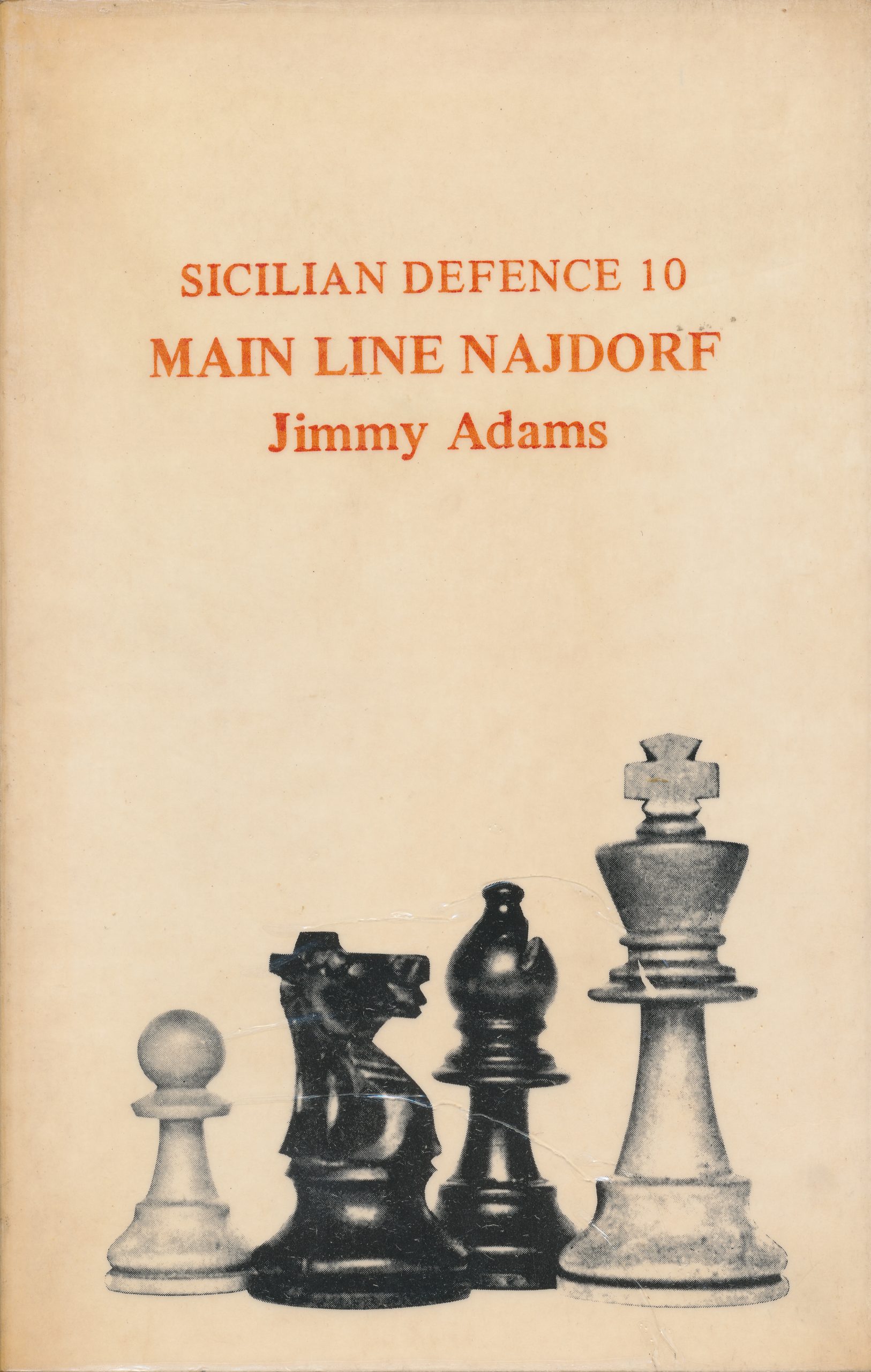
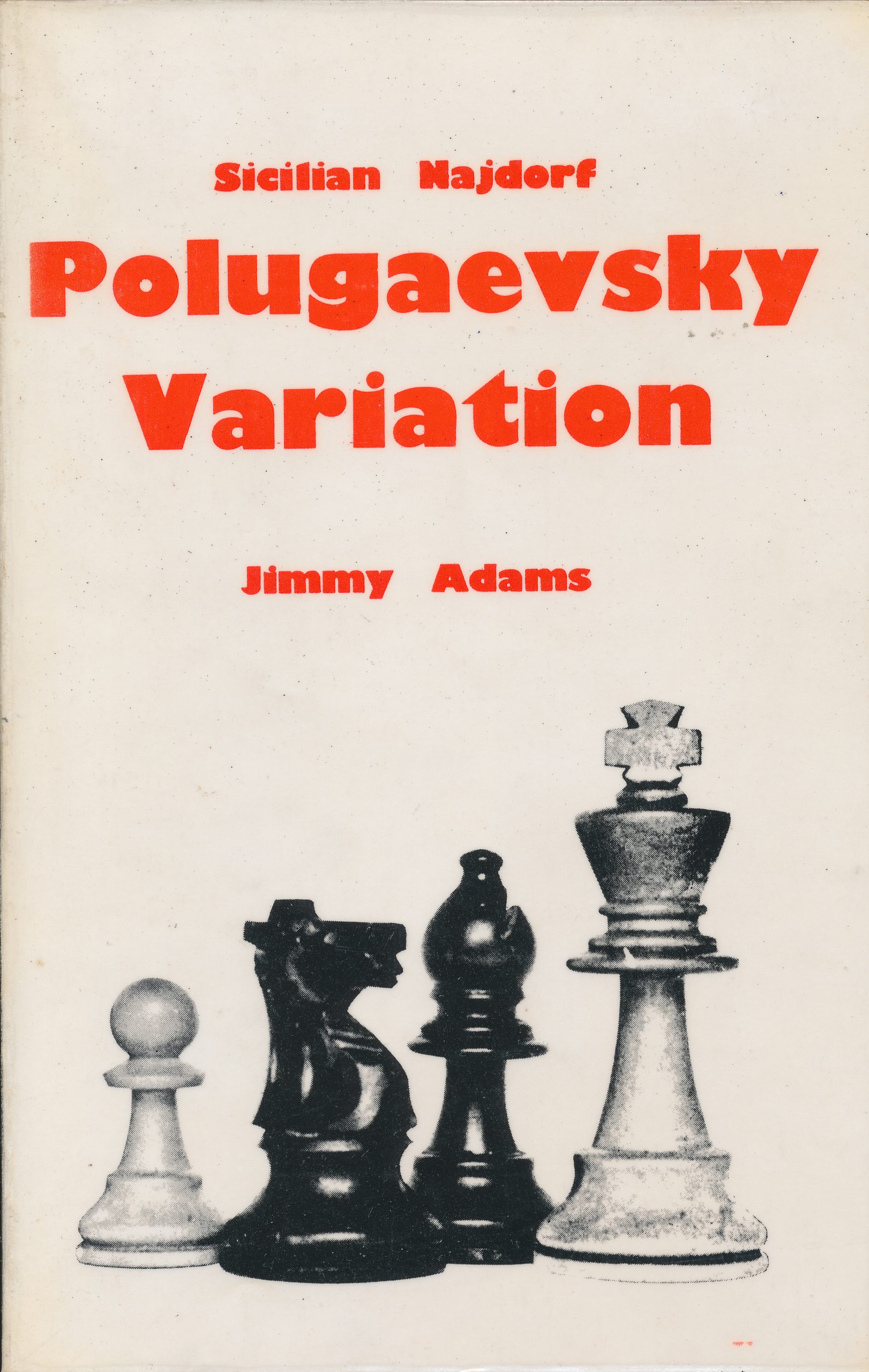
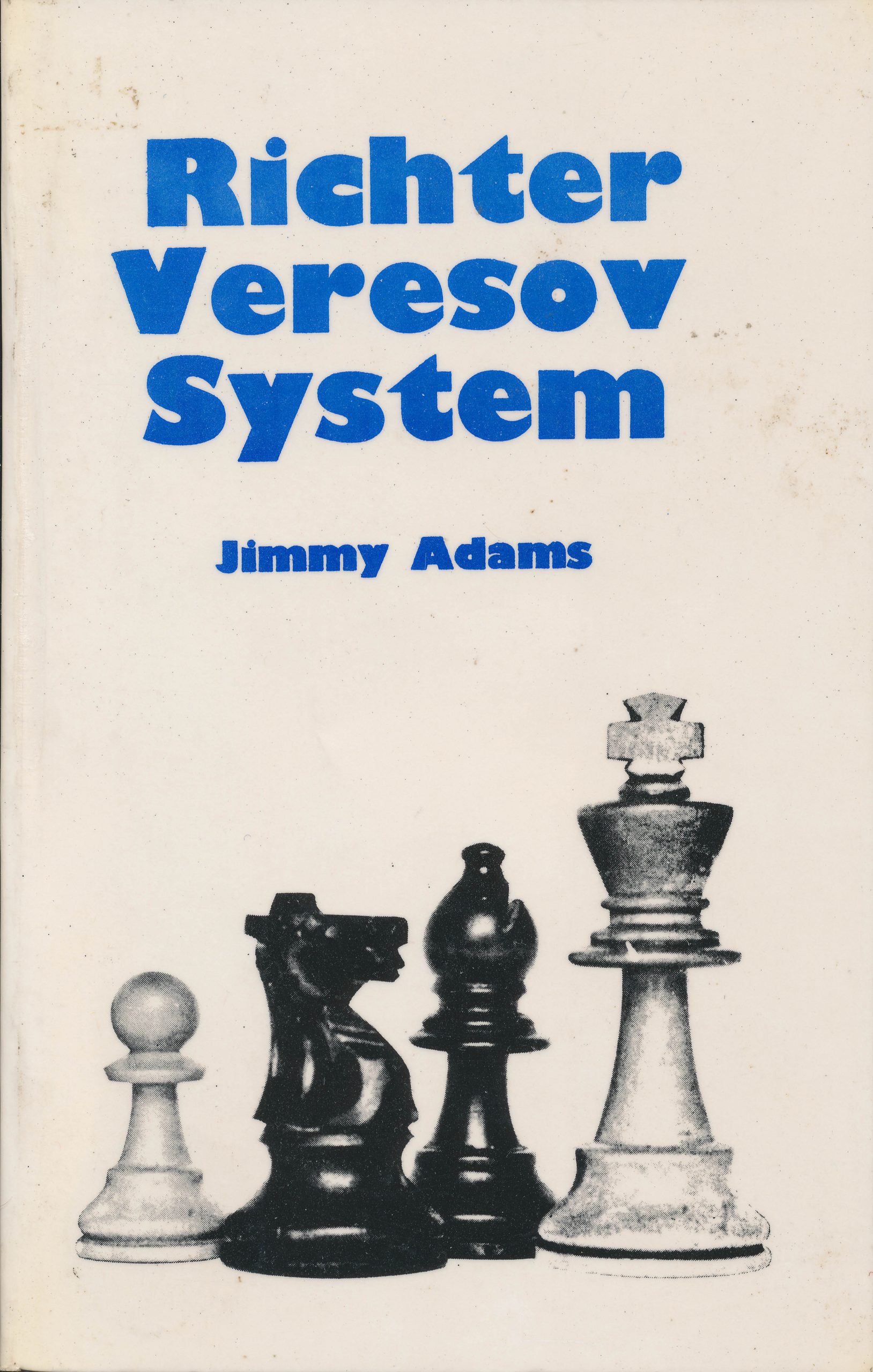
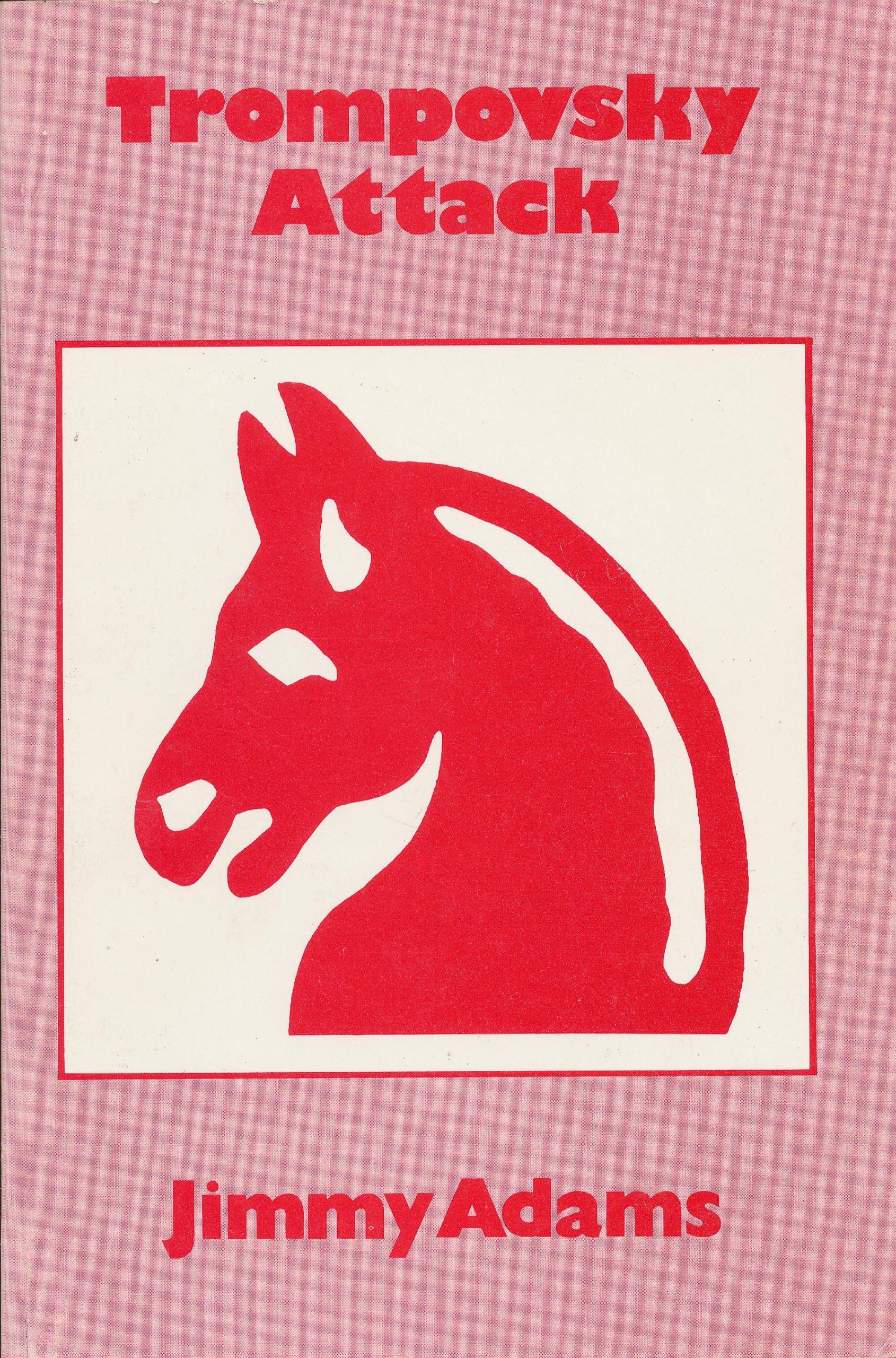
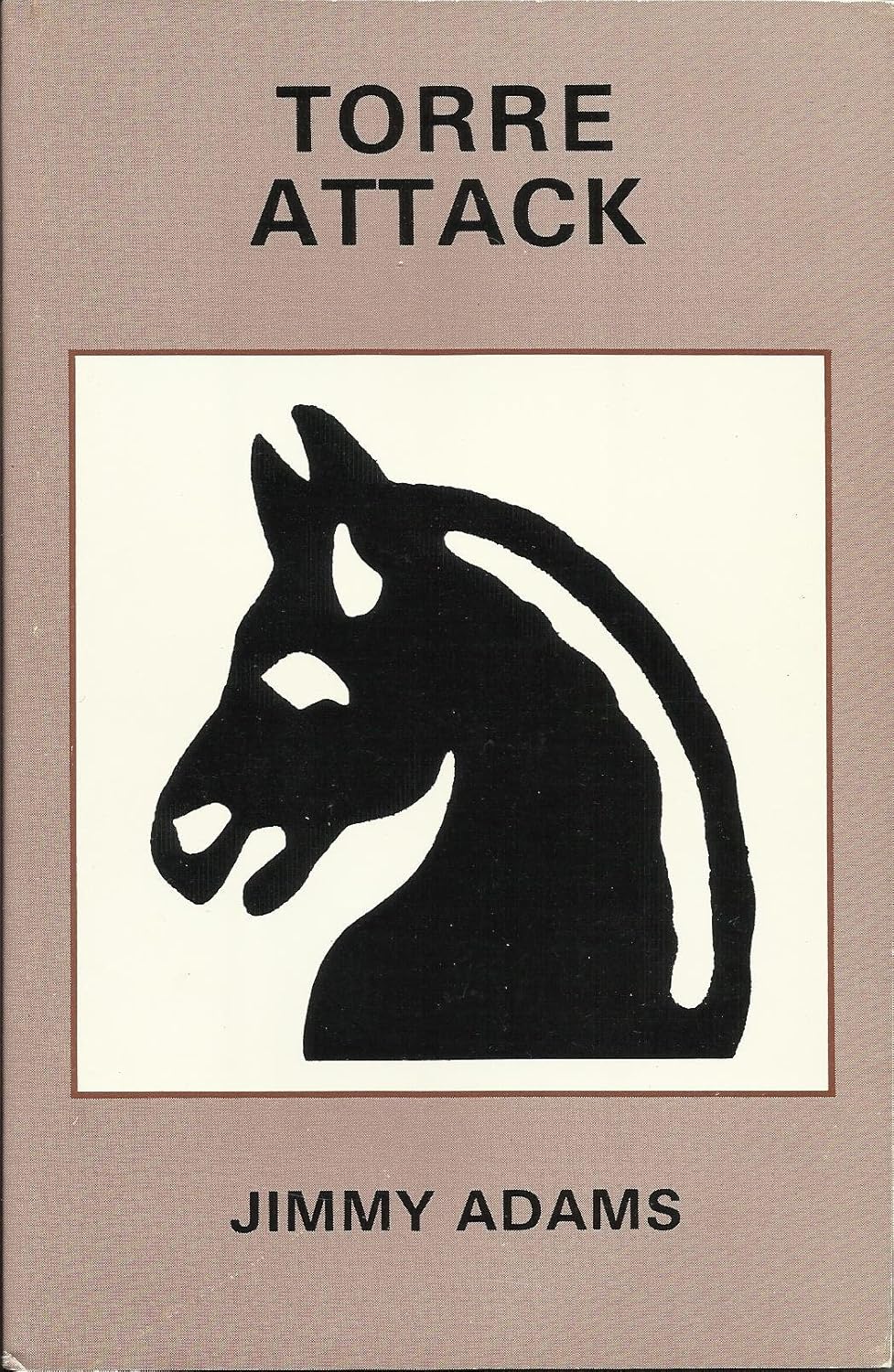
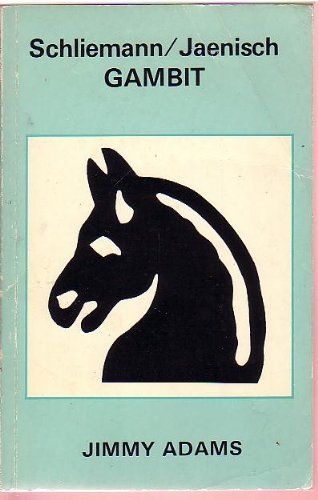
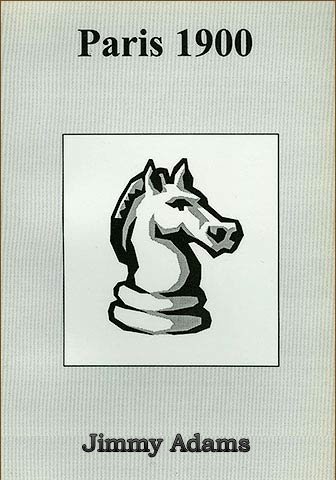
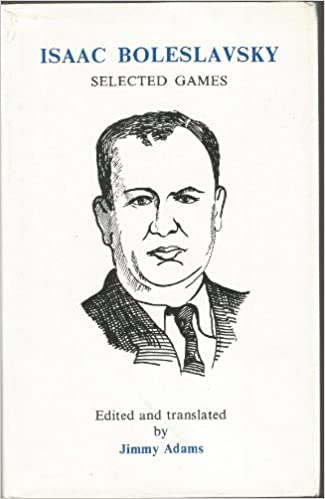
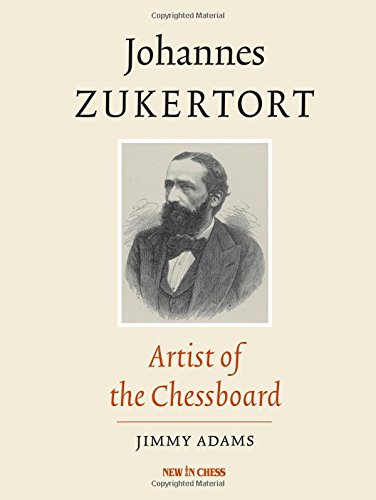
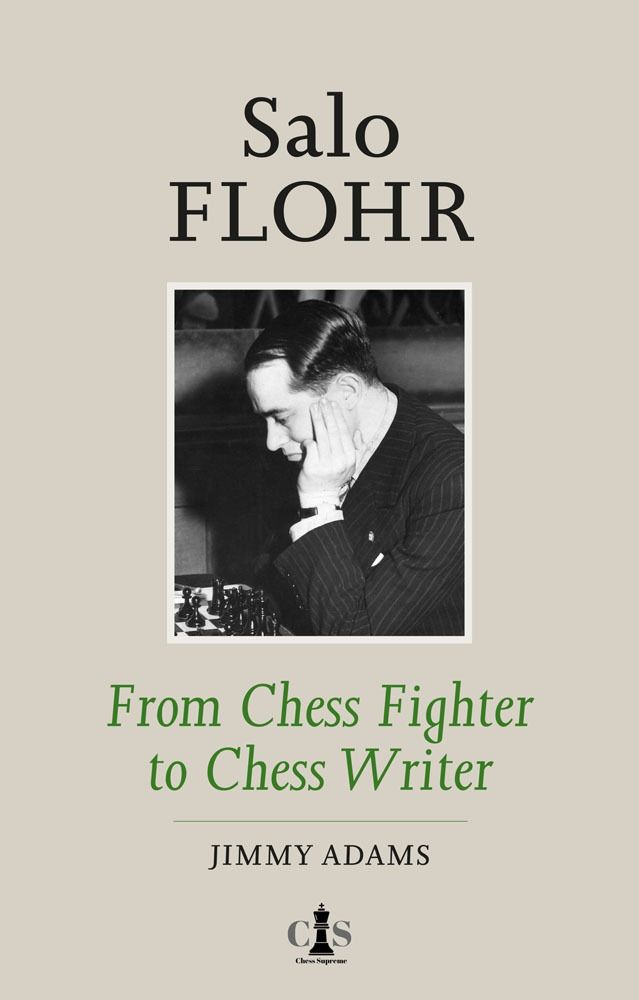
The Games of Anatoly Karpov, Batsford, Jimmy Adams, 1974The Complete Games of World Champion Anatoly Karpov, Jimmy Adams, 1976The Complete Games of World Champion Anatoly Karpov, Jimmy Adams, 1976Sicilian Defence Najdorf Poisoned Pawn, Jimmy Adams, The Chess Player, 1977Sicilian Defence 10 : Main Line Najdorf, Jimmy Adams, The Chess Player, 1977Sicilian Najdorf Polugaevsky Variation, Jimmy Adams, The Chess Player, 1978The Richter Veresov System, The Chess Player, Jimmy Adams, 1978Trompovsky Attack, The Chess Player, Jimmy Adams, 1979Torre Attack, Jimmy Adams, The Chess Player, July 1981Schliemann/Jaenisch Gambit, The Chess Player, Jimmy Adams, 1982Paris 1900, The Chess Player, Jimmy Adams, 1986ISAAC BOLESLAVSKY Selected Games, Caissa Books, Jimmy Adams, 1988Johannes Zukertort: Artist of the Chessboard, New in Chess, Jimmy Adams, 2014Mikhail Chigorin, the Creative Genius: New in Chess, Jimmy Adams, 2016Gyula Breyer : The Chess Revolutionary, Jimmy Adams, New in Chess, 2017Salo Flohr: From Chess Fighter to Chess Writer, Jimmy Adams, New in Chess, 2026
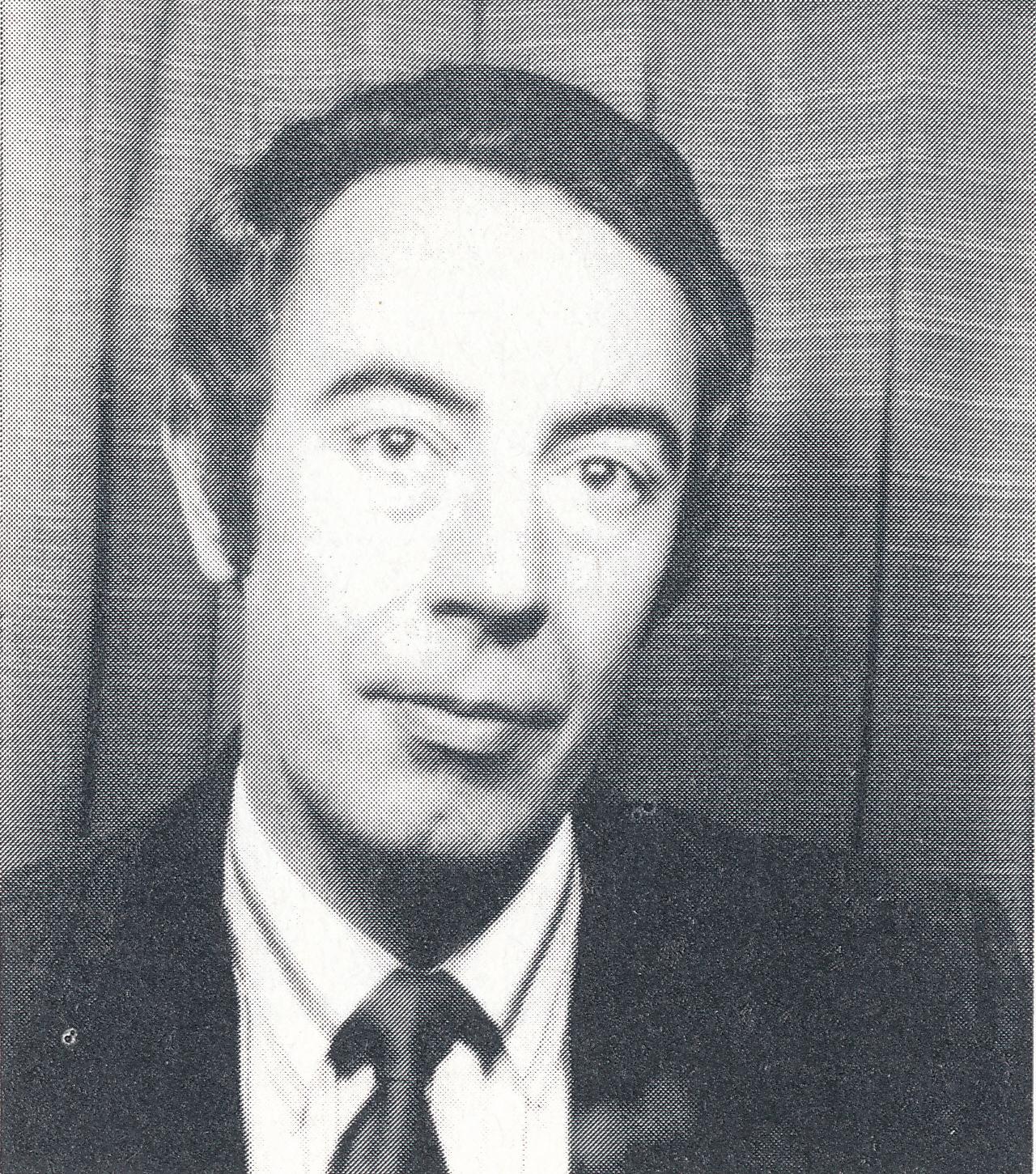
BCN remembers IMCC Barry Barnes who passed away on Tuesday, January 14th 2025 aged 87.Barry Peter Barnes was born in Brighton and his mother’s maiden name was Simpole. (Barry is a cousin of Julian Ivan Peter Simpole, who was a Brighton school teacher and who taught Edward Gerard Winter to play chess).
Barry most recently lived in Halling, Rochester, Kent with his wife Jean.
From The Encyclopedia of Chess (Robert Hale, 1970 & 1976) by Anne Sunnucks :
“International Master of FIDE for Chess Compositions (1967) and International Judge of FIDE for Chess Compositions (1967).
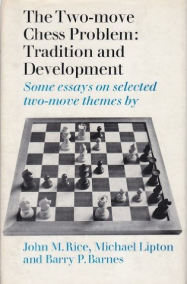
Born on 1st August 1937, Barnes works in transport advertising. He has composed about 250 two-move problems. With Lipton and Rice, he has contributed to the advance of the modern two-mover. Problem Editor of Two-Move and Twin sections of The Problemist. Co-author with M.Lipton and JM Rice of The Two-Move Chess Problem : Tradition and Development (Faber and Faber 1966).
“A promising career as a county chess player came to an end when I was given Brian Harley’s classic book Mate in Two Moves in the belief that it would help my chess, but it had quite the opposite effect. My interest in competitive chess waned, and I was on the road to an an International Master title for problems!
Early influences in my problem career were the weekly chess problem solving competition in The Observer (my first problem published there was in 1955), a teenage friendship with J. M. Rice and M. Lipton (both now lnternational Masters), Herbert Grasemann’s book Problem Schach / with its near revolutionary post-war German problem ideas, and the expert British problemist, A. R. Gooderson who had I but known it only a few years earlier was the officiating master when my Hove Grammar School played Steyning Grammar at chess.
In the late 1950s and early 1960s, the genuinely original problems I was making in cooperation and in competition with Rice and Lipton were being published mostly abroad in such specialist problem magazines as Die Schwatbe (with its inspired two-move editor, Hermann Albrecht) where I gained the epithet the English prize-snatcher’! It was also written that the work of the avant-garde composers, Rice, Lipton and Barnes, was like a fresh two-move wind blowing from our island. It was sad but true at that time that the specialist magazine of the British Chess problem Society (founded 1918), The problemist, was unreceptive to change and our often bizarre ideas.
A milestone of sorts was reached when I won lst prize for problem I in 1958, a prize for the best new problem by a member of the British Commonwealth aged under 21. In 1966, I was invited by problemist Grandmaster Comins Mansfield, who was President of the FIDE Problem Commission, to act as Secretary at the Barcelona meeting. With Mr. Mansfield’s retirement, I became the British Member to the Commission, and at the Wiesbaden meeting, 1974, I was elected 2nd Vice-President. (1st Vice-President from 1982)
The FIDE Problem Commission meets annually to discuss matters relating to all branches of problem chess, to organize the World Chess Composing Tournament (WCCT), the World Chess Solving Competition (WCSC), and to publish FIDE Album anthologies of the best problems. It was on the strength of my success in these FIDE Albums that the Commission granted me the titles in 1967 of ‘lnternational Master of the FIDE for Chess Composition’ and ‘lnternational Judge of the FIDE for Chess Composition’. Since 1974, I have been Chairman of the Titles Sub-Committee of the Commission.
Since 1965, I have been the two-move editor of The Problemist and have served almost without break on the BCPS Committee. I have contributed to The Encyclopaedia of Chess by Anne Sunnucks (Robert Hale, 1970), I am co-author, with J. M. Rice and M. Lipton, of The Two-Move Chess Problem: Tradition & Development‘ (Faber A Faber, 1966), and I am the sole author of Comins Mansfield MBE: Chess Problems of a Grandmaster: (British Chess Problem Society, 1976) and Pick of the Best Chess Problems (Elliot Right Way Books, 1976)
To date I have made just over 300 two-movers and some helpmates.”
From The Encyclopaedia of Chess (Batsford, 1977), Harry Golombek OBE, John Rice writes:
“British problem composer, output about 400, nearly all modern style two-movers. Two-move sub-editor of The Problemist. Secretary of the FIDE Problem Commission during C. Mansfield’s Presidency. Co-author of The Two-Move Chess Problem: Tradition and Development (1966).”
The Two Move Chess Problem : Tradition and Development
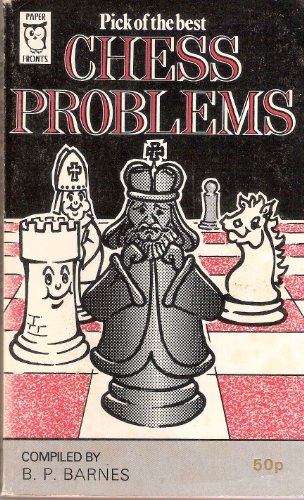
Author of Pick of the Best Chess Problems (1976)
Pick of the best Chess Problems
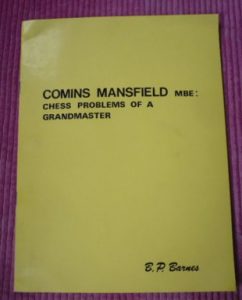
Comins Mansfield MBE : Chess Problems of a Grandmaster (1976).
Comins Mansfield MBE: Chess Problems of a Grandmaster, BP Barnes, 1976
International Judge (1967); international master (1967).
Source: The Problemist, May 1996. Photo taken March 1996 at the Mansfield Centenary Meeting at Paisley, when Barry Barnes delivered a lecture on Comins Mansfield. Left to right: Geoffrey Mansfield (son of Comins), Robert Gray and Barry Barnes, International Master of Chess Composition.
He was British Correspondence Champion in 1972 and awarded the IMC title in 1981.
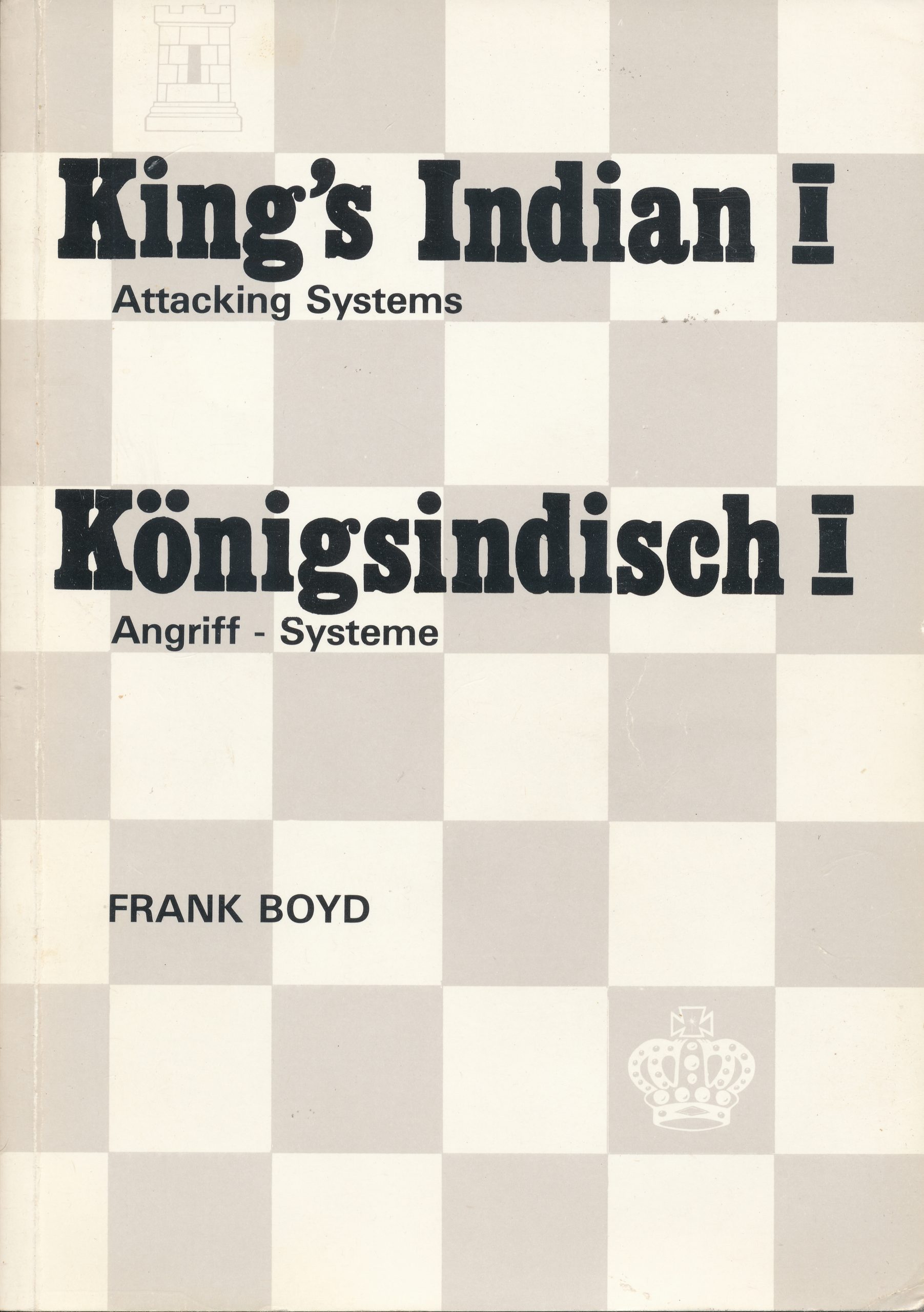
According to Kings Indian I Attacking Systems:
“British Correspondence Champions 1971/72. Placed second in an ICCF master tourney 1973/76. A member of the British team in the 9th Olympiad 1977/80. Gained the IMC title in the European Team Championship 1978/81.”
According to Chessbase Correspondence Database 2020 Frank achieved his highest (ICCF) rating in January 1991 of 2410.
Incomplete crosstable from the European Championship, 1973.
As White Frank would play the Queen’s Gambit via a 1.Nf3 move order. He did not play 1.e4
As the second player he would defend the closed Ruy Lopez and the Nimzo-Indian Defence.
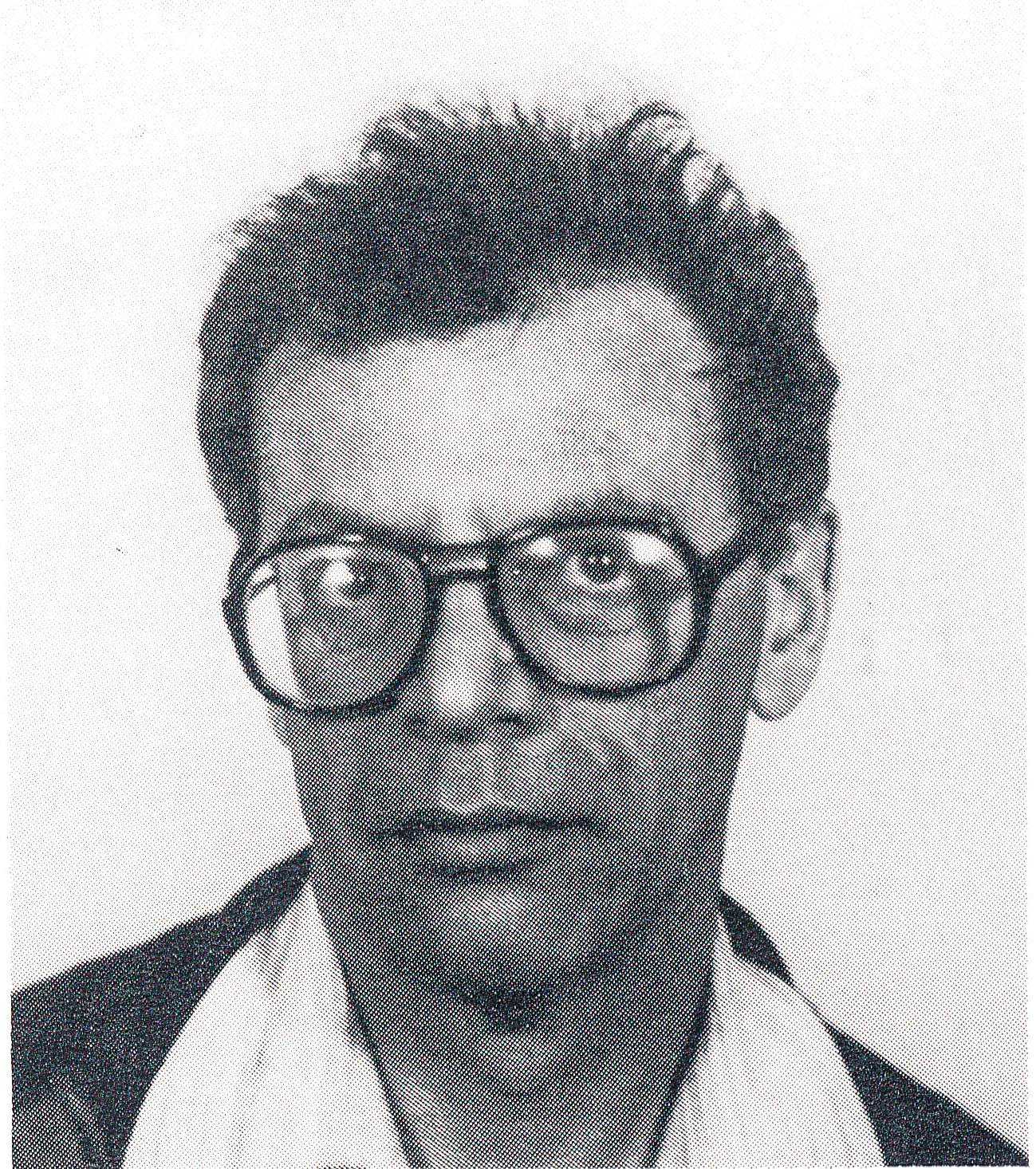
BCN remembers Ken Messere who passed away on Thursday, March 31st 2005 aged 76 in Paris-16E-Arrondissement, Paris, France.
Kenneth Charles Messere was born on Monday, April 16th, 1928 in Richmond-on-Thames, Surrey. His father was Charles (George) Messere (1901-1974) or Eisenberg and aged 26. His mother was Gertrude Marie Newman (1899-1978) and aged 29.
Ken had three siblings: Barbara Marie Messere (1930–2005), Hugh Martin Messere (1932–1985) and Derek R Messere (1934–2012)
Ken attended St. Peter’s College, Oxford from 1946 – 1951 to read philosophy and is reported in the 1951 St. Edmund Hall Magazine, as a member of the Trillick (debating) Society as follows:
‘ That this House would rather be a live Communist than
a dead Democrat.’ The proposer established to his own satisfaction that democracy was founded on ‘selfishness, capitalism and bourgeois hypocrisy.’ He did not satisfy J. F. R. Bonguard of St. Peter’s Hall who opposed, using arguments taken from Hindu philosophy. K. C. Messere of St. Peter’s Hall, spoke third and added some able arguments.
In June 1954 Ken married Mary Elizabeth Humphrey (1929-2003) in Ealing. They had a son Miles Jonathan Messere born in 1964 who passed away in 1965.
Prior the time of his passing his wife Mary was living at 142B, Herbert Road, Woolwich, London, SE18 3PU.
In 1991 he was awarded the OBE (Civil Division) in the Queen’s Birthday honours list. The citation reads: Kenneth Charles Messere, lately Head of Fiscal Affairs Division, OECD, Paris.
Ken appears each year from 1953 to 1967 in the noted publication Britain, Royal And Imperial Calendars the function of which is to list entries for those engaged in UK public service. He worked for HM Customs and Excise. Prompted by this we consulted the venerable A History of Chess in the English Civil Service by Kevin Thurlow (Conrad Press, 2021) on page 447 and found
“He played for Customs. In 1964, he went to work for the Organisation for Economic Cooperation and Development and was head of fiscal affairs from 1971 – 1991. In 1954 he began playing postal chess and became a leading player. He won a semi-final of the 5th World Correspondence Championship (1961 – 64) and became the first English player to compete in a World Championship Final.”
There are 31 games listed at his personal entry at chessgames.com starting with games from 1965.
Chessbase’s Correspondence Database 2020 records 69 games the earliest being from 1958 listing Ken’s federation as being France.
From British Chess (Pergamon Press, 1983) we have this lengthy contribution from Ken himself:
“Between the ages of 6, when I learnt to play and 23 (ed: 1951), when I ceased to be a student, chess had a relatively low priority among various time-competing interests and activities, so I never got around to studying theory. Things changed when I became a civil servant and needed a replacement for philosophy as an intellectually absorbing subject which could be argued about with friends over beers, and for the next 12 years chess became my main interest.
Since 1964 I have been working for the OECD in Paris, where my friends are not chess enthusiasts and, although chess remains a major pleasure, my commitment to it has lessened. Nowadays, out-side correspondence chess, I play only occasional blitz games.
Coming late to serious chess has probably had at least some influence on my deficiencies and stylistic preferences. The deficiencies include an inability to visualize ahead with sufficient clarity to support accurate analysis, slow sight of the board which leads to silly errors through time trouble or failing stamina and less familiarity with theory than my better opponents. As to chess style, I have had to play romantically and subjectively to get good results.
If a game takes the form of a clear-cut position, where strategical objectives are clear and superior technique prevails, then mine generally does not. Consequently I have tended to play either sharp gambits or counter-gambits or to try to render the position sufficiently obscure for imagination and intuition to assume maximum importance. In keeping, my chess heroes have been Alekhine, Bronstein and Tal who revel in fantasy, however much Alekhine may claim that it is logically based.
When I took up competitive chess seriously in 1952, I made some progress and won a few minor tournaments, but in view of the defects already mentioned, it soon became clear that my potential for improvement was limited and that nearly all my games were aesthetically flawed. Fortunately, these defects represent no great handicap at correspondence chess, where I found myself pleased with a reasonable proportion of the game I played, and in addition, capable on the day (or more accurately over the years) of winning against almost anyone. Thus, against world champions I have two wins and one loss, (see below). I also have 80 per cent from five games against Russian grandmasters, even if a meagre 28 per cent from my eighteen games against all correspondence grandmasters. In 1954 when I began playing postal chess competitively, I did sufficiently well in a few British Postal tournaments to be accepted at a reasonably high level in the official international tournaments.
Not without luck (see Diagram l), I secured the 75 per cent necessary in two seven-player tournaments to qualify for the fourteen player preliminaries, the winner of which was to qualify for the following world championship. In the 1961-64 preliminaries, I played the best chess of my life, including valid opening innovations, imaginative pawn and piece sacrifices and even a technically efficient win in a queen and pawn end-game. I won the tournament with eleven wins, one draw and one loss, 1.5 points ahead of Maly of Czechoslovakia and two points ahead of Masseev, the Russian favourite, thereby obtaining my first norm towards the International Master title. My first annotated game is the win against Maly (ed: to be inserted once we have tracked down the game score!) which was typical stylistically and also crucial, since if he had won it, he would have qualified for the World Championship instead of me: the second against Bartha of the United States is the most compulsive and difficult tactical game I have ever played, the last five moves alone requiring over 100 hours of analysis.
IMC Ken Messere OBE (16-iv-1928 31-iii-2005)
The quality of my chess in the 1965-68 World Championship was much inferior. The tournament began disastrously. I went in for three losing variations as Black and made a suicidal clerical error in the opening so that after 3 months I had four losses from four games. Later, there were compensations. I won against V. Zagarovsky, the reigning world champion (the third annotated game) and obtained just (but only just) the necessary 33.3% per cent to obtain the correspondence chess international master title. For this I needed a win and draw from my last two games which
after 3.5 years, had to be adjudicated.
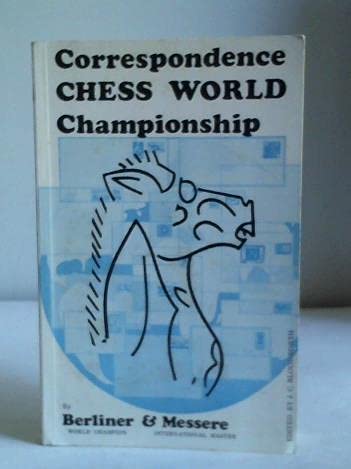
Fortunately, the win and draw were relatively clear, though this would not have been so a few moves earlier. An an illustration of how the threat of adjudication breeds irrationality, Diagram II gives the closing stages of my win against J.Estrin of the USSR – a more recent correspondence chess world champion. My only other game against a world champion was against the winner of this tournament, Hans Berliner of the United States, with whom I collaborated on a book of the tournament. The collaboration was stimulating but not without friction, since I had to write 75 per cent of the book to see it ever finished. It took a year to complete, 3 years to appear (published by BCM) but in the end was well-reviewed, sold over 2000 copies and royalties are still (gently) drifting in.
The Fifth Correspondence Chess World Championship, Hans Berliner & Ken Messere, British Chess Magazine, BCM Quarterly Nunber 14, 5th December 1971, ISBN 978-0-900846-05-2.
In the early seventies, in order to reduce numbers of games, I retreated altogether from individual tournaments, just playing twice for England in the Olympiads. Whether team play did not suit my style, or whether my technique had improved but imagination withered, I drew nine of my seventeen games from the two tournaments, winning four and losing four. As England looked likely to aspire to medals for the first time ever, my 50 per cent would not help matters and I gladly retreated to first reserve, which to my dismay required taking over five unfinished games of Hugh Alexander, who died during the tournament, and who, for me, has always been England’s most attractive player and writer. My most uncomfortable decision in correspondence chess was a rejection of Hugh’s intended continuation in one of these games, {Diagram III). Of these five games, I lost one and drew four and England won a bronze medal.
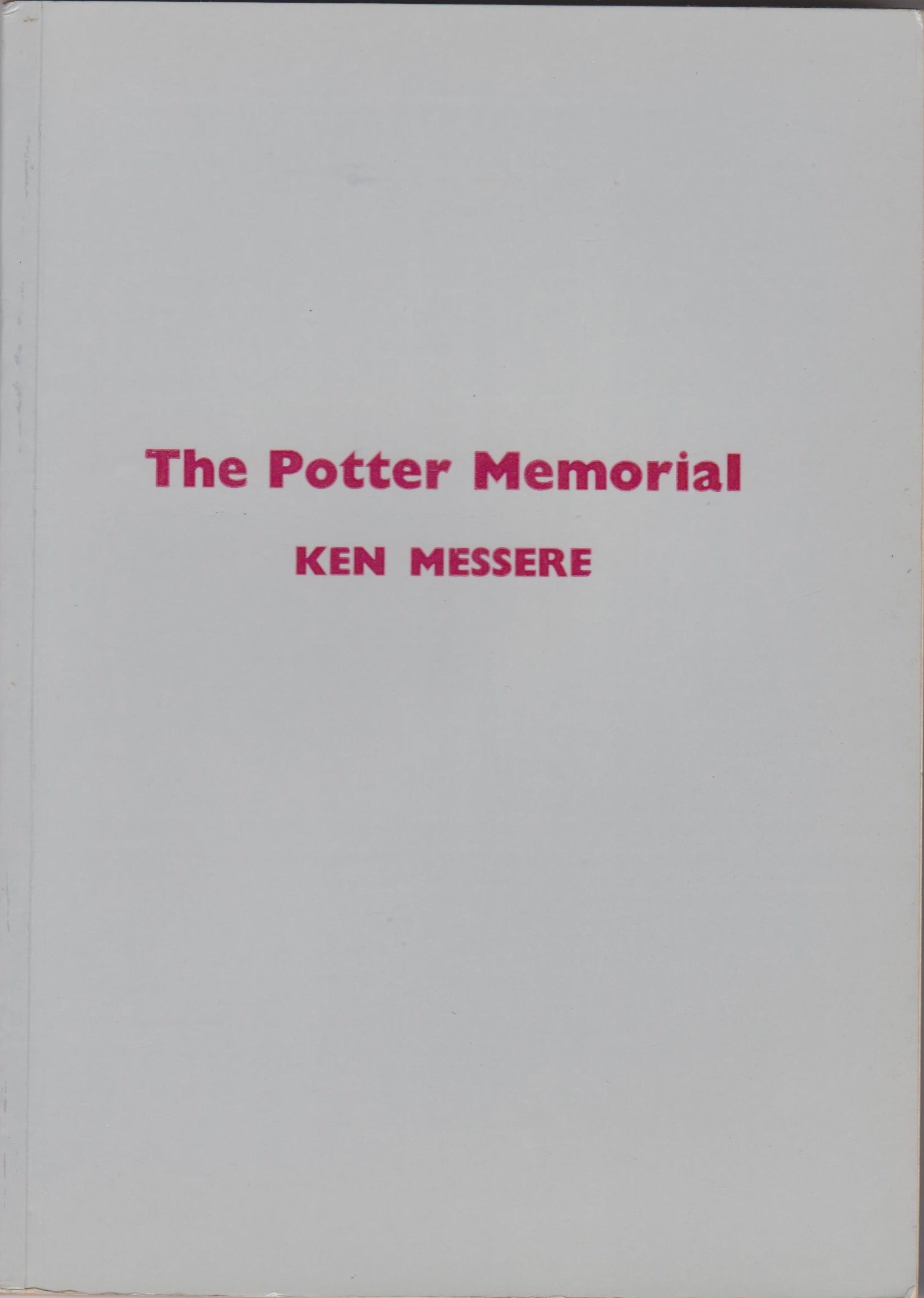
In 1974 was invited to compete in the Potter Memorial Tournament of four postal grandmasters and nine international masters. After so many years of responsible’ team chess for England, I went beserk and sacrificed a pawn in ten of the twelve games, trying later to salvage inferior end-games. Result 33 % per cent. B. H. Wood invited me to write a book of the tournament, to which a number of the players contributed and this was published in 1979.
The Potter Memorial, Ken Messere, CHESS (Sutton Coldfield), 1975
Also in 1979 I began to play in another invitation tournament of thirteen players organised by the Australian Correspondence Chess League, which became a memorial to CJS Purdy, its president and the first world postal champion, who died soon after the tournament began. At the time of writing, this tournament, comprising four grandmasters (including one former world champion and two runners-up) and eight international masters, is still in its early stages.”
From British Chess Magazine, Volume CXXV (125, 2005), Number 5 (May), page 226 we have this obituary:
“Kenneth Charles Messere (16 iv 1928, Richmond – 31 iii 2005, Paris) was one of Britain’s strongest correspondence players (he held the correspondence IM title) and well-known author of books on the subject. After graduating from Oxford University, Ken Messere went to HM Customs and Excise, and thence to the Organisation for Economic Development (OECD) where he became head of the fiscal affairs division and a world expert on fiscal law. He reached the final of 1965-8 world correspondence championship, beating world champions Zagorovsky and Estrin, and wrote the book of the tournament with Hans Berliner (published by BCM)”
From The Potter Memorial by Ken Messere, CHESS (Sutton Coldfield), “Chess for Modern Times” Series, 1975 we have this potted biography:
“Compiler of this book, took 3rd place in 1957 and 2nd in 1968 in the championship of the Postal Chess Club. Scores of 4.5 out of 6 in the ICCF Masters 1957-8 and 4/6 in the 1959-61 Championship took him to victory with 11/5 out of 13 in the 1961-3 semi-finals, securing him his first international master norm and qualifying him for the 5th World Championship 1964-7 in which he scored 5.5, just enough for the IM title, with wins over Zagorovsky, then world champion and Estrin, world champion now. Ken Messere collaborated with Berliner, who won it, in a book on the tournament.
He then switched to play exclusively as a member of the British Olympiad team, taking over 2nd board when Alexander died.
The switch back from rather cautious team play to enterprising individual games in 1974-7 provides some of the subject matter of this book.”
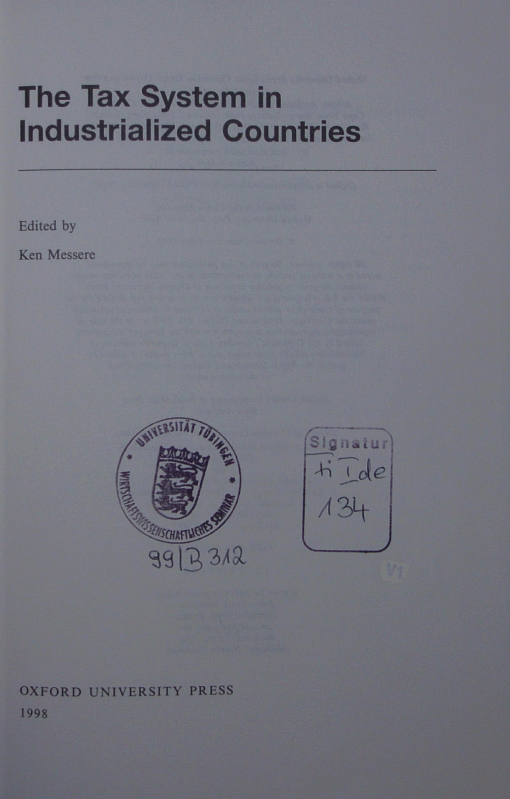
The Tax System in Industrialized Countries, Ken Messere, Oxford University Press, 1998, ISBN 10: 1982933135 / ISBN 13: 9781982933135
BCN remembers Colin Russ who passed away on Wednesday, September 22nd 2021.
This news was revealed to the English Chess Forum by David Sedgwick as follows:
I have been notified by the British Chess Problem Society that Colin A H Russ died on Wednesday 22nd September 2021 at the age of 91. He had been in hospital for some weeks, with no hope of recovery.
Colin Albert Henry Russ was born on Wednesday, March 19th, 1930 in Croydon, Surrey. His father was Albert HW Russ (born November 1st, 1898) who was an instructor of woodworking crafts. His mother was Delcie A Russ (née Dye, born November 7th, 1901) who carried out unpaid domestic duties.
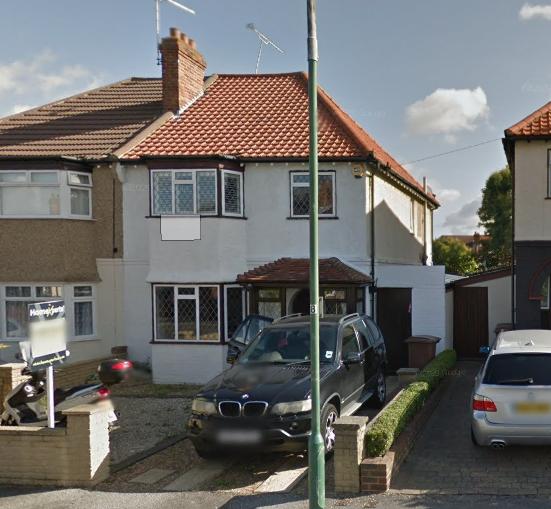
According to the 1939 register Colin was listed as a scholar and the family resided at 42, Poplar Road, Sutton, Surrey which is now SM3 9JX.
42, Poplar Road, Sutton, Surrey which is now SM3 9JX
In 1972 Colin, aged 42, married Zsuzsanna Kelemen in Sittingbourne, Kent.
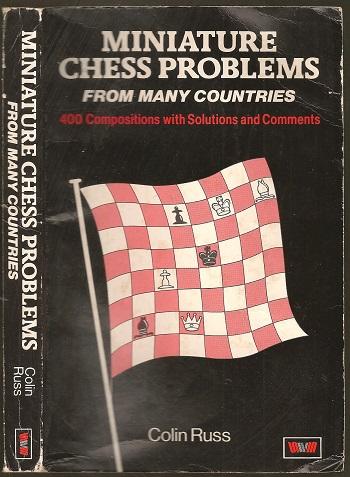
Colin Russ was a chess expert and edited a chess problem column in the CHESS magazine. He wrote the anthology “Miniature chess problems from Many Lands” in 1981 and it was republished several times, for instance in 1987 under the title “Miniature chess problems from Many Countries”.
Miniature Chess Problems From Many Countries, Colin Russ, A&C Black, London, 1987, ISBN 13: 9780047940248
John Ballard wrote the following of this book:
An unusual book in several respects. Firstly the positions are miniatures, that is 7 pieces or less. Secondly the solutions are in algebraic notation for the most part, with the main line being also given in descriptive. Lastly many of the ‘ usual suspects’ in the compostion field are not there, which meant for me learning new names and of course problems.
Familiar names here are Cheron, Dijk, Fleck, Havel, Kipping, Kubbel, Lipton, Loyd, Mansfield, Marble, Skinkman, Speckman, and Wurzburg. So that leaves dozens of composers (including one allegedly by Wojtyla, later to become Pope John Paul II), as a moderate solver I have never come across before, a special delight.
My favourite 3 mover is the one by Sam Loyd that starts with a check, and has a spectacular queen sacrifice. Sam reckoned this was a mere trifle, composed in a ride downtown, but it is a thing of beauty, and I bet many problemists wish they were as quick and adept at composing as The Puzzle King?! There is an interesting introduction to solving, not too heavy, but comprehensive enough. Many of the solutions are given with helpful comments.
The layout of the work is that 3 or 4 problems are given on the left page, and solutions are to be found opposite on the right. If the book is reprinted I would suggest the solutions be removed to an appendix, to remove the temptation for intermittent solvers like myself to take a sneak peak if a problem was proving intractable!
He served the British Chess Problem Society in various roles, as President from 1987 to 1989, Secretary from 1980 to 2001, and delegate to the PCCC from 1987 to 1994. He was also responsible for introducing the late Michael Ormandy to the Society, which led to the establishment of The Problemist Supplement.
The problem below was selected in the FIDE Album 1956-1958:
Colin was an accomplished over-the-board player and has 117 games recorded in MegaBase 2020 spanning from 1993 to June 2009. Most of these games arise from the Seefeld (Austria) Open and the Jersey Open in St. Helier.
In England Colin represented the Athenaeum club and remained active until 2015.
David Sedgwick went on to write:
Colin, always genial, amusing and engaging, was for decades a pillar of the BCPS and for many years its Secretary. He was a considerable composer of problems and he published a number of books on the subject.
As a player he was of good Club standard, BCF 160 -170 or thereabouts. He remained active until 2015, although his strength dropped off somewhat in the later years.
I got to know him at the Hastings International Chess Congress 1991 – 1992. One of the players in the Hastings Premier that year was the Russian GM Alexei Suetin, who spoke German but not English. I discovered that Colin spoke German well and he proved invaluable as a translator. (I learned only today that by profession he was a university lecturer in German.)
During that Hastings Premier we arranged to have a ceremonial first move made each day by a “name”. Colin was delighted to be chosen for this honour.
(With acknowledgments to Christopher Jones, who succeeded Colin as BCPS Secretary and remains in office.)
Elsewhere on the BCN Facebook group Henrik Mortensen wrote:
He was a great man. In the tournament in Oostende 1992 he beat me with Black in the first round (19th. September 1992). He was much lower rated than me, so … Later in the tournament my travelmate and I both had problems with our cards and he kindly offered to lend us money. Our problems were solved, but it was very kind of him to offer his help. HVIL I FRED.
His best win is probably this one:
but he will be best remembered for his contribution to the world of problems.
We focus on the British Chess Scene Past & Present!
This website uses cookies to improve your experience. We'll assume you're ok with this, but you can opt-out if you wish. Cookie settingsACCEPT
Privacy & Cookies Policy
Privacy Overview
This website uses cookies to improve your experience while you navigate through the website. Out of these cookies, the cookies that are categorized as necessary are stored on your browser as they are as essential for the working of basic functionalities of the website. We also use third-party cookies that help us analyze and understand how you use this website. These cookies will be stored in your browser only with your consent. You also have the option to opt-out of these cookies. But opting out of some of these cookies may have an effect on your browsing experience.
Necessary cookies are absolutely essential for the website to function properly. This category only includes cookies that ensures basic functionalities and security features of the website. These cookies do not store any personal information.