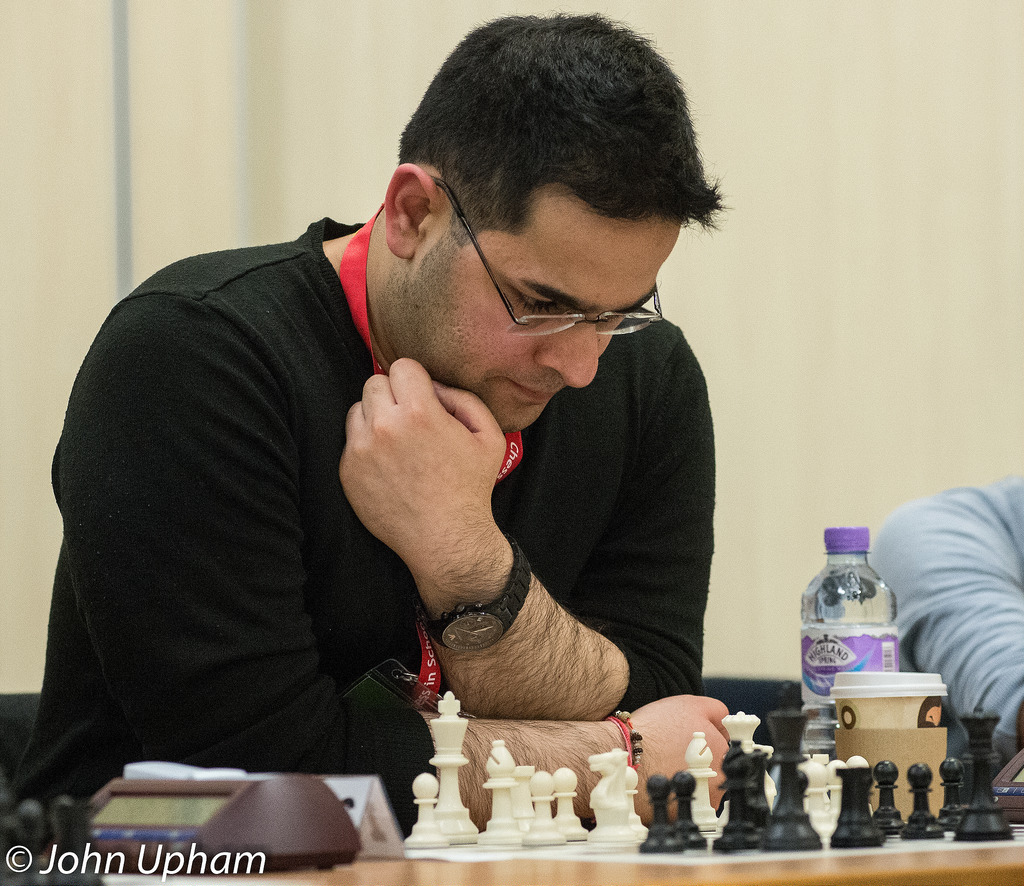
Birthday of IM Ameet Kumar Ghasi (04-ii-1987)
 Save as PDF
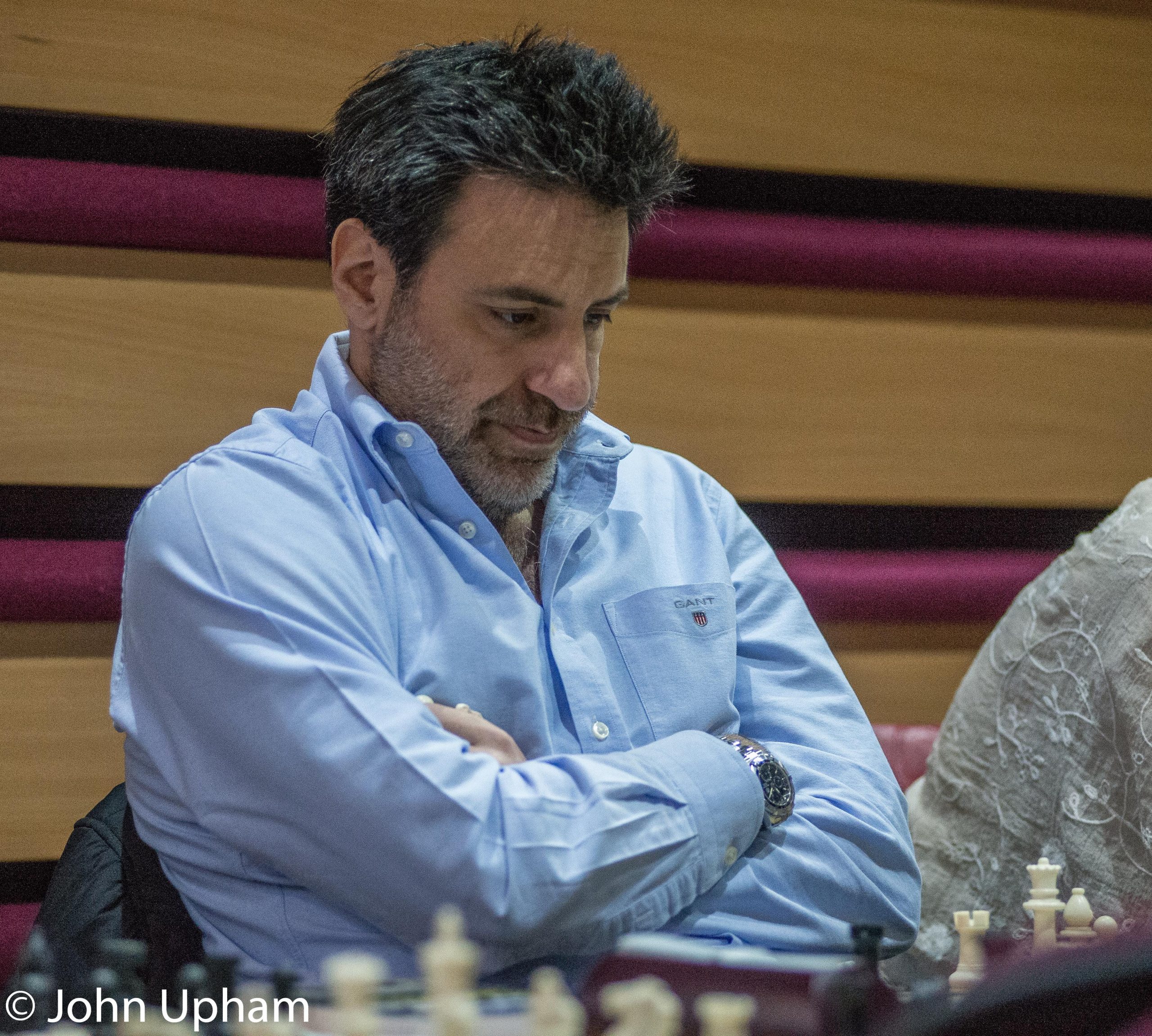
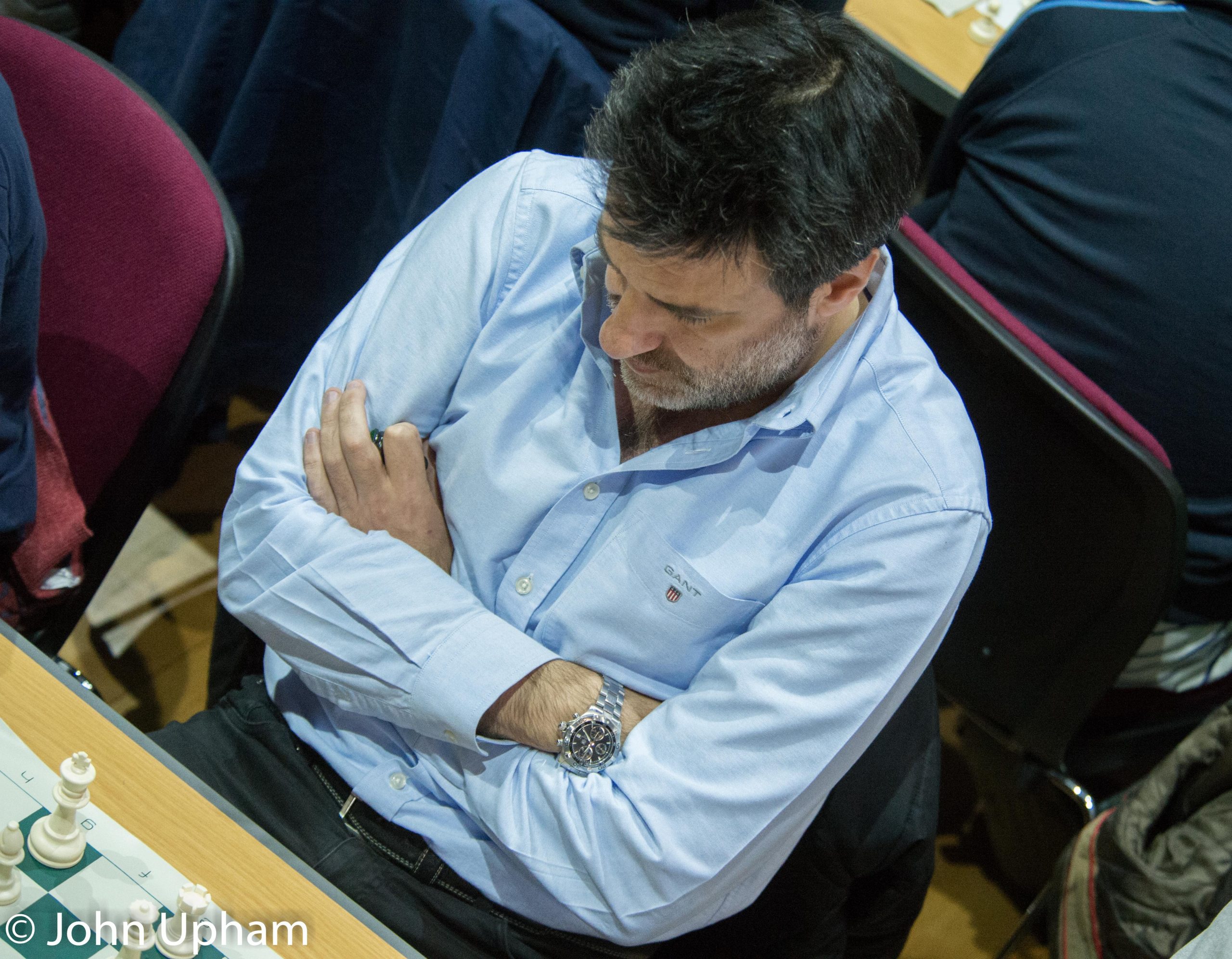
We send best wishes to IM Ali Mortazavi on his birthday, this day (January 20th) in 1971
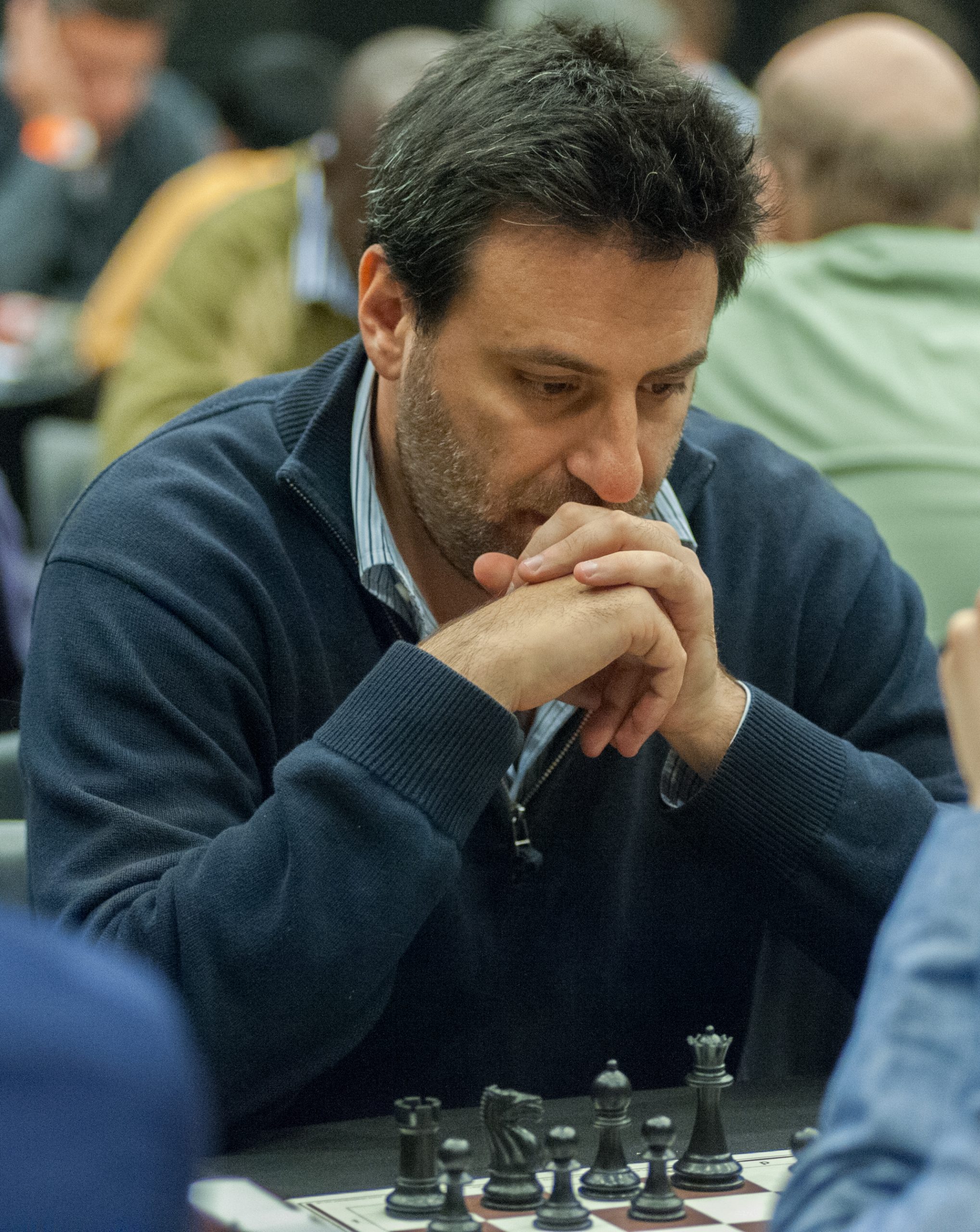
Ali is a British IM who was a successful trader in the financial markets.
In the FIDE directory he is listed as a Councillor in the Global Strategy Commission (GSC).
He was a professional player and became the CEO of Silence Therapeutics (SLN) :
Ali reached his hightest FIDE rating of 2410 in July 1994 aged 23.
He has played for Beeson Gregory in the Four Nations Chess League (4NCL). He played at the Isle of Man Open in 2018 but sadly, little since.
 Save as PDF
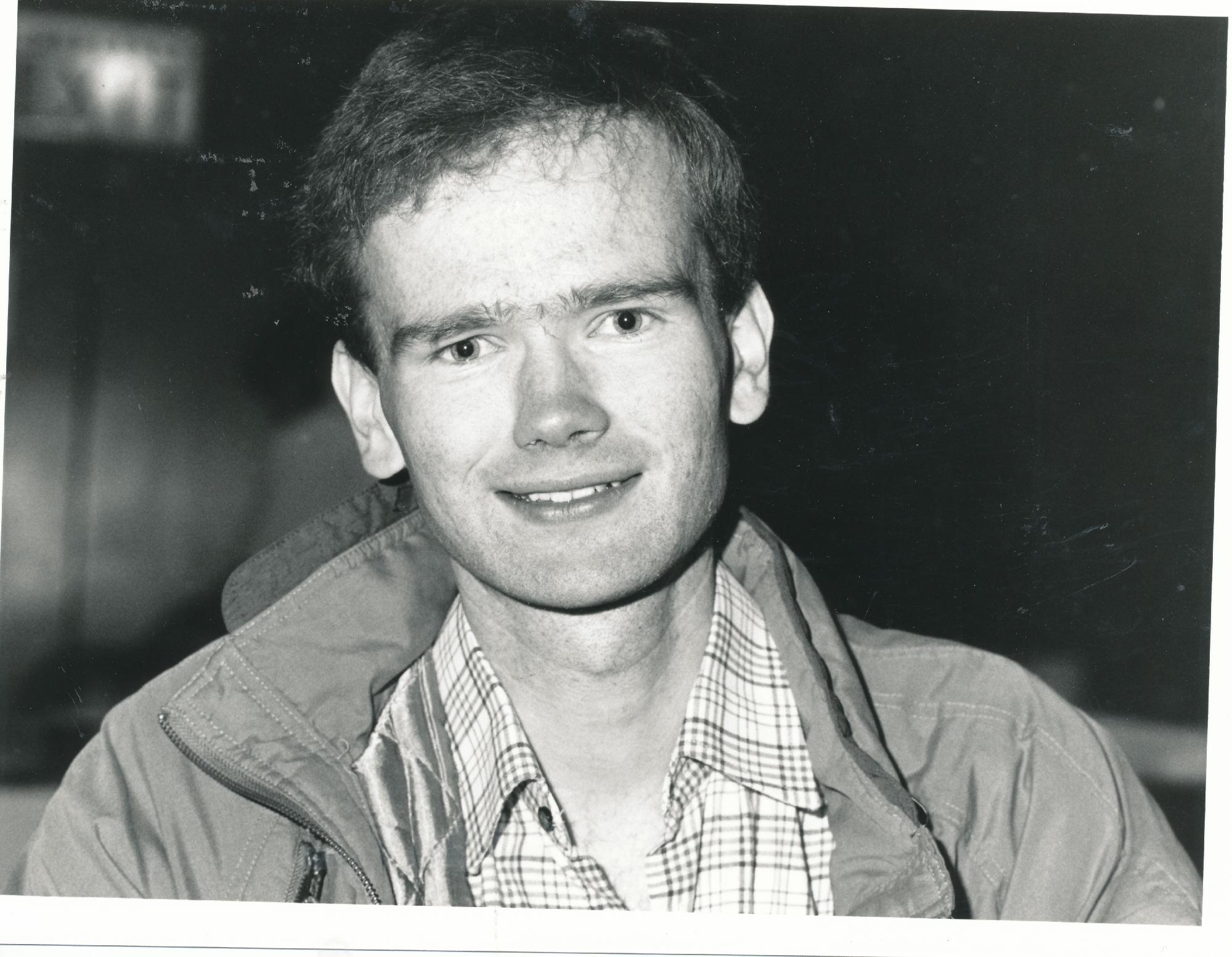
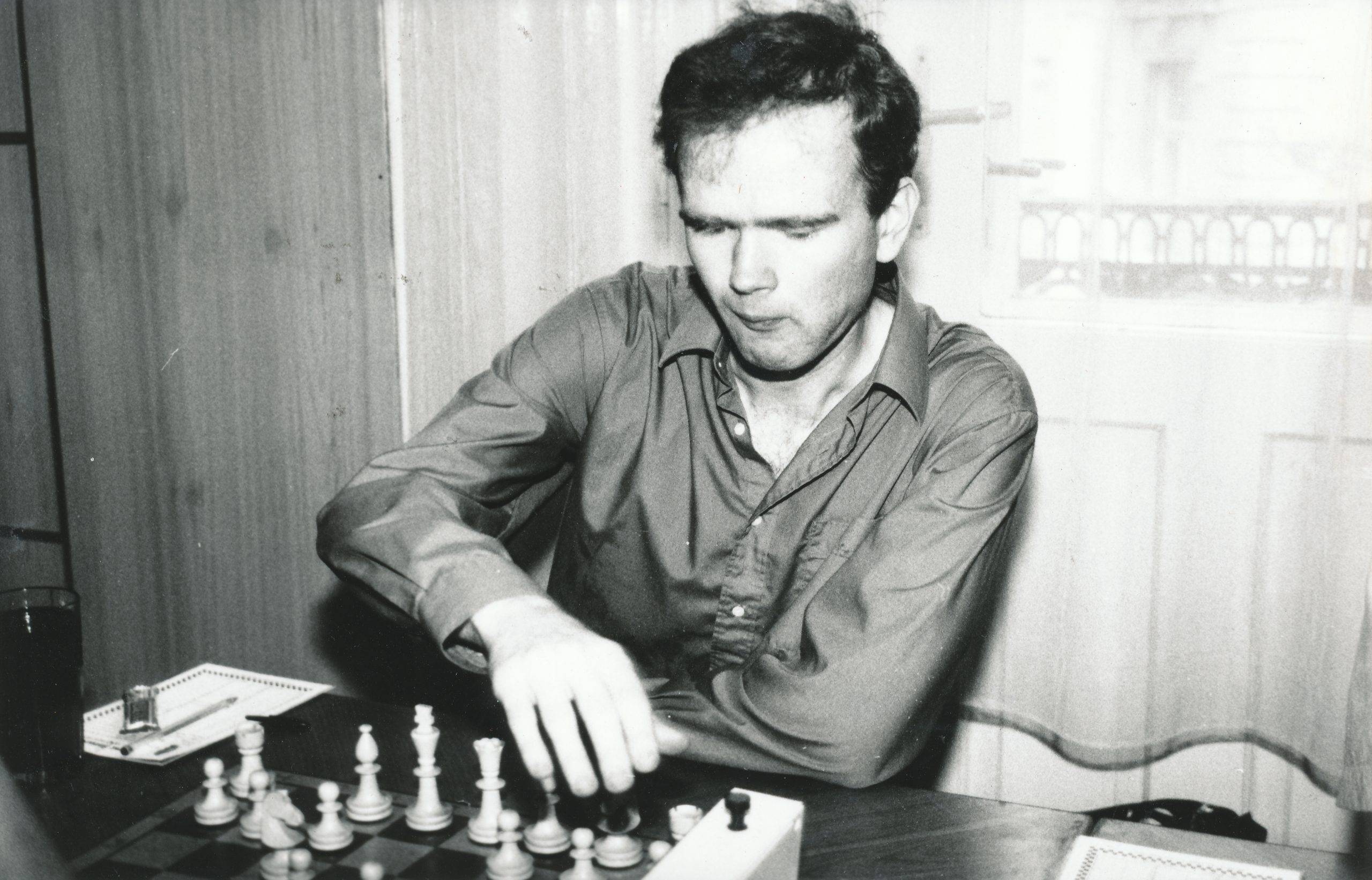
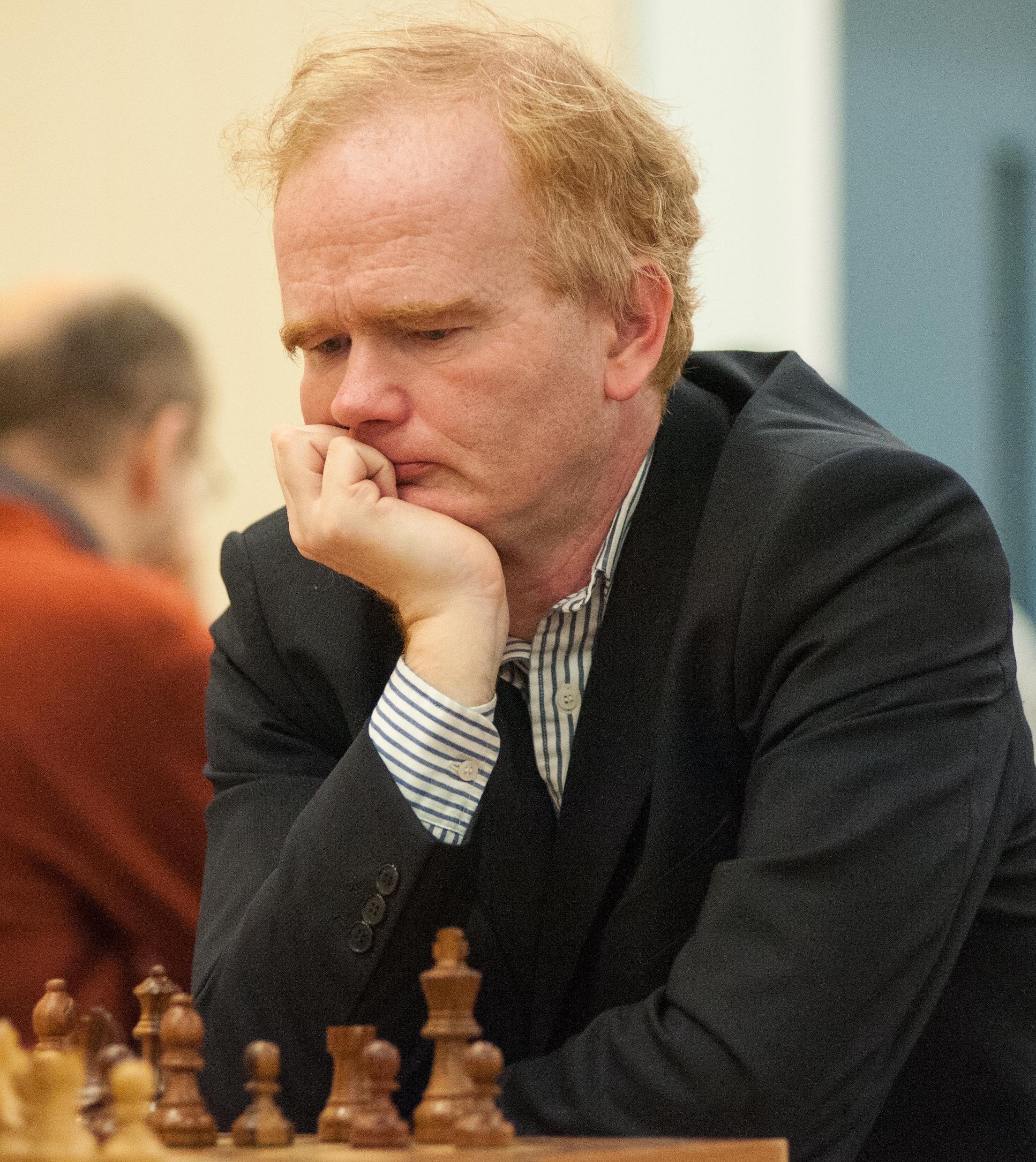
We send birthday wishes to GM Neil McDonald born on this day (January 21st) in 1967.
From Wikipedia :
Neil McDonald (born 21 January 1967) is an English chess grandmaster and a player on the international chess circuit. He is an English Chess Federation coach,[1] who has trained many of the country’s strongest junior players. McDonald is a regular coach of the English junior team and was Head Coach of the English Chess Federation team at the Greece World Schools Championship in 2013.[2] He regularly escorts blind and partially sighted chess players to international World Championship events and is also a chess writer.
McDonald authored the French Defence monthly updates on chesspublishing.com from October 1999 until March 2009,[3] 1 e4 … updates from November 2009 until January 2010,[4] 1 e4 … from June 2014 until February 2015[5] and returned to 1 e4 … in March 2017 until January 2018.[6]
Neil shared first place in the 1986 GLC Masters with Jonathan Levitt, was outright first at the Elekes Memorial, 1995, first at The Leinster IM Tournament in Dublin, 1997, and other tournaments since. Neil plays for Wood Green in the Four Nations Chess League (4NCL).
He became an International Master in 1986 and was awarded the Grandmaster title in 1996.
McDonald obtained his FIDE Trainer qualification in 2016.[7]
Neil is a prolific and successful author, most recently with “Coach Yourself”

but also thirty eight titles for Chess Press, BT Batsford Ltd. and Everyman Chess Books.

 Save as PDF
We send best wishes to IM Ali Mortazavi on his birthday, this day (January 20th) in 1971
Ali is a British IM who was a successful trader in the financial markets.
In the FIDE directory he is listed as a Councillor in the Global Strategy Commission (GSC).
He was a professional player and became the CEO of Silence Therapeutics (SLN) :
Ali reached his hightest FIDE rating of 2410 in July 1994 aged 23.
He has played for Beeson Gregory in the Four Nations Chess League (4NCL). He played at the Isle of Man Open in 2018 but sadly, little since.
Save as PDFWe send best wishes to IM Ali Mortazavi on his birthday, this day (January 20th) in 1971
Ali is a British IM who was a successful trader in the financial markets.
In the FIDE directory he is listed as a Councillor in the Global Strategy Commission (GSC).
He was a professional player and became the CEO of Silence Therapeutics (SLN) :
Ali reached his hightest FIDE rating of 2410 in July 1994 aged 23.
He has played for Beeson Gregory in the Four Nations Chess League (4NCL). He played at the Isle of Man Open in 2018 but sadly, little since.
Save as PDF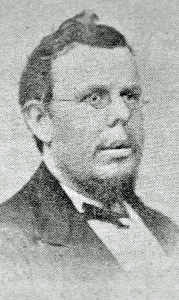
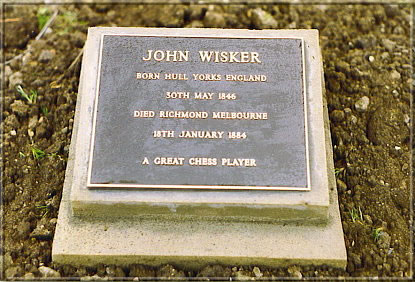
We remember John Wisker who passed away on this day, 18th January, 1884.
According to Wikipedia :
John Wisker (30 May 1846 in Kingston upon Hull, England – 18 January 1884 in Richmond, Victoria) was an English chess player and journalist. By 1870, he was one of the world’s ten best chess players, and the second-best English-born player, behind only Joseph Henry Blackburne.
Wisker moved to London in 1866 to become a reporter for the City Press and befriended Howard Staunton. His proficiency at chess improved rapidly, and he won the 1870 British Chess Championship after a play-off against Amos Burn, ahead of Blackburne, the defending champion. He won again in 1872 after a play-off against the first British champion, Cecil Valentine De Vere. After this second victory, the British championship was not resumed until 1904. Wisker edited chess columns for The Sporting Times and Land and Water. From 1872 to 1876, Wisker was Secretary of the British Chess Association and co-editor of The Chess Player’s Chronicle. After learning that he had contracted tuberculosis, Wisker emigrated to Australia in the autumn of 1876 to try to regain his health. In Australia, he wrote a chess column for the Australasian. In 1884, Wisker died from bronchitis and tuberculosis.
Here is a short item from the Ken Whyld Association web site :
and here is a more detailed article from chess.com
From The Oxford Companion to Chess by David Hooper & Ken Whyld :
John Wisker was an English player and journalist. After moving from Yorkshire to London in 1866 Wisker improved rapidly, so that in the early 1870s he could be ranked among the world’s best ten and second only to Blackburne among English-born players. In 1870 Wisker won the British Championship ahead of Blackburne (the holder) after a play-oil against Burn, and in 1872 he again won the title after a play-off against De Vere. (winner of the first British Championship). By winning twice in succession Wisker retained the trophy and the contests ceased until 1904 (when
Napier won). Against two of his contemporaries Wisker played six matches: Bird in 1873 (+6 =1 -6 and +4 =3 -7) and again in 1874 (+10 =3 -8 and +3 =1 -5); and MacDonnell in 1873 ( = 1 -3) and 1875 ( + 7 =4 -4), Discovering that he had tuberculosis, Wisker emigrated to Australia in the autumn of 1876, hoping to improve his health. In England he edited excellent chess columns in The Sporting Times and Land and Water, and was co-editor of the Chess Player’s Chronicle from 1872 to 1876; in
Australia he edited a chess column in the Australasian.
From The Encyclopedia of Chess by Anne Sunnucks :
British Champion in 1879 and 1872 and Hon. Secretary of the British Chess Association from 1872 – 1877. Wisker was born in Hull. His parents were poor and, he received little schooling, but by his own efforts educated himself and by the time he was 19 was contributing articles to the Fortnightly Review. In 1866 he came to London to report for the City Press and was introduced to London chess circles by Howard Staunton. His play rapidly improved, and his victory in the British Championship in 1870 was achieved after a ply-off against Burn, ahead of Blackburne. In 1872, by successfully defending his title, he won the BCA Challenge Cup outright. On this occasion he won a play-off against De Vere. In 1872 Wisker became co-editor with Skipworth of the Chess Player’s Chronicle.
in 1875, Wisker was found to have consumption, and two years later. on medical advice, he emigrated to Australia. He became chess editor of The Australian, an appointment which he held at the time of his death. He died on 18th January 1884 from bronchitis on top of consumption.
From The Encyclopedia of Chess by Harry Golombek :
A prominent British player and chess administrator. Wisker won the BCA Challenge Cup in 1870 after a play-off with Burn. In 1871 he narrowly lost (+2 -3 =4)a match to the French master Rosenthal, who had fled to London to avoid the rigours of war. Wisker retained the Challenge Cup in 1872, this time after a play-off with De Vere. In the following year Wisker played a series of matches against Bird, drawing the first (+6 -6 =1) losing the second (+4 -6 =2) and winning the third (+10 -8 = 3).
From 1872 to 1877 Wisker was secretary of the BCA and jointly edited the Chess Player’s Chronicle. wisker suffered from consumption and in 1877 under doctor’s orders emigrated to Australia where he died (H.G.)
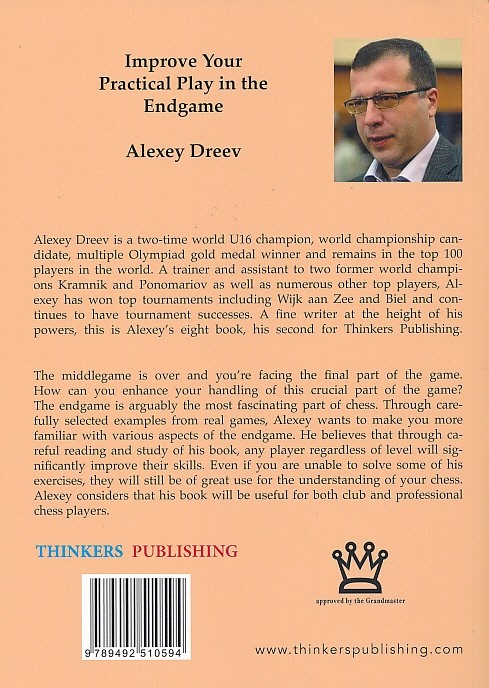
Save as PDFImprove Your Practical Play in the Endgame : Alexey Dreev
“After a bad opening, there is hope for the middle game. After a bad middle game, there is hope for the endgame. But once you are in the endgame, the moment of truth has arrived.” – Edmar Mednis
From Wikipedia :
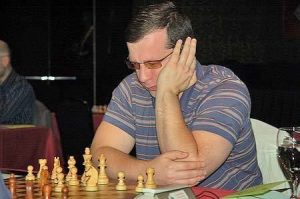
Alexey Sergeyevich Dreev (Russian: Алексей Сергеевич Дреев; born 30 January 1969[1]) is a Russian chess player. He was awarded the title Grandmaster by FIDE in 1989.
While being a promising young chess talent, he was for a period coached by the world-class chess trainer Mark Dvoretsky.
As with every recent Thinkers Publishing publication high quality paper is used and the printing is clear. The book can easily be laid flat next to the board and does not require weights to prevent it from “self-closing” (a particular bugbear of ours !). Each diagram is clear and the instructional text is typeset in two column format, which, we find, enables the reader to maintain their place easily. Figurine algebraic notation is used throughout and the diagrams are placed adjacent to the relevant text and each diagram has a “to move” indicator.
There is no index which, unfortunately, is a standard feature of Thinkers Publishing books. Also missing is a bibliography.
This author of this book is Alexey Dreev, super GM who reached the quarter finals of the candidates in 1991.
This excellent book is packed full of instructive, exciting endgames, taken from top level games, including many of Dreev’s own games
extensively analysed with short pithy didactic comments.
Many of the examples are complex and require serious study to really gain the understanding of practical endgames.
This book is a pleasure to read with an excellent layout and plenty of diagrams making it easy to peruse anywhere.
The book is divided up into six chapters, but not on piece configurations (except for chapter 5) but on aspects of play:
Each chapter has eight or nine examples analysed in depth followed by a similar number of exercises which will really test the reader;
I did get a few right without moving any pieces.
One of favourite chapters is Particular Endgames which mostly covers positions with material imbalance such as Q v pieces
which the vast majority of players would find fascinating. There is an excellent example no 3 showing the use of a space advantage in B+2Ns endgame.
Following is the first example in the Chapter on Defence and a new perspective on a famous game.
My other favourite chapter is Pawn Endgames and Transitioning into Pawn Endgames which shows the rich complexity of king and pawn endgames
and the crucial importance of this topic.
In my experience, this transition is commonly mishandled by players of all standards: I have spoiled winning endgames in this area and I have seen countless games spoiled by poor play in pawn endgames, so study of this chapter will reap rich rewards for a reader.
FM Richard Webb, Chineham, Hampshire, 17th January 2020
Book Details :
Official web site of Thinkers Publishing
 Save as PDF
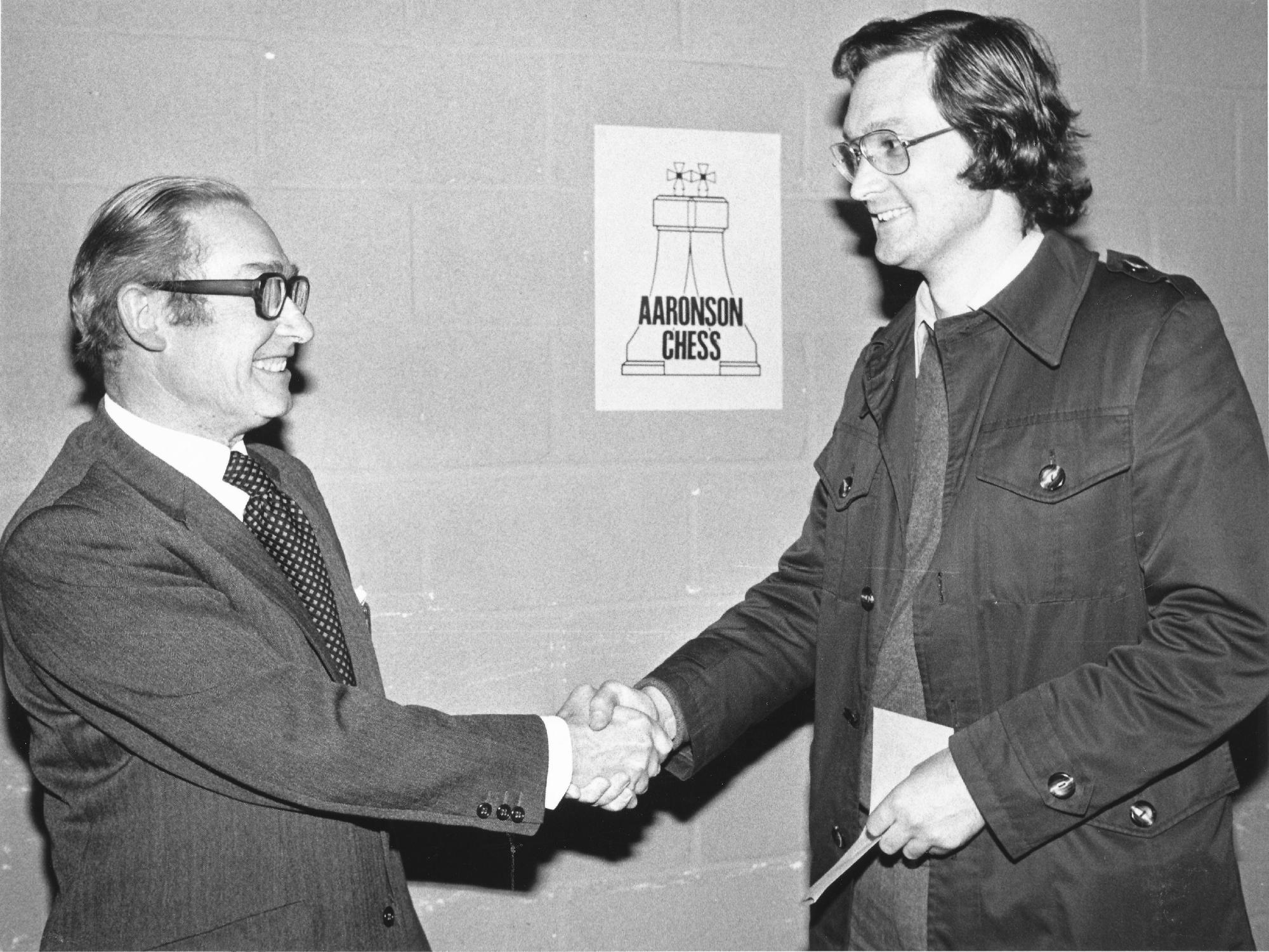
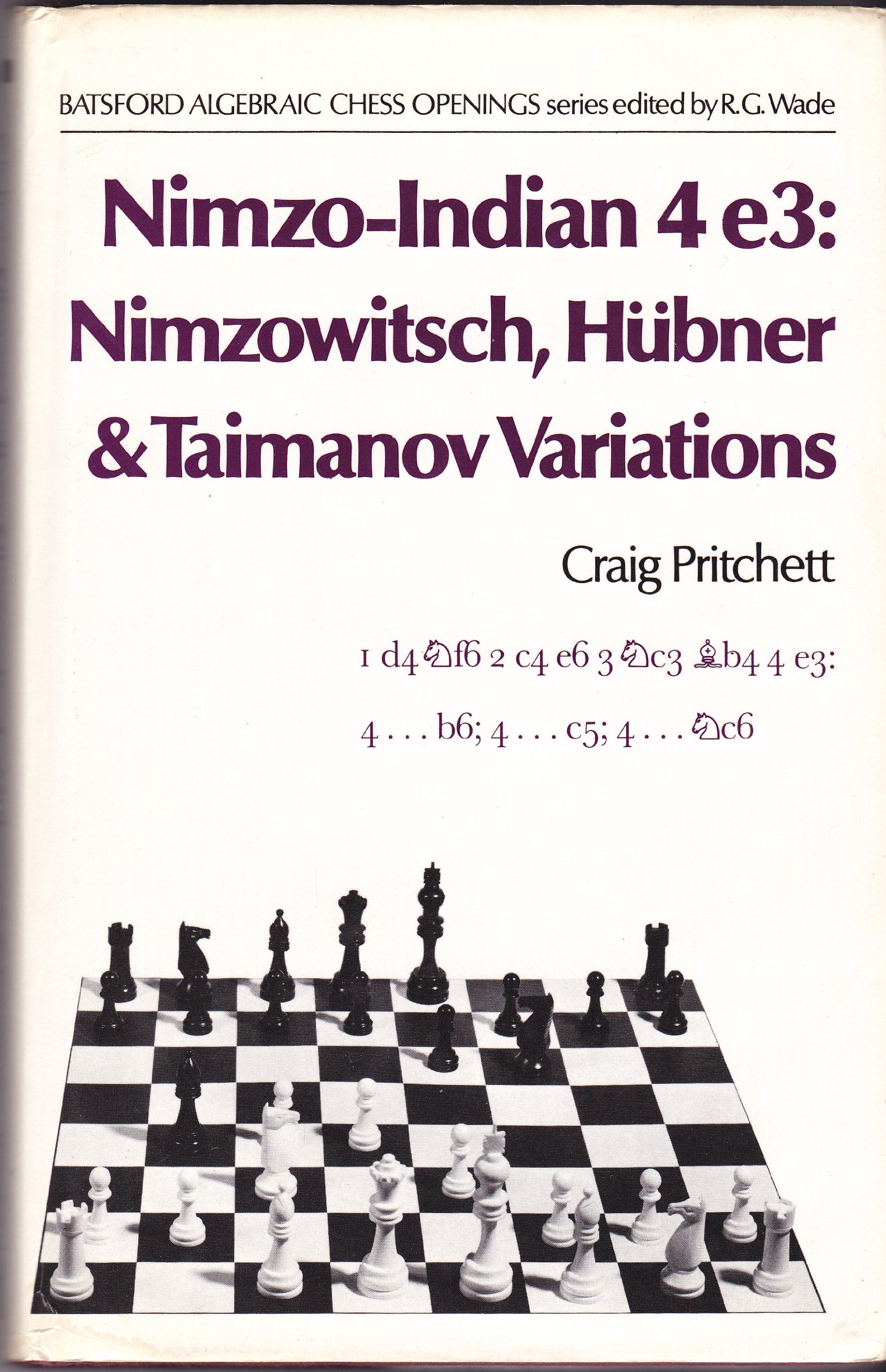
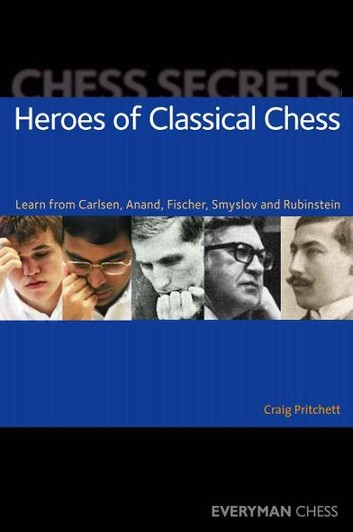
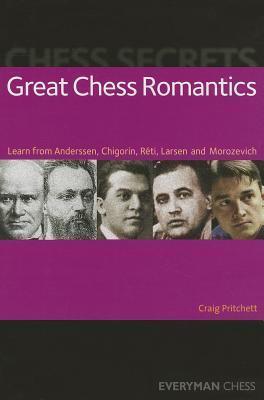
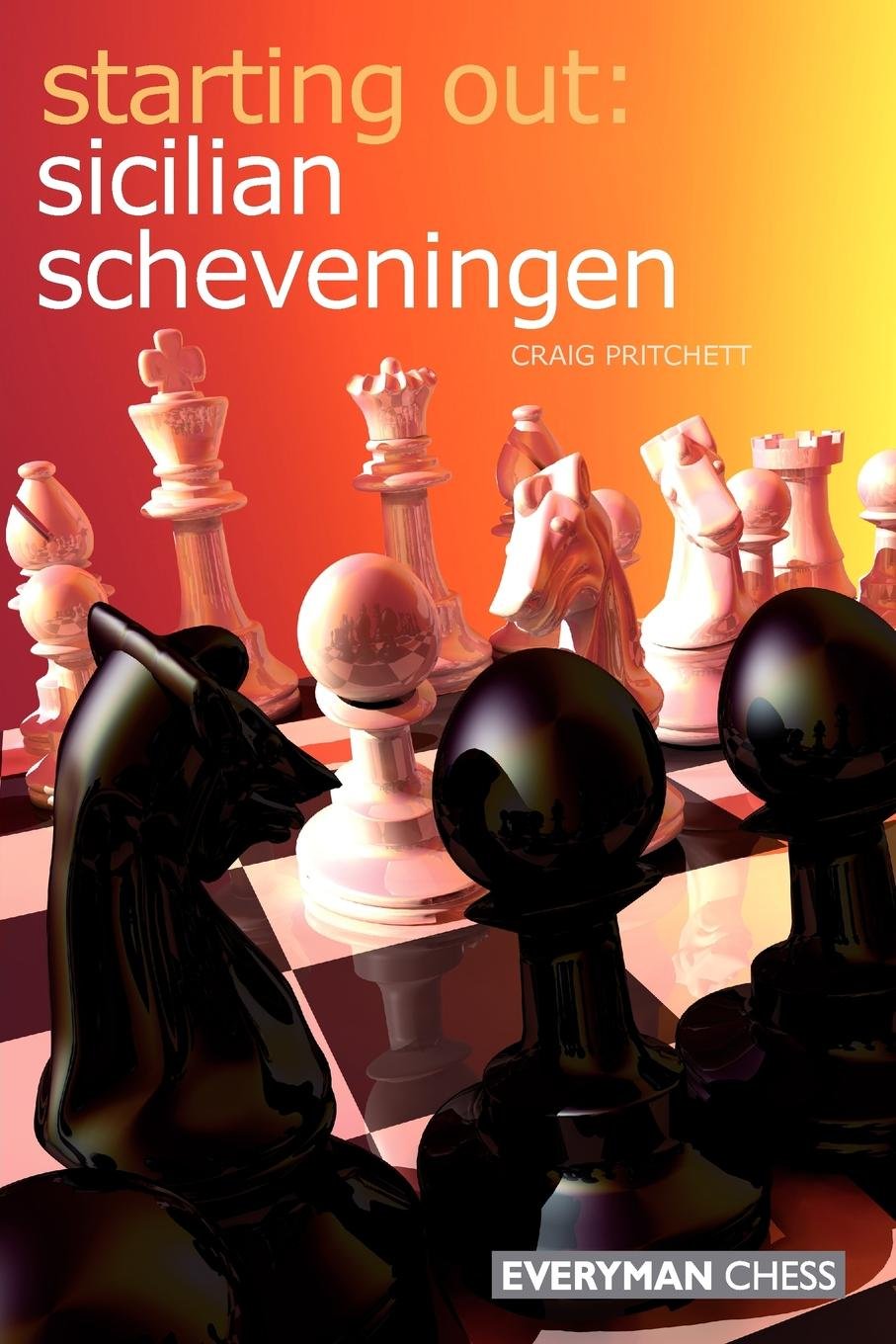
We send birthday wishes to IM Craig Pritchett who was born this day, January 15th in 1949.
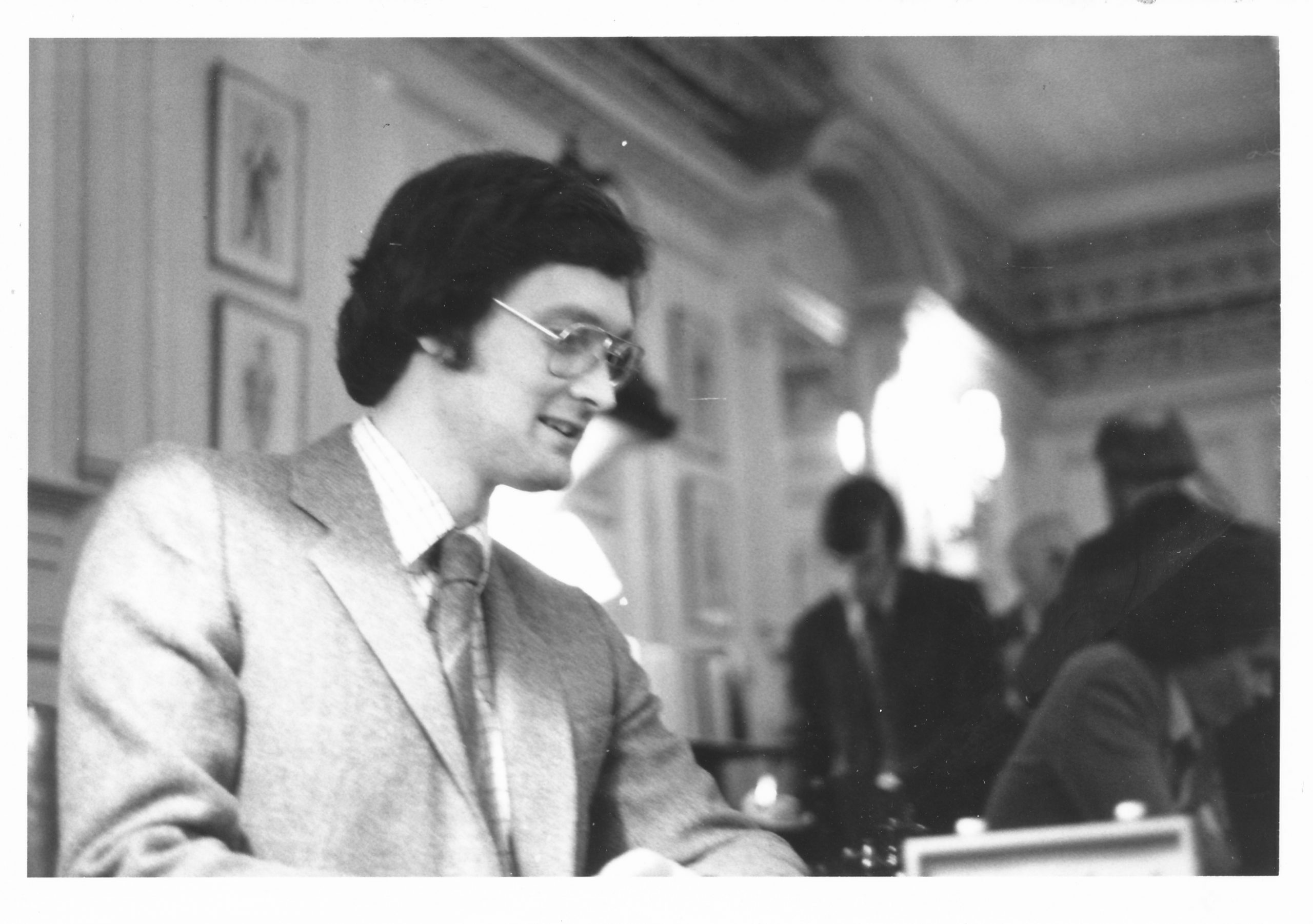
Here is his Wikipedia entry
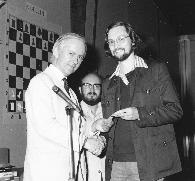
From The Encyclopedia of Chess by Harry Golombek :
Scottish international master and teacher. Prtichett, probably the strongest native-born Scottish player since the days of Captain Mackenzie in the nineteenth century, has represented Scotland with success in five Olympiads : 1966, 1970, 1972, 1974 and 1976. He has also played for Scotland in the Students Olympiads of 1968, 1969 and 1970.
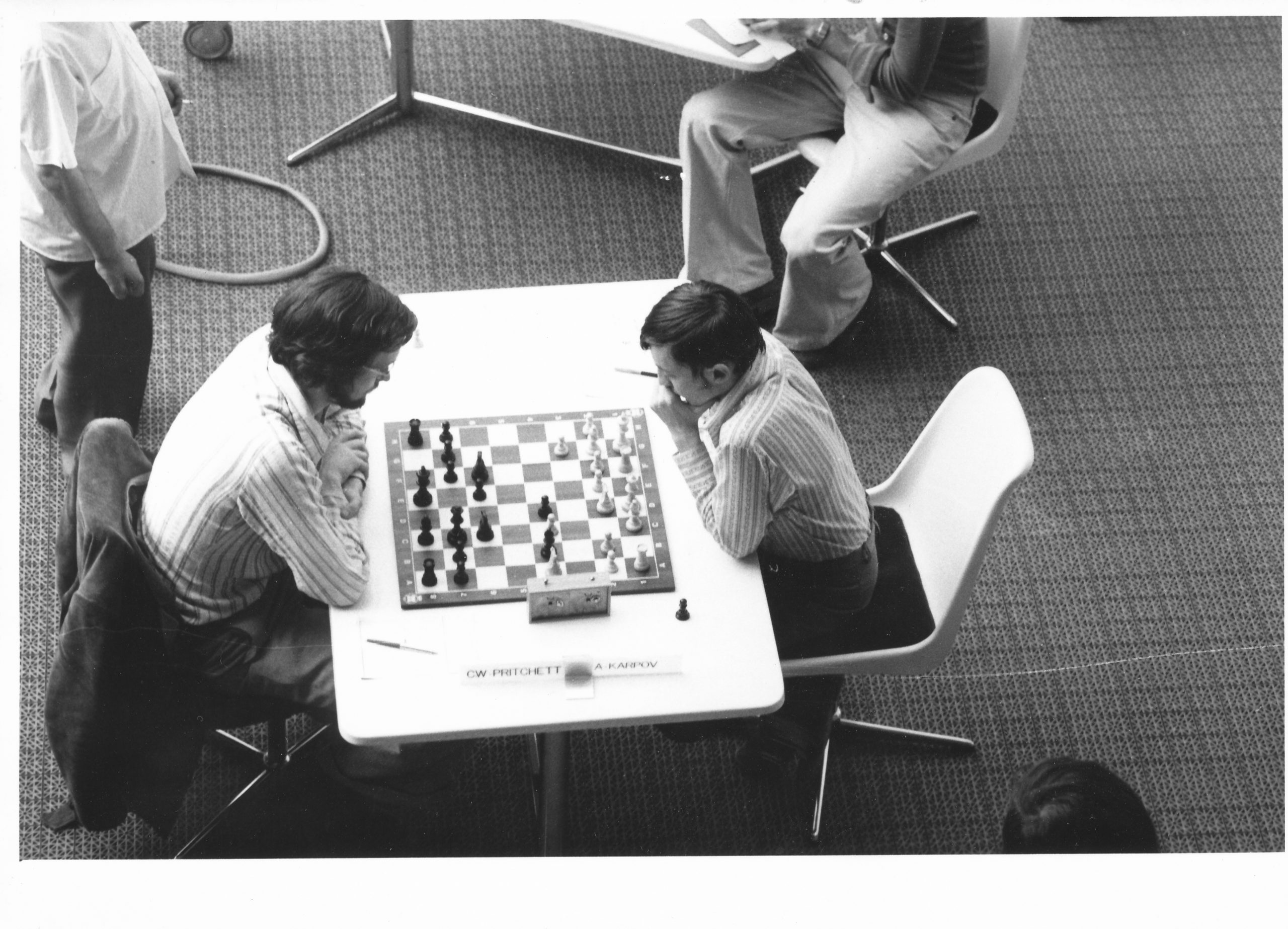
His first individual success was in the European Junior Championship in Groningen 1969/70 where he came -3rd with Belyavsky. At Decin (Czechoslovakia) 1974 he came 1st in the Masters B section.
He obtained the first part of an international master norm at the Nice Olympiad in 1974 where he scored 60% on top board. In 1975 he again achieved a master norm at the strong Pula Zonal tournament where he came -7th/14.
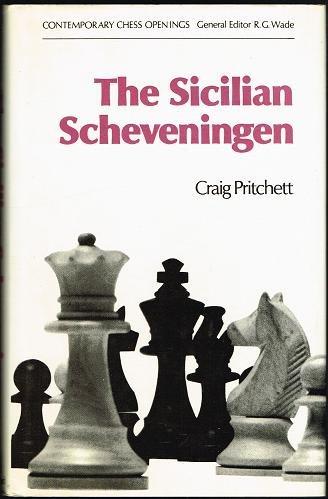
He was chess correspondent of the Glasgow Herald and author of The Sicilian Scheveningen, Batsford, London, 1977. (article by Harry Golombek)
 Save as PDF