Tag Archives: 2020

Birthday of GM Michael Stean (04-ix-1953)

We send best wishes to GM Michael Stean on his birthday,

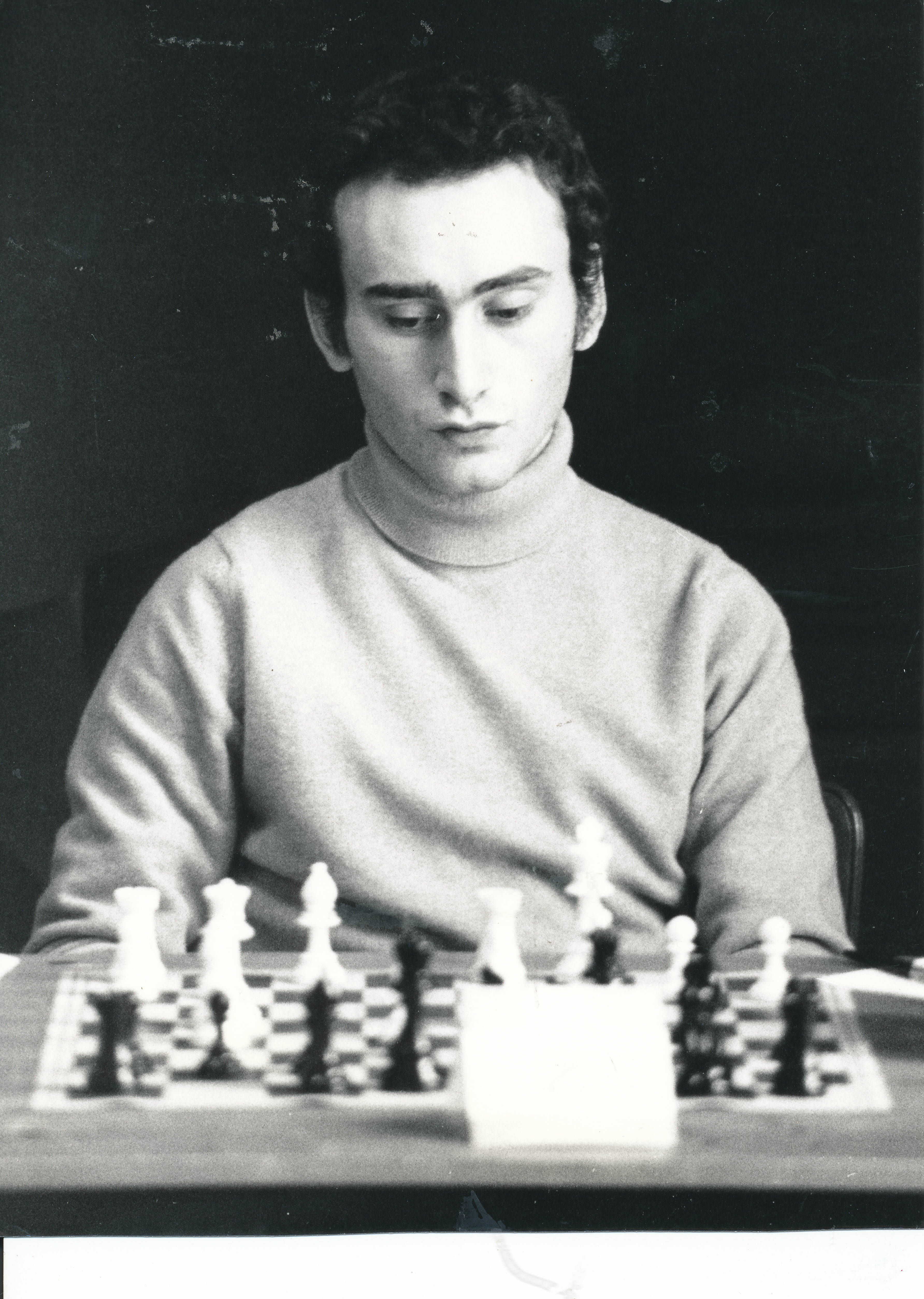
Michael Francis Stean was born Michael Francis Stein on Friday, September 4th, 1953 in Pancras, London. His mother’s maiden name was Feldman. Michael has a brother, Howard.
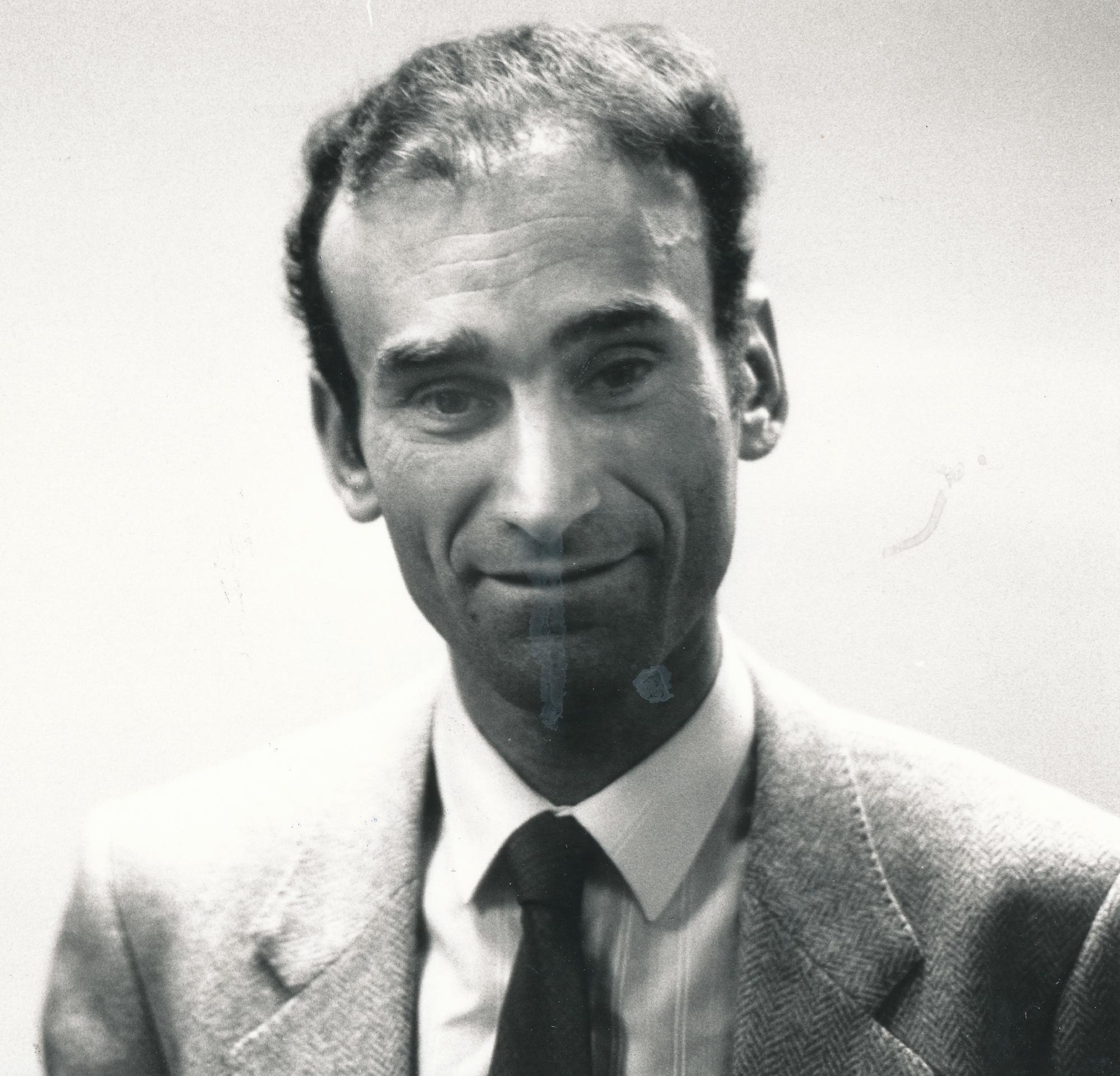
Michael Stean
Michael Stean

He attended Latymer Upper School and Cambridge University.

His early chess days were spent at Richmond Junior Chess Club.

He became an International Master in 1975 and England’s third (OTB) Grandmaster in 1977 winning £2,500 from the Jim Slater Foundation.

His peak FIDE rating was 2540 in January 1979.

His mother (Jean) presented a trophy to the Marlow Congress (now the Berks and Bucks Congress) which became the Mrs. Jean Stean Cup.
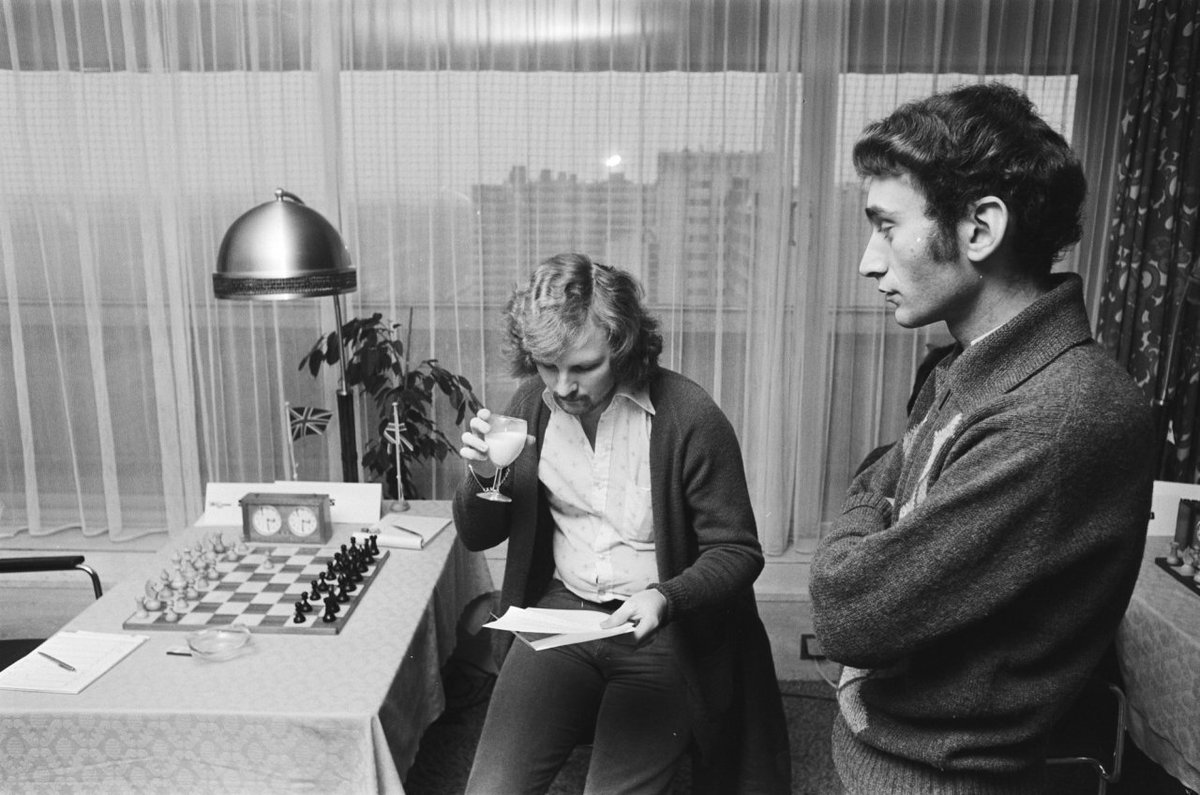
Tony Miles and Michael Stean at the FIDE Zonal in Amsterdam, 1978. (Source: http://gahetna.nl)

According to British Chess (Pergamon, 1983) by Botterill, Levy, Rice and Richardson :

“Stean was educated at Cambridge University, He was equal first in the British Championship, Clacton, 1974, although only 4th in the playoff. He has been an important member of Korchnoi’s team for the last 5 years, and this perhaps has been responsible more than anything for the rounding out and maturing of his style from the sharp tactical play of the early 1970s to the solid positional GM (especially with the White pieces) of today.
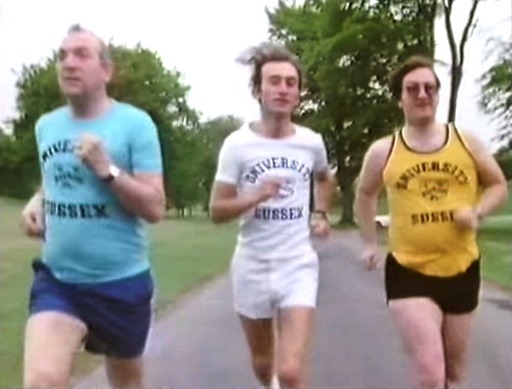
Korchnoi, Stean and Keene try out matching vests and T-shirts from The University of Sussex sports centre, Falmer, East Sussex. It is likely that the yellow one was only worn for this press photo shoot.

Stean is a fine author; Simple Chess and the Sicilian Najdorf are both excellent books.
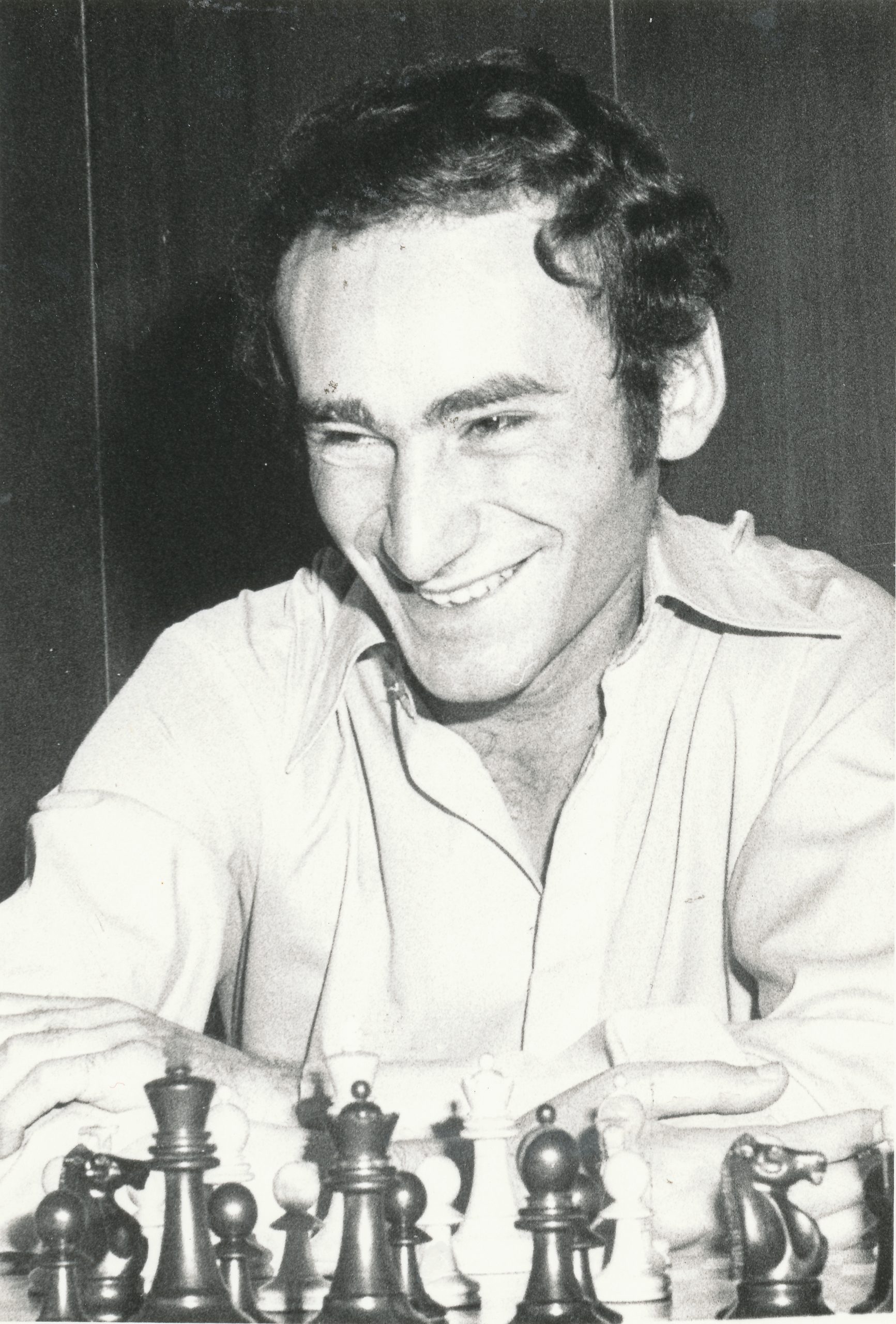
Michael Stean at the 1977 Lord John Cup

Temperamentally he is generally pleasant, good humoured and self confident, although he suffers from intermittent poor health which might help to explain his at times erratic results.”

According to Chessgames.com :

“Michael Francis Stean was born on the 4th of September 1953 in London, England. He finished 3rd at the 1973 World Junior Chess Championships behind Alexander Beliavsky and Tony Miles. Awarded the IM title in 1975 and the GM title in 1977 (The third Englishman to attain the title after Miles and Keene).

He finished 1st= in the 1974 British Championship but lost the play-off. He played on 5 English Olympiad teams from 1974 – 1983 and has won 1st prizes at Vrsac 1979, Smederevska Palanka 1980 and Beer Sheba 1982.

A specialist in Opening Theory he served as one of Viktor Korchnoi’s seconds in the 1977 – 1981 period. He is the author of Simple Chess, an introduction to chess strategy.”
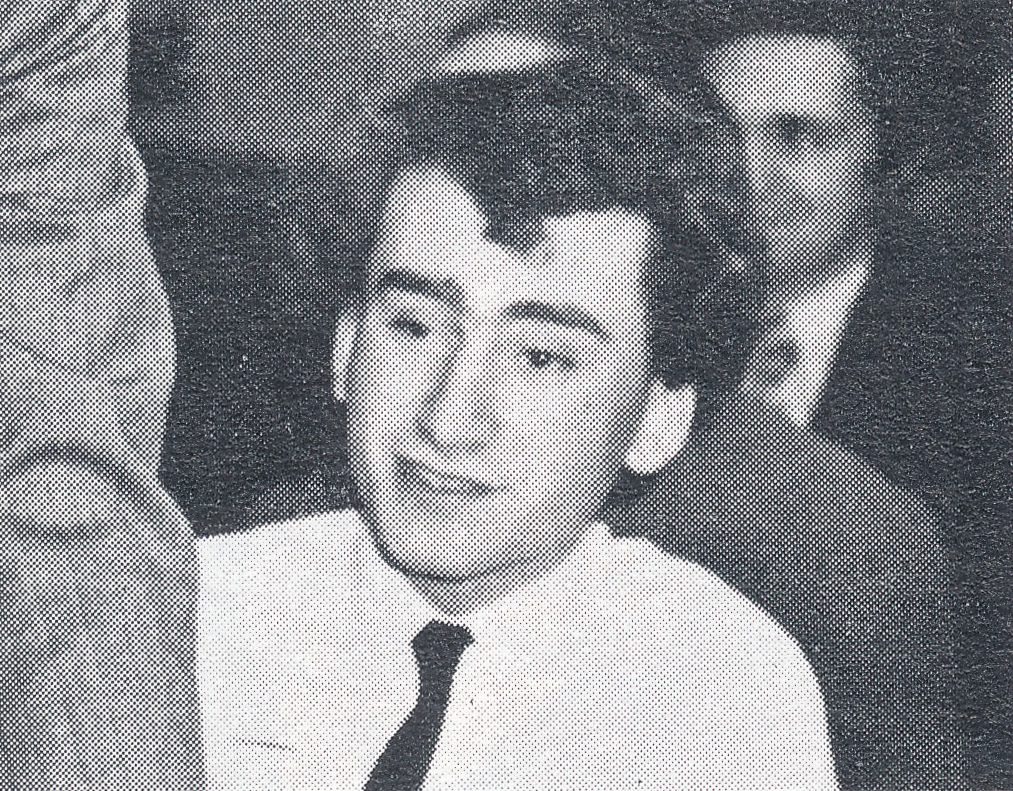
Mchael Stean, Hastings 1972-1973. Source : British Chess Magazine, Volume 93, Number 2, page 53
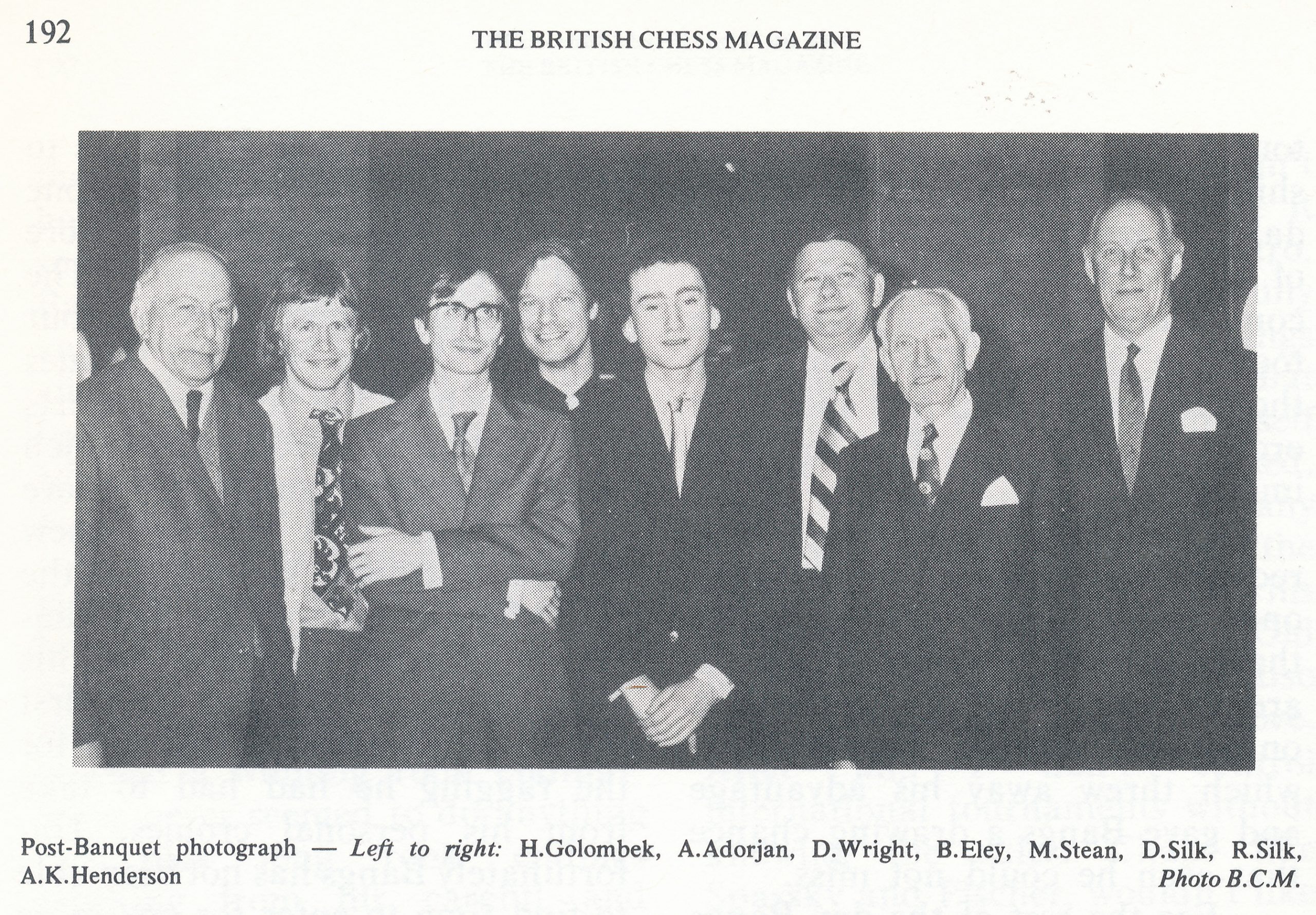
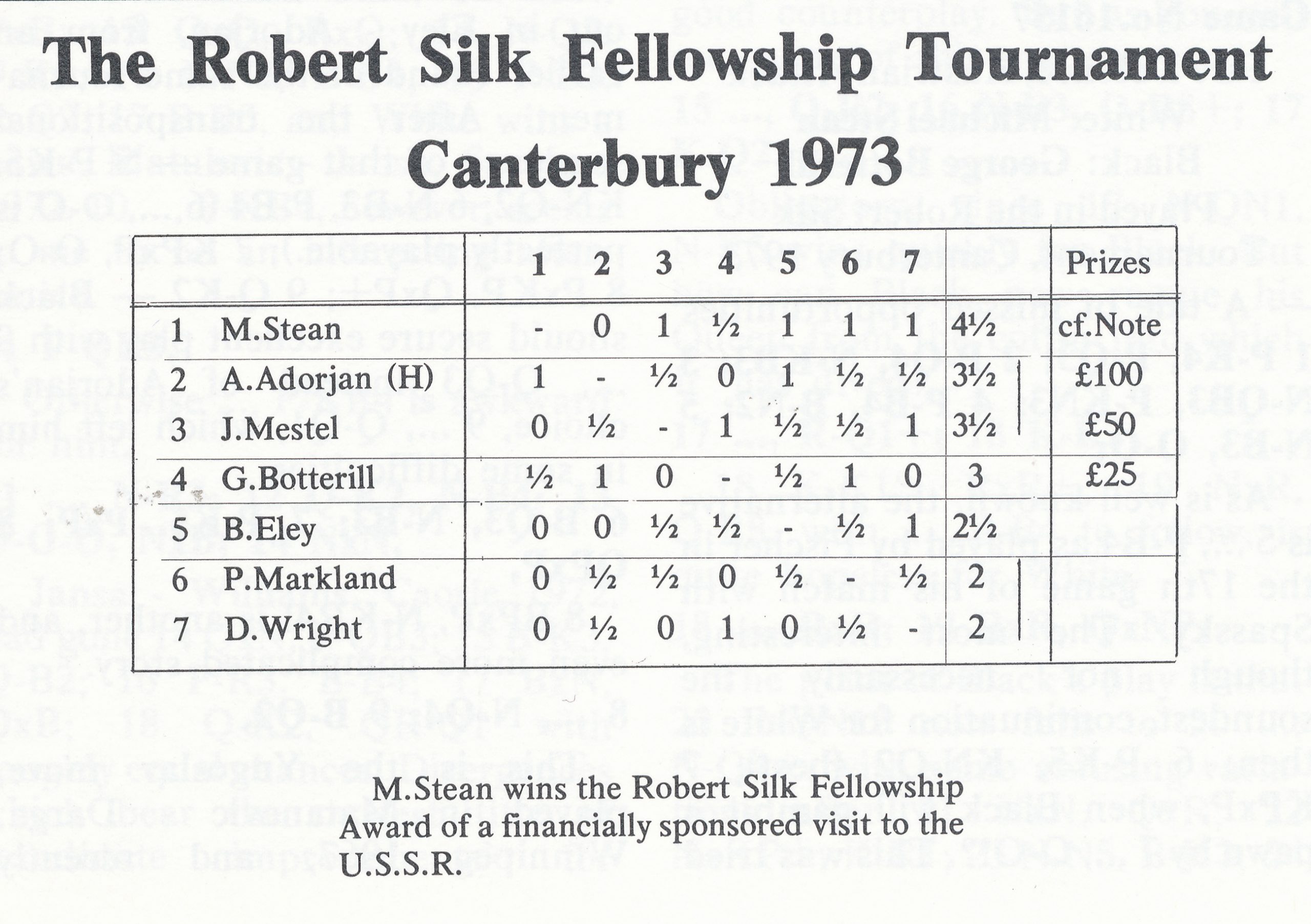
The Robert Silk Fellowship Tournament, Canterbury, 1973. Source : British Chess Magazine, Volume 93, Number 5, page 192
Post-banquet photograph - left to right : Harry Golombek, Andras Adorjan, Danny Wright, Brian Eley, Michael Stean, D. Silk, Robert Silk, AK Henderson. The Robert Silk Fellowship Tournament, Canterbury, 1973. Source : British Chess Magazine, Volume 93, Number 5, page 192
Post-banquet photograph – left to right : Harry Golombek, Andras Adorjan, Danny Wright, Brian Eley, Michael Stean, D. Silk, Robert Silk, AK Henderson. The Robert Silk Fellowship Tournament, Canterbury, 1973. Source : British Chess Magazine, Volume 93, Number 5, page 192

Harry Golombek wrote this about Michael in a 1980 Dataday chess diary :

“The fact that he has sprung up into second place among English players as regards Elo ratings demonstrates the considerable advance Michael Stean has made in the course of a year.
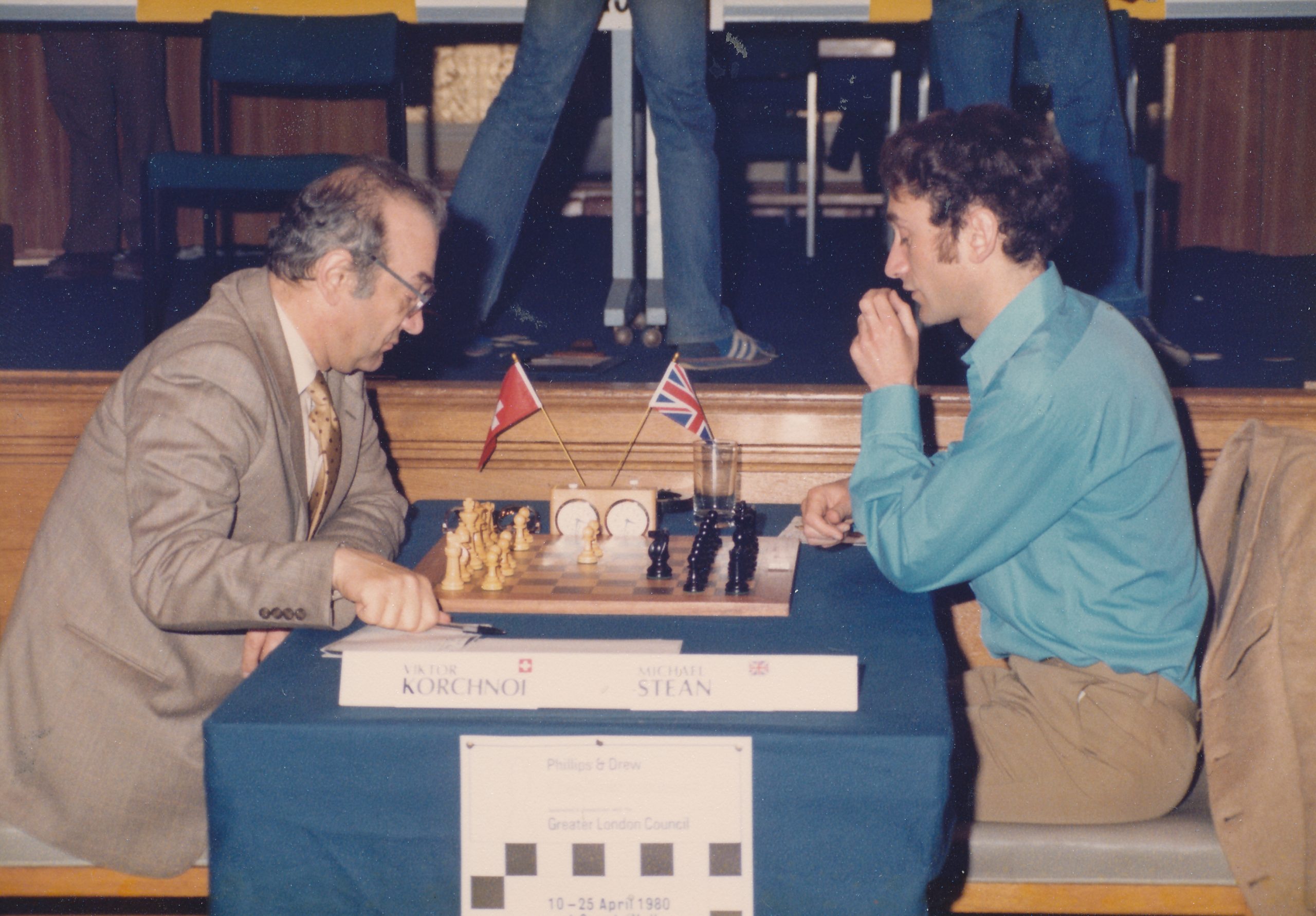
Korchnoi vs Stean at the Philips & Drew Masters of 1980. The game was drawn in 19 moves.

In the 1978 diary I wrote that it would not be long before he gained the grandmaster title since he already possessed one norm of the title. The forecast proved to be correct as he duly acquired the title a few months after I wrote the prophecy.

He had though to take two more bites at the cherry before he managed to gain the required norms since the tournaments in which he played were not long events. They were Montilla in August 1977 where he came third below Gligoric and Kavalek and the Lord John Cup Tournament in London in September 1977 where he was equal 2nd with Quinteros and Mestel, first place being occupied by the Czechoslovak grandmaster, Hort.
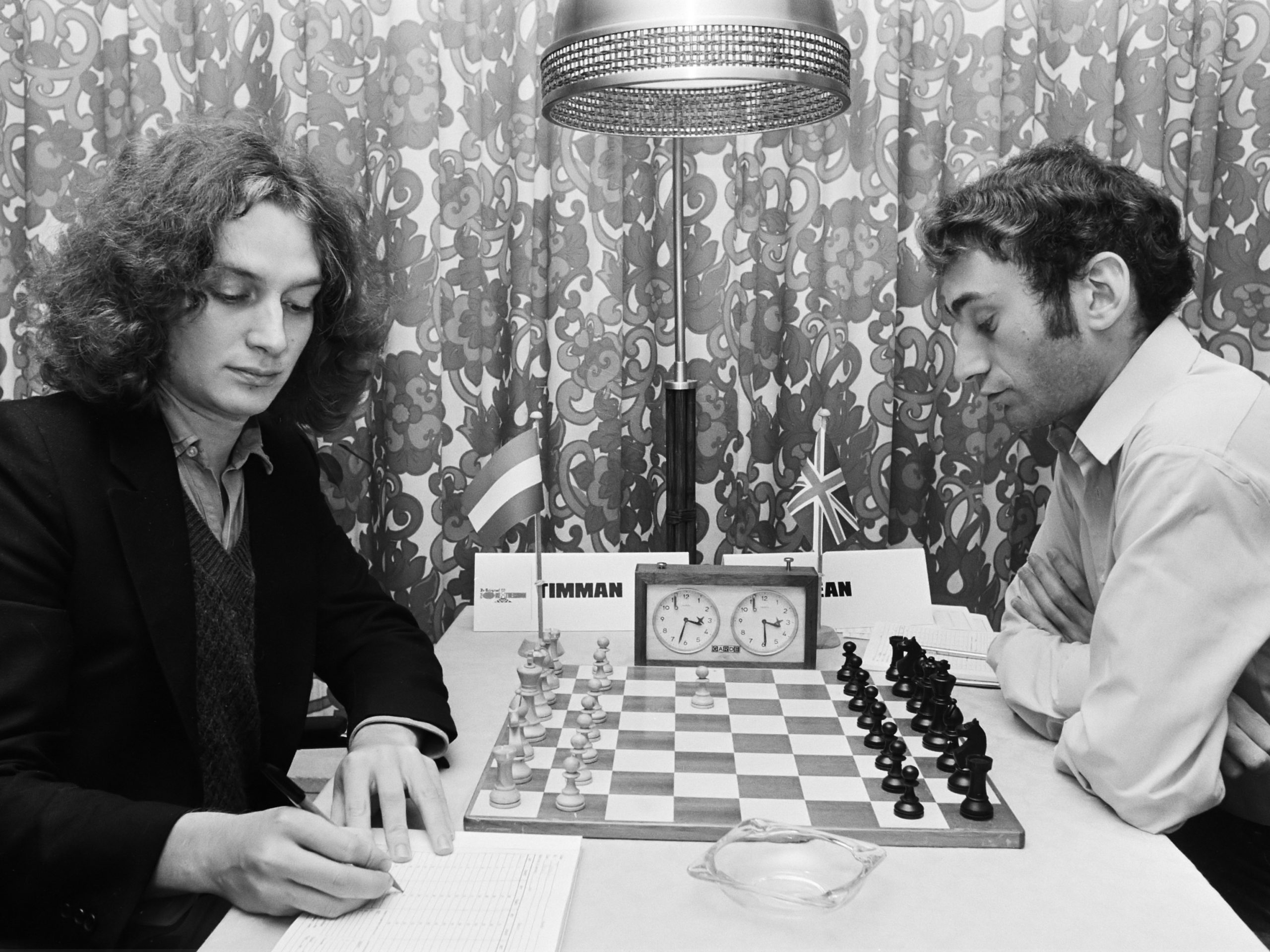
Jan Timman plays Michael Stean at the 1978 Amsterdam FIDE Zonal. The Dutch GM won in 39 moves.

Before that he had assisted Keene in seconding Korchnoi in his candidates match versus Polugayevsky and had done this to such effect that Korchnoi asked him and Keene to act as his seconds at his final match in the Candidates at Belgrade and later on still at the World Championship match against Karpov in the Philippines.
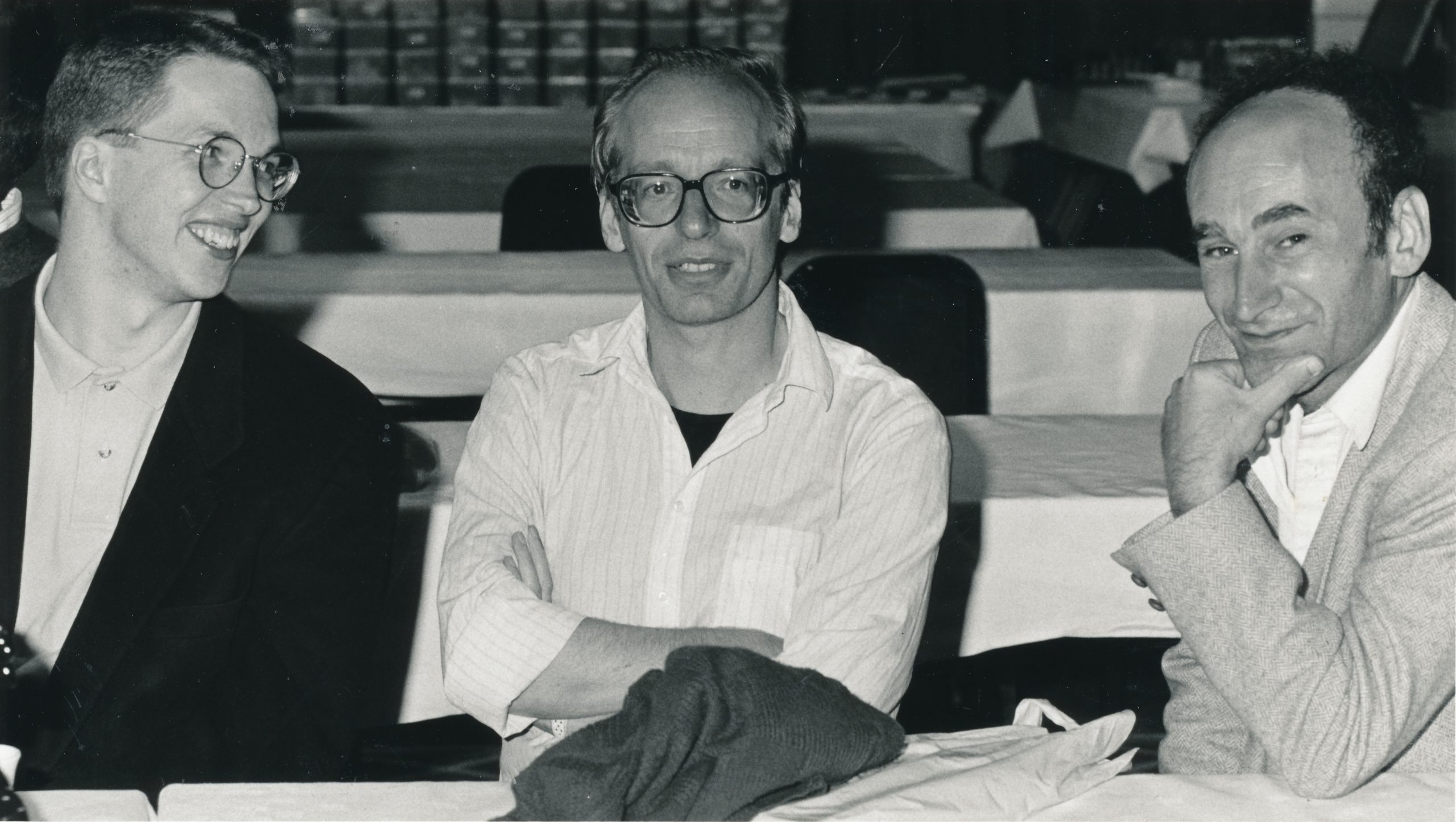
Nigel Short, Lubomir Kavalek and Michael Stean

He also played successfully in Yugoslavia in 1977 (equal 2nd at Virovitica and equal 2nd at Bar). In 1978 he was 3rd at Beersheba below Korchnoi but head of Keene. Five points out of nine at the very strong Swiss System tournament at Lone Pine was followed by an excellent equal 4th with Miles at the tournament at Las Palmas. He has shown that he not only possesses the title of grandmaster but also plays like one.
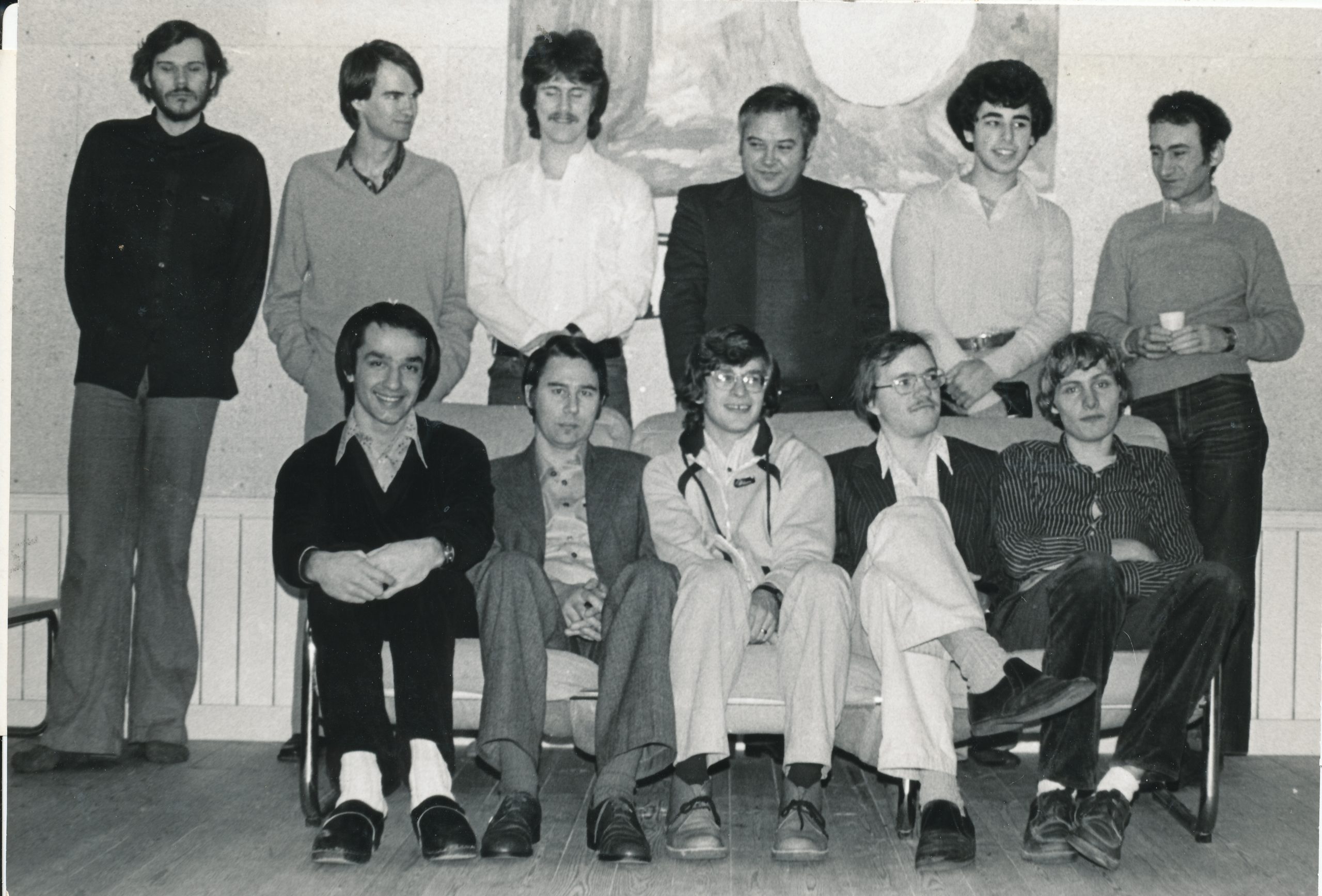
Michael Stean (far right) at an unknown event

A good example in the following game (Stean-Sax) against one of the joint first prize winners at the Las Palmas event. It was awarded the prize for the best game :”

From The Oxford Companion to Chess (OUP, 1984) by Hooper & Whyld :

“English player, International Grandmaster (1977). At Nice 1974, in the first of his several Olympiads, he won the brilliancy prize for his game against
Browne.

Since then he has had several good results: Montilia 1976, equal second with Kavalek and Ricardo Calvo (1943— ) after Karpov; Montilia 1977, third (-1-3 = 6)after Gligoric and Kavalek ahead of R. Byrne, Taimanov, and Andersson; London 1977. second (+4=4—1) equal with Mestel and Quinteros after Hort ; Vrsac 1979, first (+ 8=5—1); Smederevska Palanka 1980, first (+7-6); Beersheba 1982, first, Stean was one of Korchnoi’s seconds in the world championship cycles of 1977-8 and 1980-1, and the two became close friends.

In particular Stean provided help with the openings, a subject on which he specialises. He published a book on the Najdorf variation of the Sicilian defence in 1976, and Simple Chess, a guide to the understanding of positional ideas, in 1978.”
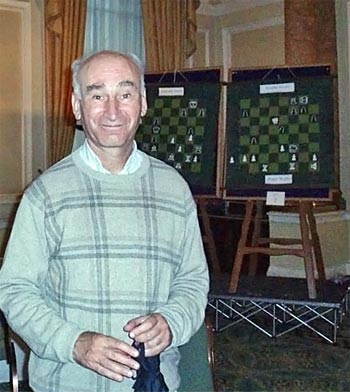
GM Michael Stean
GM Michael Stean

From Wikipedia :

“Michael Francis Stean (born 4 September 1953) is an English chess grandmaster, an author of chess books and a tax accountant.
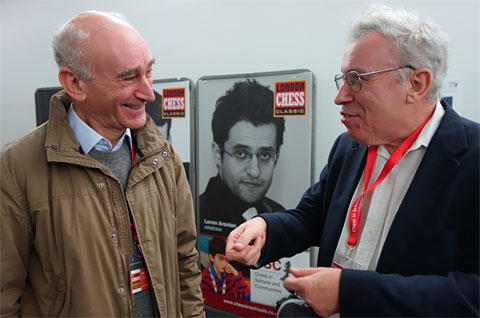
Michael Stean chats with David Levy at the London Chess Classic

The game below (Stean-Browne) was the first winner of the World Brilliancy Prize established in 1974 by Isador Samuel Turover. The value of the prize was $1,000.”

See Michael Stean’s Wikipedia entry for more
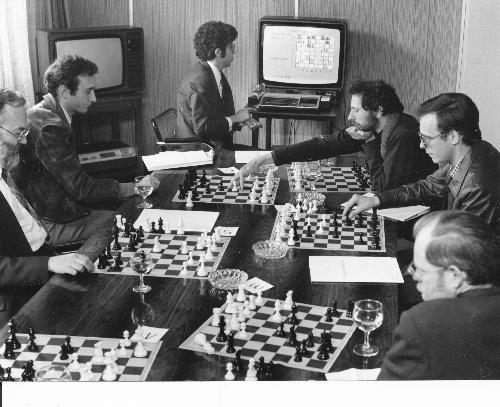
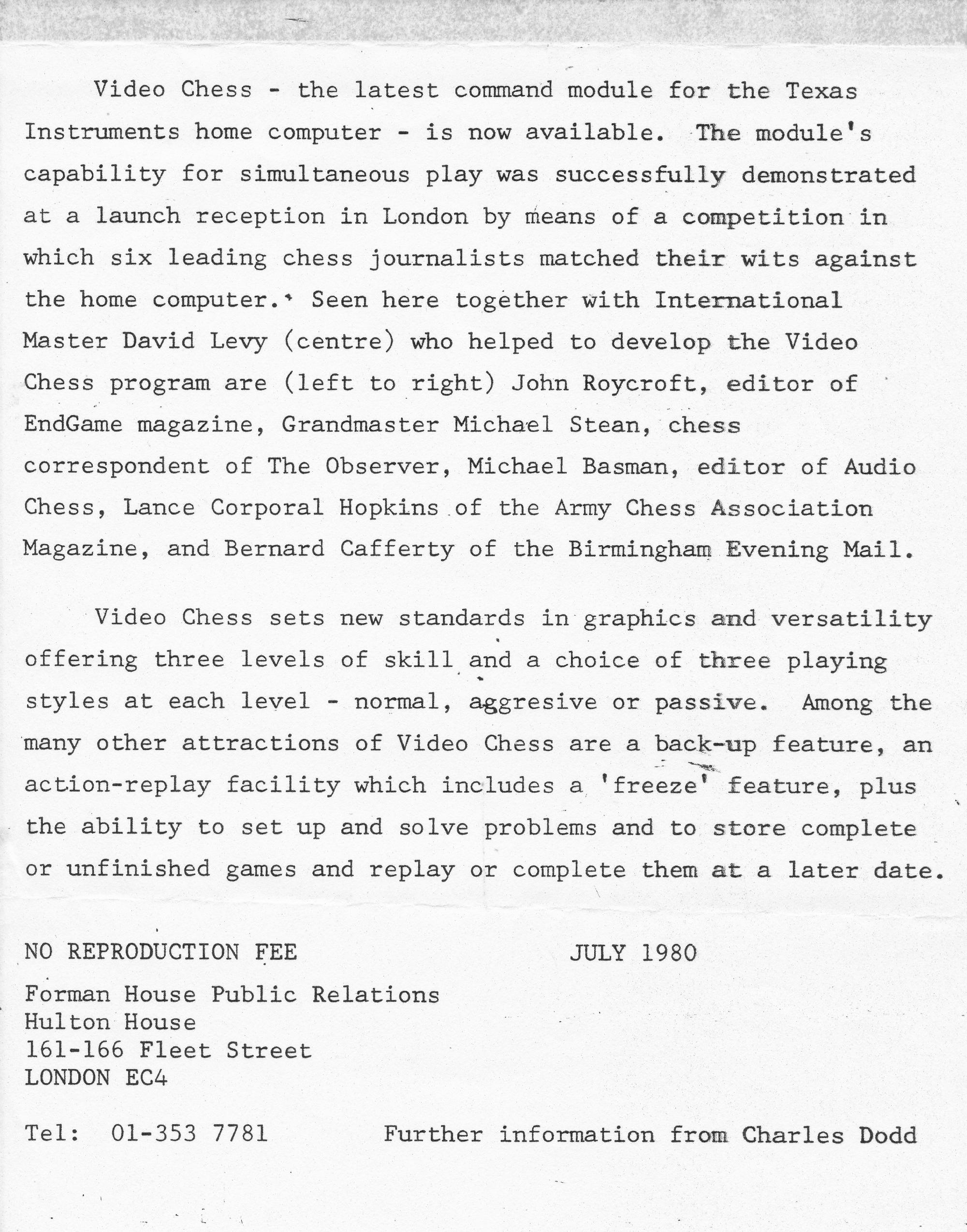
Video Chess Event (See caption below)
Video Chess Caption
Video Chess Caption

In 1983 at the height of his powers Michael left the chess work and became a tax accountant. He is now a senior partner at RSM UK.
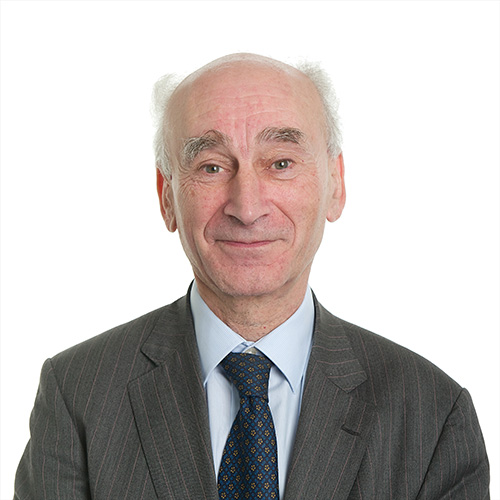
Mchael Stean, tax accountant
Michael Francis Stean
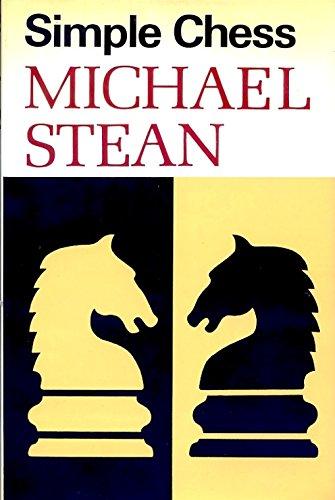
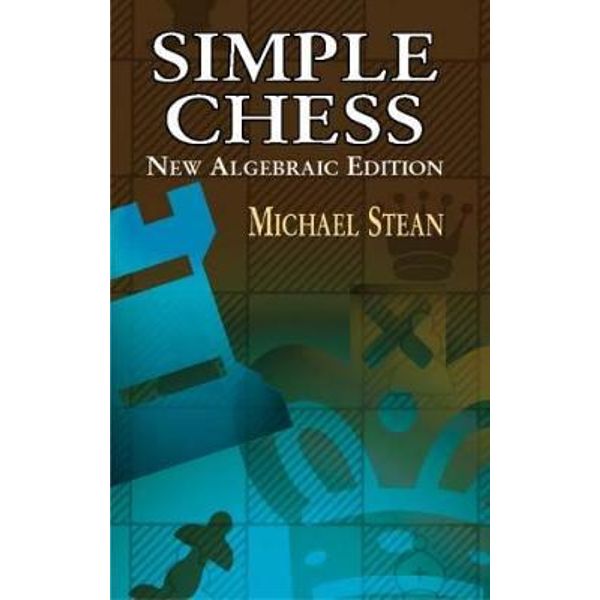
Simple Chess by Michael Stean
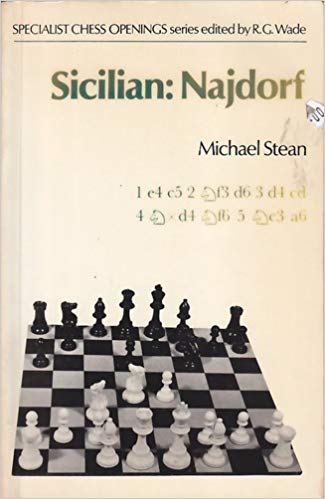
Sicilian Najdorf by Michael Stean
Simple Chess by Michael Stean

Death Anniversary for IM Imre König (09-ii-1901 09-ix-1992)

Death Anniversary for IM Imre König (09-ii-1901 09-ix-1992)

From The Anglo-Soviet Radio Chess Match by E.Klein and W.Winter :

“Born in 1901 in Hungary when it still belonged to the old pre-World War I Austria, spent most of his life in Vienna, where he became a promising player at an early age. After World War I and the various geographical adjustments in the map of Europe, he became Yugoslav by nationality and represented that country three times in international team tournaments.

He has competed in a great number of international tournaments, some of them in this country, where he has lived since 1938. He won the Premier Reserves at Hastings, 1938, in a strong international field, finished fourth and fifth with the late Landau at Bournemouth, 1939, and shared first and second prizes with Milner-Barry in the National Chess Centre tournament, 1939. His last performance was in the London International Tournament, 1946, where he shared fourth, fifth and sixth places with Sir George Thomas and Gerald Abrahams. He is now a professional player.

König’s special strength lies in the openings, of which he has a deep knowledge.”

Imre König
Imre König

From The Encyclopedia of Chess (Robert Hale, 1970 & 1976) by Anne Sunnucks :

“International Master (1951). Born in Kula, Hungary (now Serbia). König became a Yugoslav citizen when the territory in which he lived was ceded to Yugoslavia after the First World War. In 1938 he emigrated to England and became a naturalised British subject in 1949. He found that the English climate affected his health and in 1953 went to live in the USA.

König learnt to play chess when he was 10. In 1920, while studying at Vienna University, he met Spielmann, Tartakover and Réti, and became became interested in the hypermodern school of chess, which they represented.

He played for Yugoslavia in the chess Olympiads of 1931 and 1935 and came 2nd in the Yugoslav national tournament of 1922. His results in international tournaments include =4th at Bournemouth 1939; =4th at London 1946 and 2nd at Hastings 1948-49. These results do not do justice to his strength as a player. He was handicapped by a poor temperament for tournament chess, which prevented him from achieving greater success in the international field.

A chess professional, König was a first-class teacher of the game (Anne was a student of his), as well as being a leading theoretician. He is author of The Queen’s Indian Defence (Pitman, 1947) and Chess from Morphy to Botvinnik (Bell, 1951).”

From The Encyclopedia of Chess (Batsford, 1977) by Harry Golombek :

“An international master since 1951, born at Gyula in Austro-Hungary. After the first world war König became a Yugoslav citizen and represented that country in the Olympiads of 1931 and 1935. He emigrated to England in 1938 and was naturalised in 1949. Since 1953 he has resided in the USA. Tournament results include 2nd prize at Hastings 1948/9. His publications include a monograph on the Queen’s Indian Defence, London 1947, and a longer work, Chess from Morphy to Botvinnik, London, 1951 ”

Hooper & Whyld are silent on König for some strange reason.

From Wikipedia :

“Imre König (Koenig) aka Mirko Kenig (Sept 2, 1901, Gyula, Hungary – 1992, Santa Monica, California) was a Hungarian chess master.

He was born in Gyula, Hungary, and also lived in Austria, England and the USA during the troubled times between the two world wars.

In 1921, he took 2nd in Celje. In 1920s König played in several tournaments in Vienna; he was 3rd in 1921, 14th in 1922 (Akiba Rubinstein won), 3rd-4th in 1925, 4-5th in 1926 (Rudolf Spielmann won), and 3rd-5th in 1926. He took 12th in Rogaška Slatina (Rohitsch-Sauerbrunn) in 1929. The event was won by Rubinstein. In 1929/30, he took 7th in Vienna (Hans Kmoch and Spielmann won). In 1931, he took 4th in Vienna (Albert Becker won). In 1936, he tied for 6-7th in Novi Sad (Vasja Pirc won). In 1937, he tied for 2nd-4th in Belgrade (Vasilije Tomović won).

Mirko Kenig represented Yugoslavia in the 4th Chess Olympiad at Prague 1931 (+5 –1 =2), the 6th Chess Olympiad at Warsaw 1935 (+5 –2 =8),[2] and in 3rd unofficial Chess Olympiad at Munich 1936 (+7 –4 =7).”

“In 1938, Imre König emigrated to England. In 1939, he tied for 4-5th in Bournemouth (Max Euwe won), and shared 1st with Philip Stuart Milner-Barry in Hampstead. In 1946, he took 4th in London. In 1948/49, he took 2nd, behind Nicolas Rossolimo, in the Hastings International Chess Congress.

In 1949, he became a naturalized British citizen. However, in 1953 he moved to the United States.

König was awarded the International Master title in 1951.”

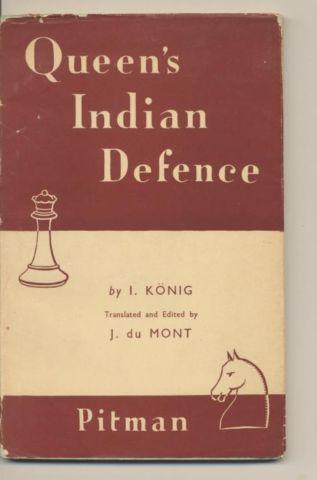
Queen's Indian Defence, König, Pitman, 1947
Queen’s Indian Defence, König, Pitman, 1947
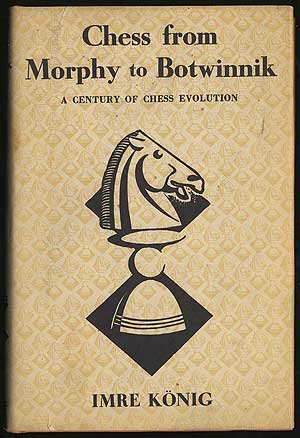
Chess from Morphy to Botwinnik by Imre König
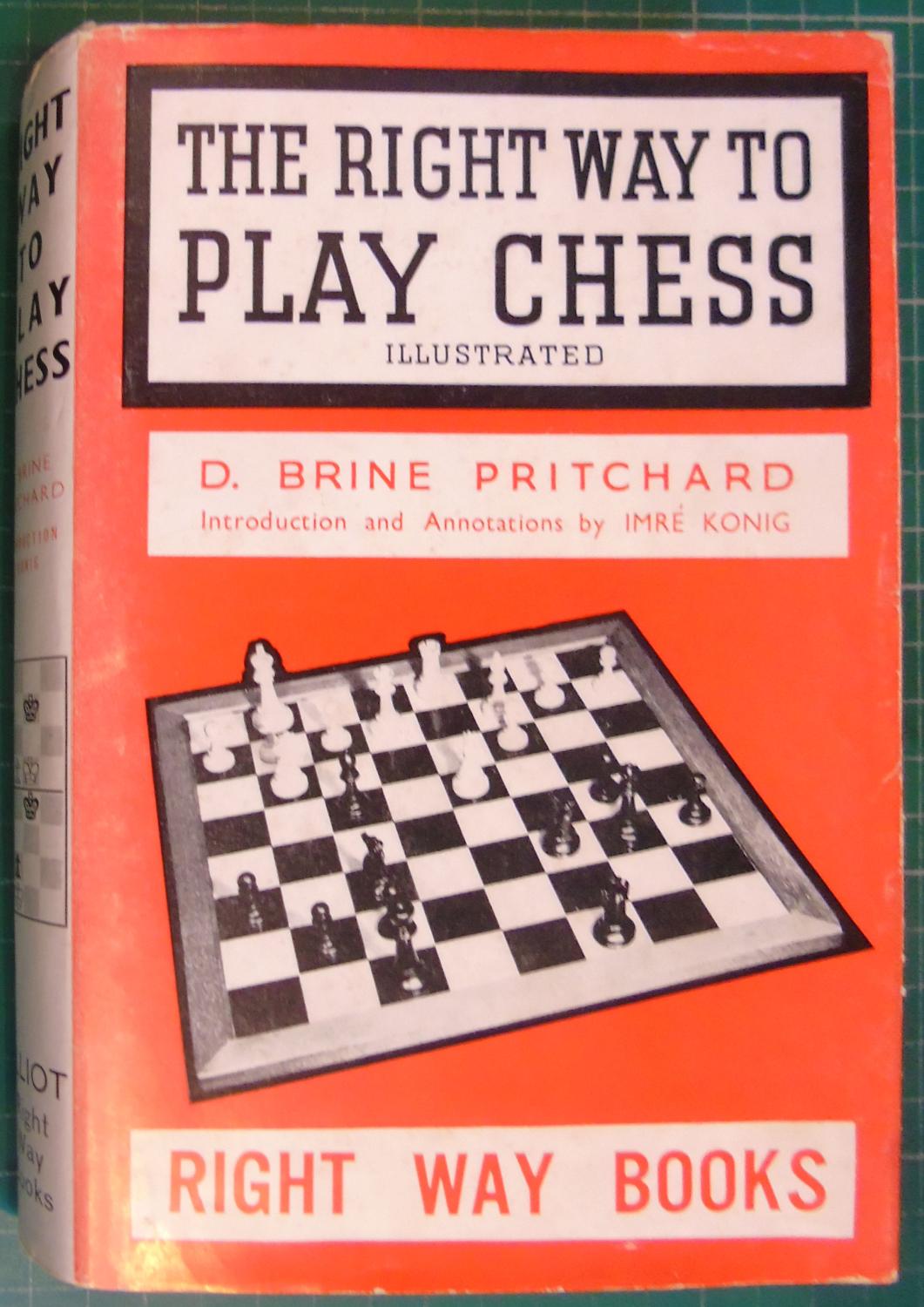
The Right Way to Play Chess
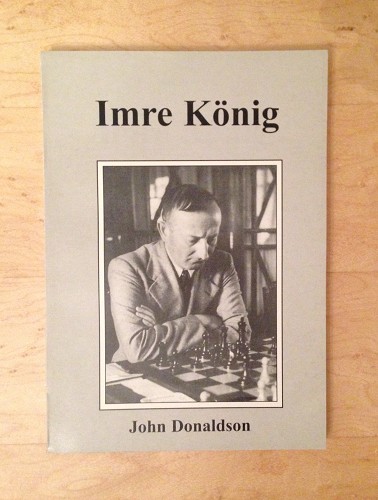
Imre König by John Donaldson

Death Anniversary for IM Imre König (09-ii-1901 09-ix-1992)

Death Anniversary for IM Imre König (09-ii-1901 09-ix-1992)

From The Anglo-Soviet Radio Chess Match by E.Klein and W.Winter :

“Born in 1901 in Hungary when it still belonged to the old pre-World War I Austria, spent most of his life in Vienna, where he became a promising player at an early age. After World War I and the various geographical adjustments in the map of Europe, he became Yugoslav by nationality and represented that country three times in international team tournaments.

He has competed in a great number of international tournaments, some of them in this country, where he has lived since 1938. He won the Premier Reserves at Hastings, 1938, in a strong international field, finished fourth and fifth with the late Landau at Bournemouth, 1939, and shared first and second prizes with Milner-Barry in the National Chess Centre tournament, 1939. His last performance was in the London International Tournament, 1946, where he shared fourth, fifth and sixth places with Sir George Thomas and Gerald Abrahams. He is now a professional player.

König’s special strength lies in the openings, of which he has a deep knowledge.”

Imre König
Imre König

From The Encyclopedia of Chess (Robert Hale, 1970 & 1976) by Anne Sunnucks :

“International Master (1951). Born in Kula, Hungary (now Serbia). König became a Yugoslav citizen when the territory in which he lived was ceded to Yugoslavia after the First World War. In 1938 he emigrated to England and became a naturalised British subject in 1949. He found that the English climate affected his health and in 1953 went to live in the USA.

König learnt to play chess when he was 10. In 1920, while studying at Vienna University, he met Spielmann, Tartakover and Réti, and became became interested in the hypermodern school of chess, which they represented.

He played for Yugoslavia in the chess Olympiads of 1931 and 1935 and came 2nd in the Yugoslav national tournament of 1922. His results in international tournaments include =4th at Bournemouth 1939; =4th at London 1946 and 2nd at Hastings 1948-49. These results do not do justice to his strength as a player. He was handicapped by a poor temperament for tournament chess, which prevented him from achieving greater success in the international field.

A chess professional, König was a first-class teacher of the game (Anne was a student of his), as well as being a leading theoretician. He is author of The Queen’s Indian Defence (Pitman, 1947) and Chess from Morphy to Botvinnik (Bell, 1951).”

From The Encyclopedia of Chess (Batsford, 1977) by Harry Golombek :

“An international master since 1951, born at Gyula in Austro-Hungary. After the first world war König became a Yugoslav citizen and represented that country in the Olympiads of 1931 and 1935. He emigrated to England in 1938 and was naturalised in 1949. Since 1953 he has resided in the USA. Tournament results include 2nd prize at Hastings 1948/9. His publications include a monograph on the Queen’s Indian Defence, London 1947, and a longer work, Chess from Morphy to Botvinnik, London, 1951 ”

Hooper & Whyld are silent on König for some strange reason.

From Wikipedia :

“Imre König (Koenig) aka Mirko Kenig (Sept 2, 1901, Gyula, Hungary – 1992, Santa Monica, California) was a Hungarian chess master.

He was born in Gyula, Hungary, and also lived in Austria, England and the USA during the troubled times between the two world wars.

In 1921, he took 2nd in Celje. In 1920s König played in several tournaments in Vienna; he was 3rd in 1921, 14th in 1922 (Akiba Rubinstein won), 3rd-4th in 1925, 4-5th in 1926 (Rudolf Spielmann won), and 3rd-5th in 1926. He took 12th in Rogaška Slatina (Rohitsch-Sauerbrunn) in 1929. The event was won by Rubinstein. In 1929/30, he took 7th in Vienna (Hans Kmoch and Spielmann won). In 1931, he took 4th in Vienna (Albert Becker won). In 1936, he tied for 6-7th in Novi Sad (Vasja Pirc won). In 1937, he tied for 2nd-4th in Belgrade (Vasilije Tomović won).

Mirko Kenig represented Yugoslavia in the 4th Chess Olympiad at Prague 1931 (+5 –1 =2), the 6th Chess Olympiad at Warsaw 1935 (+5 –2 =8),[2] and in 3rd unofficial Chess Olympiad at Munich 1936 (+7 –4 =7).”

“In 1938, Imre König emigrated to England. In 1939, he tied for 4-5th in Bournemouth (Max Euwe won), and shared 1st with Philip Stuart Milner-Barry in Hampstead. In 1946, he took 4th in London. In 1948/49, he took 2nd, behind Nicolas Rossolimo, in the Hastings International Chess Congress.

In 1949, he became a naturalized British citizen. However, in 1953 he moved to the United States.

König was awarded the International Master title in 1951.”

Queen's Indian Defence, König, Pitman, 1947
Queen’s Indian Defence, König, Pitman, 1947
Chess from Morphy to Botwinnik by Imre König
The Right Way to Play Chess
Imre König by John Donaldson

Death Anniversary for IM Imre König (09-ii-1901 09-ix-1992)

Death Anniversary for IM Imre König (09-ii-1901 09-ix-1992)

From The Anglo-Soviet Radio Chess Match by E.Klein and W.Winter :

“Born in 1901 in Hungary when it still belonged to the old pre-World War I Austria, spent most of his life in Vienna, where he became a promising player at an early age. After World War I and the various geographical adjustments in the map of Europe, he became Yugoslav by nationality and represented that country three times in international team tournaments.

He has competed in a great number of international tournaments, some of them in this country, where he has lived since 1938. He won the Premier Reserves at Hastings, 1938, in a strong international field, finished fourth and fifth with the late Landau at Bournemouth, 1939, and shared first and second prizes with Milner-Barry in the National Chess Centre tournament, 1939. His last performance was in the London International Tournament, 1946, where he shared fourth, fifth and sixth places with Sir George Thomas and Gerald Abrahams. He is now a professional player.

König’s special strength lies in the openings, of which he has a deep knowledge.”

Imre König
Imre König

From The Encyclopedia of Chess (Robert Hale, 1970 & 1976) by Anne Sunnucks :

“International Master (1951). Born in Kula, Hungary (now Serbia). König became a Yugoslav citizen when the territory in which he lived was ceded to Yugoslavia after the First World War. In 1938 he emigrated to England and became a naturalised British subject in 1949. He found that the English climate affected his health and in 1953 went to live in the USA.

König learnt to play chess when he was 10. In 1920, while studying at Vienna University, he met Spielmann, Tartakover and Réti, and became became interested in the hypermodern school of chess, which they represented.

He played for Yugoslavia in the chess Olympiads of 1931 and 1935 and came 2nd in the Yugoslav national tournament of 1922. His results in international tournaments include =4th at Bournemouth 1939; =4th at London 1946 and 2nd at Hastings 1948-49. These results do not do justice to his strength as a player. He was handicapped by a poor temperament for tournament chess, which prevented him from achieving greater success in the international field.

A chess professional, König was a first-class teacher of the game (Anne was a student of his), as well as being a leading theoretician. He is author of The Queen’s Indian Defence (Pitman, 1947) and Chess from Morphy to Botvinnik (Bell, 1951).”

From The Encyclopedia of Chess (Batsford, 1977) by Harry Golombek :

“An international master since 1951, born at Gyula in Austro-Hungary. After the first world war König became a Yugoslav citizen and represented that country in the Olympiads of 1931 and 1935. He emigrated to England in 1938 and was naturalised in 1949. Since 1953 he has resided in the USA. Tournament results include 2nd prize at Hastings 1948/9. His publications include a monograph on the Queen’s Indian Defence, London 1947, and a longer work, Chess from Morphy to Botvinnik, London, 1951 ”

Hooper & Whyld are silent on König for some strange reason.

From Wikipedia :

“Imre König (Koenig) aka Mirko Kenig (Sept 2, 1901, Gyula, Hungary – 1992, Santa Monica, California) was a Hungarian chess master.

He was born in Gyula, Hungary, and also lived in Austria, England and the USA during the troubled times between the two world wars.

In 1921, he took 2nd in Celje. In 1920s König played in several tournaments in Vienna; he was 3rd in 1921, 14th in 1922 (Akiba Rubinstein won), 3rd-4th in 1925, 4-5th in 1926 (Rudolf Spielmann won), and 3rd-5th in 1926. He took 12th in Rogaška Slatina (Rohitsch-Sauerbrunn) in 1929. The event was won by Rubinstein. In 1929/30, he took 7th in Vienna (Hans Kmoch and Spielmann won). In 1931, he took 4th in Vienna (Albert Becker won). In 1936, he tied for 6-7th in Novi Sad (Vasja Pirc won). In 1937, he tied for 2nd-4th in Belgrade (Vasilije Tomović won).

Mirko Kenig represented Yugoslavia in the 4th Chess Olympiad at Prague 1931 (+5 –1 =2), the 6th Chess Olympiad at Warsaw 1935 (+5 –2 =8),[2] and in 3rd unofficial Chess Olympiad at Munich 1936 (+7 –4 =7).”

“In 1938, Imre König emigrated to England. In 1939, he tied for 4-5th in Bournemouth (Max Euwe won), and shared 1st with Philip Stuart Milner-Barry in Hampstead. In 1946, he took 4th in London. In 1948/49, he took 2nd, behind Nicolas Rossolimo, in the Hastings International Chess Congress.

In 1949, he became a naturalized British citizen. However, in 1953 he moved to the United States.

König was awarded the International Master title in 1951.”

Queen's Indian Defence, König, Pitman, 1947
Queen’s Indian Defence, König, Pitman, 1947
Chess from Morphy to Botwinnik by Imre König
The Right Way to Play Chess
Imre König by John Donaldson

Death Anniversary for IM Imre König (09-ii-1901 09-ix-1992)

Death Anniversary for IM Imre König (09-ii-1901 09-ix-1992)

From The Anglo-Soviet Radio Chess Match by E.Klein and W.Winter :

“Born in 1901 in Hungary when it still belonged to the old pre-World War I Austria, spent most of his life in Vienna, where he became a promising player at an early age. After World War I and the various geographical adjustments in the map of Europe, he became Yugoslav by nationality and represented that country three times in international team tournaments.

He has competed in a great number of international tournaments, some of them in this country, where he has lived since 1938. He won the Premier Reserves at Hastings, 1938, in a strong international field, finished fourth and fifth with the late Landau at Bournemouth, 1939, and shared first and second prizes with Milner-Barry in the National Chess Centre tournament, 1939. His last performance was in the London International Tournament, 1946, where he shared fourth, fifth and sixth places with Sir George Thomas and Gerald Abrahams. He is now a professional player.

König’s special strength lies in the openings, of which he has a deep knowledge.”

Imre König
Imre König

From The Encyclopedia of Chess (Robert Hale, 1970 & 1976) by Anne Sunnucks :

“International Master (1951). Born in Kula, Hungary (now Serbia). König became a Yugoslav citizen when the territory in which he lived was ceded to Yugoslavia after the First World War. In 1938 he emigrated to England and became a naturalised British subject in 1949. He found that the English climate affected his health and in 1953 went to live in the USA.

König learnt to play chess when he was 10. In 1920, while studying at Vienna University, he met Spielmann, Tartakover and Réti, and became became interested in the hypermodern school of chess, which they represented.

He played for Yugoslavia in the chess Olympiads of 1931 and 1935 and came 2nd in the Yugoslav national tournament of 1922. His results in international tournaments include =4th at Bournemouth 1939; =4th at London 1946 and 2nd at Hastings 1948-49. These results do not do justice to his strength as a player. He was handicapped by a poor temperament for tournament chess, which prevented him from achieving greater success in the international field.

A chess professional, König was a first-class teacher of the game (Anne was a student of his), as well as being a leading theoretician. He is author of The Queen’s Indian Defence (Pitman, 1947) and Chess from Morphy to Botvinnik (Bell, 1951).”

From The Encyclopedia of Chess (Batsford, 1977) by Harry Golombek :

“An international master since 1951, born at Gyula in Austro-Hungary. After the first world war König became a Yugoslav citizen and represented that country in the Olympiads of 1931 and 1935. He emigrated to England in 1938 and was naturalised in 1949. Since 1953 he has resided in the USA. Tournament results include 2nd prize at Hastings 1948/9. His publications include a monograph on the Queen’s Indian Defence, London 1947, and a longer work, Chess from Morphy to Botvinnik, London, 1951 ”

Hooper & Whyld are silent on König for some strange reason.

From Wikipedia :

“Imre König (Koenig) aka Mirko Kenig (Sept 2, 1901, Gyula, Hungary – 1992, Santa Monica, California) was a Hungarian chess master.

He was born in Gyula, Hungary, and also lived in Austria, England and the USA during the troubled times between the two world wars.

In 1921, he took 2nd in Celje. In 1920s König played in several tournaments in Vienna; he was 3rd in 1921, 14th in 1922 (Akiba Rubinstein won), 3rd-4th in 1925, 4-5th in 1926 (Rudolf Spielmann won), and 3rd-5th in 1926. He took 12th in Rogaška Slatina (Rohitsch-Sauerbrunn) in 1929. The event was won by Rubinstein. In 1929/30, he took 7th in Vienna (Hans Kmoch and Spielmann won). In 1931, he took 4th in Vienna (Albert Becker won). In 1936, he tied for 6-7th in Novi Sad (Vasja Pirc won). In 1937, he tied for 2nd-4th in Belgrade (Vasilije Tomović won).

Mirko Kenig represented Yugoslavia in the 4th Chess Olympiad at Prague 1931 (+5 –1 =2), the 6th Chess Olympiad at Warsaw 1935 (+5 –2 =8),[2] and in 3rd unofficial Chess Olympiad at Munich 1936 (+7 –4 =7).”

“In 1938, Imre König emigrated to England. In 1939, he tied for 4-5th in Bournemouth (Max Euwe won), and shared 1st with Philip Stuart Milner-Barry in Hampstead. In 1946, he took 4th in London. In 1948/49, he took 2nd, behind Nicolas Rossolimo, in the Hastings International Chess Congress.

In 1949, he became a naturalized British citizen. However, in 1953 he moved to the United States.

König was awarded the International Master title in 1951.”

Queen's Indian Defence, König, Pitman, 1947
Queen’s Indian Defence, König, Pitman, 1947
Chess from Morphy to Botwinnik by Imre König
The Right Way to Play Chess
Imre König by John Donaldson

Death Anniversary for IM Imre König (09-ii-1901 09-ix-1992)

Death Anniversary for IM Imre König (09-ii-1901 09-ix-1992)

From The Anglo-Soviet Radio Chess Match by E.Klein and W.Winter :

“Born in 1901 in Hungary when it still belonged to the old pre-World War I Austria, spent most of his life in Vienna, where he became a promising player at an early age. After World War I and the various geographical adjustments in the map of Europe, he became Yugoslav by nationality and represented that country three times in international team tournaments.

He has competed in a great number of international tournaments, some of them in this country, where he has lived since 1938. He won the Premier Reserves at Hastings, 1938, in a strong international field, finished fourth and fifth with the late Landau at Bournemouth, 1939, and shared first and second prizes with Milner-Barry in the National Chess Centre tournament, 1939. His last performance was in the London International Tournament, 1946, where he shared fourth, fifth and sixth places with Sir George Thomas and Gerald Abrahams. He is now a professional player.

König’s special strength lies in the openings, of which he has a deep knowledge.”

Imre König
Imre König

From The Encyclopedia of Chess (Robert Hale, 1970 & 1976) by Anne Sunnucks :

“International Master (1951). Born in Kula, Hungary (now Serbia). König became a Yugoslav citizen when the territory in which he lived was ceded to Yugoslavia after the First World War. In 1938 he emigrated to England and became a naturalised British subject in 1949. He found that the English climate affected his health and in 1953 went to live in the USA.

König learnt to play chess when he was 10. In 1920, while studying at Vienna University, he met Spielmann, Tartakover and Réti, and became became interested in the hypermodern school of chess, which they represented.

He played for Yugoslavia in the chess Olympiads of 1931 and 1935 and came 2nd in the Yugoslav national tournament of 1922. His results in international tournaments include =4th at Bournemouth 1939; =4th at London 1946 and 2nd at Hastings 1948-49. These results do not do justice to his strength as a player. He was handicapped by a poor temperament for tournament chess, which prevented him from achieving greater success in the international field.

A chess professional, König was a first-class teacher of the game (Anne was a student of his), as well as being a leading theoretician. He is author of The Queen’s Indian Defence (Pitman, 1947) and Chess from Morphy to Botvinnik (Bell, 1951).”

From The Encyclopedia of Chess (Batsford, 1977) by Harry Golombek :

“An international master since 1951, born at Gyula in Austro-Hungary. After the first world war König became a Yugoslav citizen and represented that country in the Olympiads of 1931 and 1935. He emigrated to England in 1938 and was naturalised in 1949. Since 1953 he has resided in the USA. Tournament results include 2nd prize at Hastings 1948/9. His publications include a monograph on the Queen’s Indian Defence, London 1947, and a longer work, Chess from Morphy to Botvinnik, London, 1951 ”

Hooper & Whyld are silent on König for some strange reason.

From Wikipedia :

“Imre König (Koenig) aka Mirko Kenig (Sept 2, 1901, Gyula, Hungary – 1992, Santa Monica, California) was a Hungarian chess master.

He was born in Gyula, Hungary, and also lived in Austria, England and the USA during the troubled times between the two world wars.

In 1921, he took 2nd in Celje. In 1920s König played in several tournaments in Vienna; he was 3rd in 1921, 14th in 1922 (Akiba Rubinstein won), 3rd-4th in 1925, 4-5th in 1926 (Rudolf Spielmann won), and 3rd-5th in 1926. He took 12th in Rogaška Slatina (Rohitsch-Sauerbrunn) in 1929. The event was won by Rubinstein. In 1929/30, he took 7th in Vienna (Hans Kmoch and Spielmann won). In 1931, he took 4th in Vienna (Albert Becker won). In 1936, he tied for 6-7th in Novi Sad (Vasja Pirc won). In 1937, he tied for 2nd-4th in Belgrade (Vasilije Tomović won).

Mirko Kenig represented Yugoslavia in the 4th Chess Olympiad at Prague 1931 (+5 –1 =2), the 6th Chess Olympiad at Warsaw 1935 (+5 –2 =8),[2] and in 3rd unofficial Chess Olympiad at Munich 1936 (+7 –4 =7).”

“In 1938, Imre König emigrated to England. In 1939, he tied for 4-5th in Bournemouth (Max Euwe won), and shared 1st with Philip Stuart Milner-Barry in Hampstead. In 1946, he took 4th in London. In 1948/49, he took 2nd, behind Nicolas Rossolimo, in the Hastings International Chess Congress.

In 1949, he became a naturalized British citizen. However, in 1953 he moved to the United States.

König was awarded the International Master title in 1951.”

Queen's Indian Defence, König, Pitman, 1947
Queen’s Indian Defence, König, Pitman, 1947
Chess from Morphy to Botwinnik by Imre König
The Right Way to Play Chess
Imre König by John Donaldson

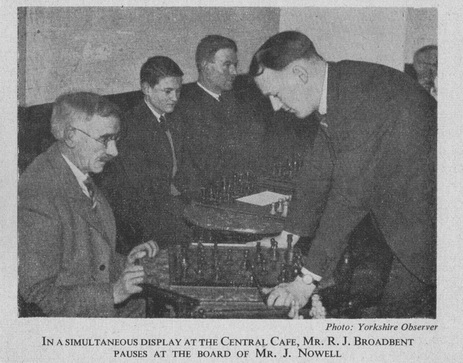
Death Anniversary of Reginald Broadbent (03-viii-1906 29-x-1988)

We remember Reginald Broadbent who passed away on October 29th 1988.

Reginald Joseph Broadbent was born on Friday, August 3rd 1906 (the year of the San Francisco earthquake) in Durban, South Africa. His father was Joseph Edward Broadbent (born 1879) who married Alice Cook on January 4th, 1930 in Durban.

According to the 1911 Isle of Man Census (FindMyPast, Richard James; thanks!) the Broadbent family (sans father) stayed at a guest house in Onchan on the night of February 2nd 1911. Reg (aged 4) was a boarder together with mother Alice (33), brother Roland (1) and sister Laura (4). Since Reg and Laura are both recorded as 4 years old it is reasonable to suppose that they were born as twins. We think that Reg had an additional sibling who had passed away and that the name is not recorded. Reassuringly Steve Mann agrees with this conclusion.

He married Catherine H Broadbent (born 19th September 1895) and were recorded as living (in 1939) in “Cheadle and Gately”, Cheshire. His profession was as a “Telephone Traffic Superintendent, Class II, Post Office Telephones” which was a a civil service occupation. Catherine carried out “unpaid domestic duties”.

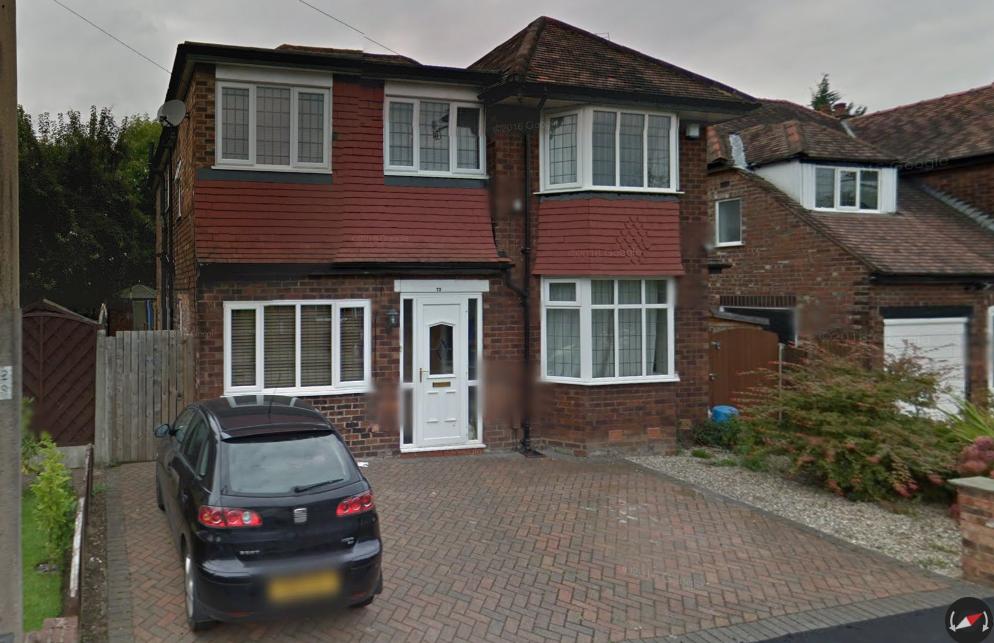
They resided at 72, South Park Road, Gatley, Cheshire :

72, South Park Road, Gatley, Cheshire. SK8 4AN

According to Steve Mann in his excellent Yorkshire Chess web site :

“At some time in 1946 or 1947, Broadbent moved down south to live in the general vicinity of East Grinstead, at Far End, Limes Estate, Felbridge, 2 miles NW of East Grinstead, and later at Southway, Priory Road, Forest Row, 3 miles SE of East Grinstead”

The British Chess Magazine, Volume CVIII (108, 1988), #12 (December), p. 553 records this brief death announcement :

“Reginald J. Broadbent, British Champion 1948 and 1950 died on October 29 at the age of 82. He was a member of Manchester and Bradford Chess Clubs in his day, and was famous for his remarkable record in Anglo-Dutch matches.

After he moved to London around 1950 he was less free to play due to his senior post with the Post Office. A fuller notice will appear next month.”

As advertised in the British Chess Magazine, Volume CIX (109, 1989), #1 (January), p. 27 we have :

“Reginald Broadbent (3 viii 1906-29x 1988) was born at Durban and was British Champion in 1948 and 1950. In the latter content he actually won his last six games in a row to reach a score of 8.5 points, ahead of Klein, Penrose and Milner-Barry. He was often spoken of as “playing himself into form” in the first half of a contest as his work as a civil servant (the GPO) did not allow him the chance to practise regularly against strong opposition.

He was a member of the Manchester and Bradford clubs before the war when he built up a fine record in Anglo-Dutch matches and Northern Counties champion on many occasions.

Brian Reilly recalls that Broadbent was selected for the BCF Olympiad side in 1954, but was forced to turn down the invitation due to the exacting nature of his work in London, and thereafter his main connection with the game was a chess column in a West of England newspaper. He was a subscriber to BCM right up to his death.”

With the white pieces Broadbent was a die-hard 1.e4 player who allowed the Marshall Attack against the Ruy Lopez.

As the second player RJB defended the Nimzo-Indian Defence and played Open games.

Here is one of his best games :

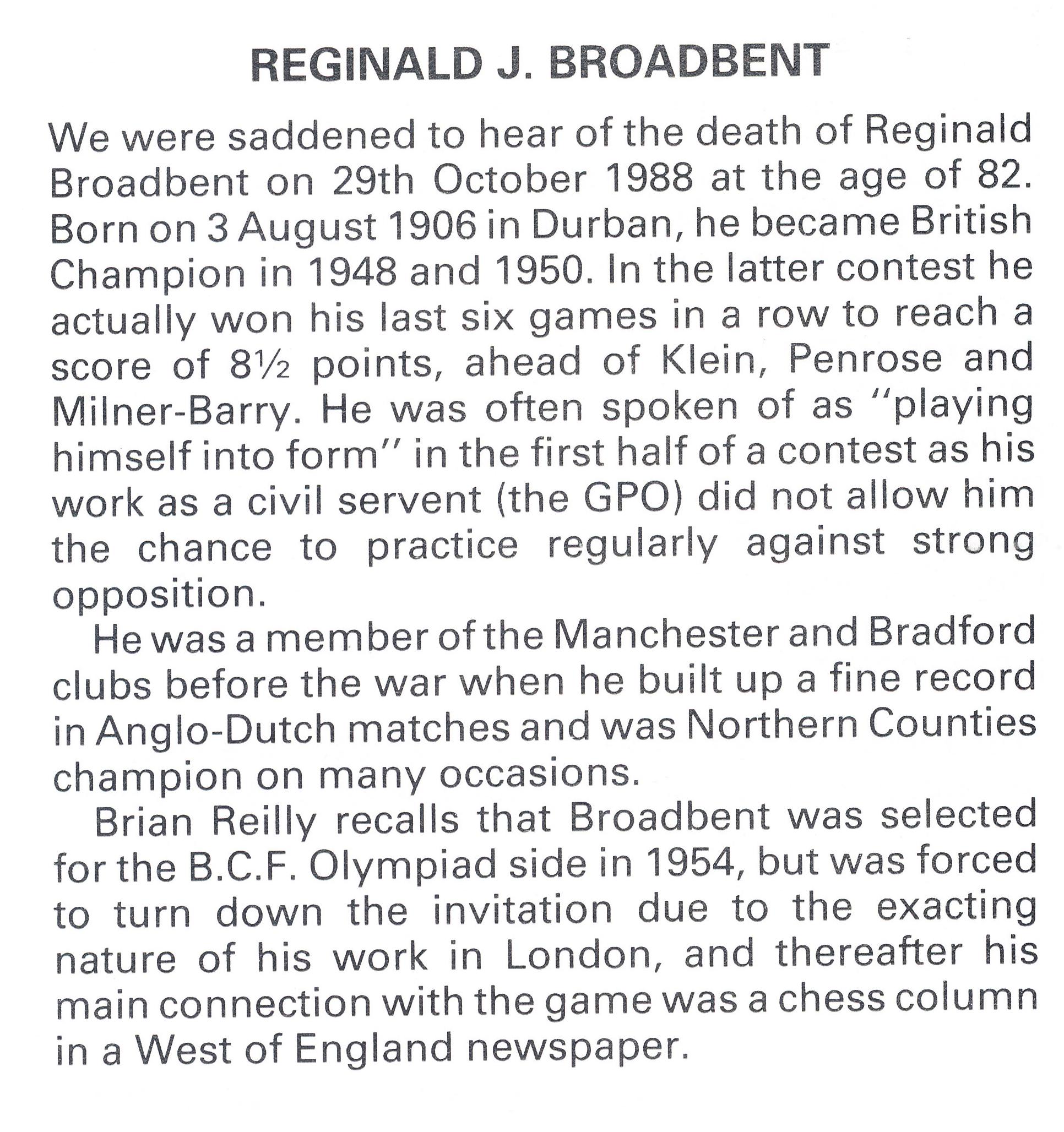
For an element of déjà vu here is RJBs obituary from the 1989 – 1990 BCF Yearbook, page 14 :

(The Yearbook editor was Brian Concannon and it would appear standard practise, at the time, not to credit or attribute sources for obituaries.)

BCF Yearbook, 1989-1990, page 14

A detailed biography may be found here

Death Anniversary of Reginald Broadbent (03-viii-1906 29-x-1988)

We remember Reginald Broadbent who passed away on October 29th 1988.

Reginald Joseph Broadbent was born on Friday, August 3rd 1906 (the year of the San Francisco earthquake) in Durban, South Africa. His father was Joseph Edward Broadbent (born 1879) who married Alice Cook on January 4th, 1930 in Durban.

According to the 1911 Isle of Man Census (FindMyPast, Richard James; thanks!) the Broadbent family (sans father) stayed at a guest house in Onchan on the night of February 2nd 1911. Reg (aged 4) was a boarder together with mother Alice (33), brother Roland (1) and sister Laura (4). Since Reg and Laura are both recorded as 4 years old it is reasonable to suppose that they were born as twins. We think that Reg had an additional sibling who had passed away and that the name is not recorded. Reassuringly Steve Mann agrees with this conclusion.

He married Catherine H Broadbent (born 19th September 1895) and were recorded as living (in 1939) in “Cheadle and Gately”, Cheshire. His profession was as a “Telephone Traffic Superintendent, Class II, Post Office Telephones” which was a a civil service occupation. Catherine carried out “unpaid domestic duties”.

They resided at 72, South Park Road, Gatley, Cheshire :

72, South Park Road, Gatley, Cheshire. SK8 4AN

According to Steve Mann in his excellent Yorkshire Chess web site :

“At some time in 1946 or 1947, Broadbent moved down south to live in the general vicinity of East Grinstead, at Far End, Limes Estate, Felbridge, 2 miles NW of East Grinstead, and later at Southway, Priory Road, Forest Row, 3 miles SE of East Grinstead”

The British Chess Magazine, Volume CVIII (108, 1988), #12 (December), p. 553 records this brief death announcement :

“Reginald J. Broadbent, British Champion 1948 and 1950 died on October 29 at the age of 82. He was a member of Manchester and Bradford Chess Clubs in his day, and was famous for his remarkable record in Anglo-Dutch matches.

After he moved to London around 1950 he was less free to play due to his senior post with the Post Office. A fuller notice will appear next month.”

As advertised in the British Chess Magazine, Volume CIX (109, 1989), #1 (January), p. 27 we have :

“Reginald Broadbent (3 viii 1906-29x 1988) was born at Durban and was British Champion in 1948 and 1950. In the latter content he actually won his last six games in a row to reach a score of 8.5 points, ahead of Klein, Penrose and Milner-Barry. He was often spoken of as “playing himself into form” in the first half of a contest as his work as a civil servant (the GPO) did not allow him the chance to practise regularly against strong opposition.

He was a member of the Manchester and Bradford clubs before the war when he built up a fine record in Anglo-Dutch matches and Northern Counties champion on many occasions.

Brian Reilly recalls that Broadbent was selected for the BCF Olympiad side in 1954, but was forced to turn down the invitation due to the exacting nature of his work in London, and thereafter his main connection with the game was a chess column in a West of England newspaper. He was a subscriber to BCM right up to his death.”

With the white pieces Broadbent was a die-hard 1.e4 player who allowed the Marshall Attack against the Ruy Lopez.

As the second player RJB defended the Nimzo-Indian Defence and played Open games.

Here is one of his best games :

For an element of déjà vu here is RJBs obituary from the 1989 – 1990 BCF Yearbook, page 14 :

(The Yearbook editor was Brian Concannon and it would appear standard practise, at the time, not to credit or attribute sources for obituaries.)

BCF Yearbook, 1989-1990, page 14

A detailed biography may be found here

Death Anniversary of Reginald Broadbent (03-viii-1906 29-x-1988)

We remember Reginald Broadbent who passed away on October 29th 1988.

Reginald Joseph Broadbent was born on Friday, August 3rd 1906 (the year of the San Francisco earthquake) in Durban, South Africa. His father was Joseph Edward Broadbent (born 1879) who married Alice Cook on January 4th, 1930 in Durban.

According to the 1911 Isle of Man Census (FindMyPast, Richard James; thanks!) the Broadbent family (sans father) stayed at a guest house in Onchan on the night of February 2nd 1911. Reg (aged 4) was a boarder together with mother Alice (33), brother Roland (1) and sister Laura (4). Since Reg and Laura are both recorded as 4 years old it is reasonable to suppose that they were born as twins. We think that Reg had an additional sibling who had passed away and that the name is not recorded. Reassuringly Steve Mann agrees with this conclusion.

He married Catherine H Broadbent (born 19th September 1895) and were recorded as living (in 1939) in “Cheadle and Gately”, Cheshire. His profession was as a “Telephone Traffic Superintendent, Class II, Post Office Telephones” which was a a civil service occupation. Catherine carried out “unpaid domestic duties”.

They resided at 72, South Park Road, Gatley, Cheshire :

72, South Park Road, Gatley, Cheshire. SK8 4AN

According to Steve Mann in his excellent Yorkshire Chess web site :

“At some time in 1946 or 1947, Broadbent moved down south to live in the general vicinity of East Grinstead, at Far End, Limes Estate, Felbridge, 2 miles NW of East Grinstead, and later at Southway, Priory Road, Forest Row, 3 miles SE of East Grinstead”

The British Chess Magazine, Volume CVIII (108, 1988), #12 (December), p. 553 records this brief death announcement :

“Reginald J. Broadbent, British Champion 1948 and 1950 died on October 29 at the age of 82. He was a member of Manchester and Bradford Chess Clubs in his day, and was famous for his remarkable record in Anglo-Dutch matches.

After he moved to London around 1950 he was less free to play due to his senior post with the Post Office. A fuller notice will appear next month.”

As advertised in the British Chess Magazine, Volume CIX (109, 1989), #1 (January), p. 27 we have :

“Reginald Broadbent (3 viii 1906-29x 1988) was born at Durban and was British Champion in 1948 and 1950. In the latter content he actually won his last six games in a row to reach a score of 8.5 points, ahead of Klein, Penrose and Milner-Barry. He was often spoken of as “playing himself into form” in the first half of a contest as his work as a civil servant (the GPO) did not allow him the chance to practise regularly against strong opposition.

He was a member of the Manchester and Bradford clubs before the war when he built up a fine record in Anglo-Dutch matches and Northern Counties champion on many occasions.

Brian Reilly recalls that Broadbent was selected for the BCF Olympiad side in 1954, but was forced to turn down the invitation due to the exacting nature of his work in London, and thereafter his main connection with the game was a chess column in a West of England newspaper. He was a subscriber to BCM right up to his death.”

With the white pieces Broadbent was a die-hard 1.e4 player who allowed the Marshall Attack against the Ruy Lopez.

As the second player RJB defended the Nimzo-Indian Defence and played Open games.

Here is one of his best games :

For an element of déjà vu here is RJBs obituary from the 1989 – 1990 BCF Yearbook, page 14 :

(The Yearbook editor was Brian Concannon and it would appear standard practise, at the time, not to credit or attribute sources for obituaries.)

BCF Yearbook, 1989-1990, page 14

A detailed biography may be found here

Death Anniversary of Reginald Broadbent (03-viii-1906 29-x-1988)

We remember Reginald Broadbent who passed away on October 29th 1988.

Reginald Joseph Broadbent was born on Friday, August 3rd 1906 (the year of the San Francisco earthquake) in Durban, South Africa. His father was Joseph Edward Broadbent (born 1879) who married Alice Cook on January 4th, 1930 in Durban.

According to the 1911 Isle of Man Census (FindMyPast, Richard James; thanks!) the Broadbent family (sans father) stayed at a guest house in Onchan on the night of February 2nd 1911. Reg (aged 4) was a boarder together with mother Alice (33), brother Roland (1) and sister Laura (4). Since Reg and Laura are both recorded as 4 years old it is reasonable to suppose that they were born as twins. We think that Reg had an additional sibling who had passed away and that the name is not recorded. Reassuringly Steve Mann agrees with this conclusion.

He married Catherine H Broadbent (born 19th September 1895) and were recorded as living (in 1939) in “Cheadle and Gately”, Cheshire. His profession was as a “Telephone Traffic Superintendent, Class II, Post Office Telephones” which was a a civil service occupation. Catherine carried out “unpaid domestic duties”.

They resided at 72, South Park Road, Gatley, Cheshire :

72, South Park Road, Gatley, Cheshire. SK8 4AN

According to Steve Mann in his excellent Yorkshire Chess web site :

“At some time in 1946 or 1947, Broadbent moved down south to live in the general vicinity of East Grinstead, at Far End, Limes Estate, Felbridge, 2 miles NW of East Grinstead, and later at Southway, Priory Road, Forest Row, 3 miles SE of East Grinstead”

The British Chess Magazine, Volume CVIII (108, 1988), #12 (December), p. 553 records this brief death announcement :

“Reginald J. Broadbent, British Champion 1948 and 1950 died on October 29 at the age of 82. He was a member of Manchester and Bradford Chess Clubs in his day, and was famous for his remarkable record in Anglo-Dutch matches.

After he moved to London around 1950 he was less free to play due to his senior post with the Post Office. A fuller notice will appear next month.”

As advertised in the British Chess Magazine, Volume CIX (109, 1989), #1 (January), p. 27 we have :

“Reginald Broadbent (3 viii 1906-29x 1988) was born at Durban and was British Champion in 1948 and 1950. In the latter content he actually won his last six games in a row to reach a score of 8.5 points, ahead of Klein, Penrose and Milner-Barry. He was often spoken of as “playing himself into form” in the first half of a contest as his work as a civil servant (the GPO) did not allow him the chance to practise regularly against strong opposition.

He was a member of the Manchester and Bradford clubs before the war when he built up a fine record in Anglo-Dutch matches and Northern Counties champion on many occasions.

Brian Reilly recalls that Broadbent was selected for the BCF Olympiad side in 1954, but was forced to turn down the invitation due to the exacting nature of his work in London, and thereafter his main connection with the game was a chess column in a West of England newspaper. He was a subscriber to BCM right up to his death.”

With the white pieces Broadbent was a die-hard 1.e4 player who allowed the Marshall Attack against the Ruy Lopez.

As the second player RJB defended the Nimzo-Indian Defence and played Open games.

Here is one of his best games :

For an element of déjà vu here is RJBs obituary from the 1989 – 1990 BCF Yearbook, page 14 :

(The Yearbook editor was Brian Concannon and it would appear standard practise, at the time, not to credit or attribute sources for obituaries.)

BCF Yearbook, 1989-1990, page 14

A detailed biography may be found here