
Opening Repertoire : the Petroff Defence

Opening repertoire : the Petroff Defence

Cyrus Lakdawala is an IM and former US Open Champion who teaches chess and has written over 25 books on chess openings.
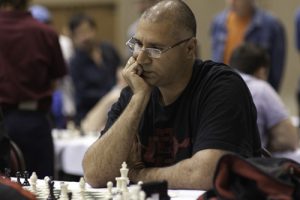
IM Cyrus Lakdawala
IM Cyrus Lakdawala

The Petroff (or Petrov or Russian) Defence has long been regarded as one of the most solid replies to 1.e4. The most prolific player of the Petroff is Artur Yusupov, a Russian Grandmaster who had played it in around 200 games according to MegaBase 2019.
Vladimir Kramnik , Anatoly Karpov and Boris Gelfand have also used the Petroff many times whilst recently Fabiano Caruana has made it one of his most important and reliable defences.
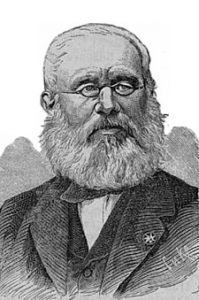
Alexander Dmitrievich Petrov

This is a repertoire book from the Black perspective and therefore does not include all possible black variations but it does provide clear recommendations for dealing with the White variations.

Following the Introduction we have six in-depth chapters as follows :

  1. The Cochrane Gambit
  2. The Scotch Petroff
  3. The Main Line Petroff
  4. The Main Line Sidelines (!?)
  5. The New Main Line (2019)
  6. The Three Knights Petroff

Each and every chapter starts with a summary of the variation to put the reader into the right frame of mind.
The author kicks-off in detail by examining the somewhat swashbuckling Cochrane Gambit where, after the moves 1.e4 e5 2.Nf3 Nf6 3.Nxe5 d6 White boldly sacrifices a knight with 4 Nxf7?!. The author concludes that the Cochrane Gambit is dubious and Black has excellent winning chances (which you would expect no doubt).
He backs this up by showing how Black should play after 4…Kxf7 when White has three sensible moves 5.d4 5.Bc4+ and latterly 5.Nc3 (which was played in a rapid game by Vasily Ivanchuk) : all 3 games were won by Black who wins a piece for 2 pawns. According to MegaBase 2019, the gambit scores an amazing 58.8% for white over 910 games so in practise (as opposed to theory) it does pretty well !

[pgn]
[Event “China Elite Mind rapid”]
[Site “Huaian”]
[Date “2016.02.27”]
[Round “7”]
[White “Ivanchuk, Vassily”]
[Black “Li, Chao B”]
[Result “0-1”]
[ECO “C42”]
[WhiteElo “2710”]
[BlackElo “2751”]
[Annotator “British Chess News”]
[PlyCount “106”]
[EventDate “2016.02.26”]
[EventType “swiss (rapid)”]
[EventRounds “7”]
[EventCountry “CHN”]
[SourceTitle “CBM 171 Extra”]
[Source “ChessBase”]
[SourceDate “2016.04.26”]
[SourceVersion “1”]
[SourceVersionDate “2016.04.26”]
[SourceQuality “1”]

{[%evp 0,106,18,10,29,30,30,-3,27,-91,-91,-100,-73,-59,-59,-97,-58,-52,-74,-97,
-69,-71,-63,-44,-63,-105,-53,-160,-153,-150,-101,-106,-90,-105,-97,-97,-97,-89,
-81,-89,-72,-72,-66,-69,-77,-77,-58,-46,-46,-33,-55,-84,-79,-44,-18,0,0,-15,
-47,-47,-81,-81,-83,-83,-82,-91,-109,-160,-154,-160,-155,-145,-145,-115,-116,
-202,-201,-220,-225,-251,-254,-280,-283,-308,-303,-290,-294,-305,-311,-325,
-327,-331,-322,-321,-327,-337,-341,-354,-364,-383,-385,-433,-433,-460,-456,
-464,-396,-415,-414]} 1. e4 e5 2. Nf3 Nf6 3. Nxe5 d6 4. Nxf7 Kxf7 5. Nc3 g6 6.
d4 Kg7 7. Be3 Ng4 8. Bf4 Be7 9. Qd2 Rf8 10. Be2 g5 11. Bg3 Nc6 12. Nd5 h6 13.
Bxg4 Bxg4 14. f3 Be6 15. O-O-O Bxd5 16. exd5 Nb8 17. Rde1 Nd7 18. Re6 Rf6 19.
Rhe1 Rxe6 20. dxe6 Nf6 21. d5 c6 22. dxc6 bxc6 23. h4 Nh5 24. Bf2 c5 25. Kb1
Rb8 26. b3 a5 27. hxg5 hxg5 28. Be3 a4 29. Rh1 axb3 30. axb3 Ng3 31. Rh3 Nf5
32. Qd3 Nh4 33. f4 Ra8 34. Bd2 Bf6 35. Bc3 Bxc3 36. Qxc3+ Qf6 37. fxg5 Qxc3 38.
Rxc3 Re8 39. Re3 Nxg2 40. Re4 Kg6 41. b4 Kf5 42. Re2 Nf4 43. Rd2 Rxe6 44. bxc5
dxc5 45. Kb2 Re3 46. Rd8 Kxg5 47. Rf8 Ne6 48. Rf1 Nd4 49. c3 Nb5 50. Rc1 c4 51.
Rd1 Re2+ 52. Kc1 Na3 53. Rd5+ Kf4 0-1
[/pgn]

Next, we turn to the Scotch Petroff in which White plays 3.d4 when 3…Nxe4 is recommended.
Two main lines are given, the first being 4.d4xe5 d5 5.Nbd2 where, in the game Vitiugov v Caruana 2018, Black played 5…Qd7 and excellent annotations are given as to why this move equalises fully.

[pgn]
[Event “Grenke Chess Classic 5th”]
[Site “Karlsruhe/Baden-Baden”]
[Date “2018.04.09”]
[Round “9”]
[White “Vitiugov, Nikita”]
[Black “Caruana, Fabiano”]
[Result “0-1”]
[ECO “C43”]
[WhiteElo “2735”]
[BlackElo “2784”]
[Annotator “Roiz,M”]
[PlyCount “80”]
[EventDate “2018.03.31”]
[EventType “tourn”]
[EventRounds “9”]
[EventCountry “GER”]
[EventCategory “20”]
[SourceTitle “CBM 184”]
[Source “ChessBase”]
[SourceDate “2018.05.16”]
[SourceVersion “1”]
[SourceVersionDate “2018.05.16”]
[SourceQuality “1”]

{[%evp 0,80,29,10,4,10,30,35,27,10,21,15,15,-1,8,7,38,46,50,48,33,2,41,11,10,
-1,9,6,9,11,56,30,-10,-45,-22,-46,-50,-59,-54,-50,-45,-38,-29,-81,-39,-55,10,5,
13,-53,12,-5,-9,-64,-56,-64,-50,-53,-50,-56,-80,-110,-84,-122,-115,-91,-88,
-133,-127,-119,-84,-122,-122,-183,-205,-199,-225,-264,-311,-337,-337,-374,-350]
} 1. e4 e5 2. Nf3 Nf6 3. d4 Nxe4 4. dxe5 d5 5. Nbd2 Qd7 $146 ({Just a few
weeks previously Fabiano faced this line in the extremely important game:} 5…
Nxd2 6. Bxd2 Be7 7. Bd3 c5 8. c3 Nc6 9. O-O Bg4 10. Re1 Qd7 11. h3 Bh5 12. Bf4
{Grischuk,A – Caruana,F Berlin GER 2018, White had a promising position, but
eventually got outplayed.}) ({In addition, the following moves have been
tested at this high level:} 5… Nc5) (5… Be7) (5… Nc6) ({and} 5… Bf5 {
Seemingly, none guarantees Black an easy equalisation.}) 6. Bd3 {The most
natural way of development.} ({In the event of} 6. Nxe4 dxe4 7. Nd4 Nc6 8. Bb5
Bc5 9. Nxc6 (9. Be3 Bxd4 10. Bxd4 Qd5 11. c4 Qe6 12. O-O a6 13. Bxc6+ Qxc6 $11)
9… bxc6 10. Qxd7+ Bxd7 11. Ba4 O-O-O $11 {The active piece play offers Black
a sufficient compensation for the structural drawbacks.}) ({The modest} 6. Be2
{can hardly pose Black any problems. For instance,} Be7 7. O-O Nc6 8. c4 Nc5 9.
Nb3 dxc4 10. Nxc5 Bxc5 11. Bxc4 Qxd1 12. Rxd1 Be6 $11) 6… Nc5 {The knight is
heading for e6 in order to consolidate Black’s setup on the q-side.} 7. Be2 g6
8. Nb3 (8. O-O $5 {also deserved attention:} Bg7 (8… Nc6 9. Nb3 Ne6 10. Nbd4
Ncxd4 11. Nxd4 Bg7 12. f4 {looks somewhat worse for Black, whose dark-squared
bishop is locked in.}) 9. Nb3 Ne6 10. Nfd4 Bxe5 11. Bh6 $44 {would offer White
definite compensation for a pawn due to the better development. However,
Nikita doesn’t like to check out the most principled lines against a
well-prepared opponent.}) 8… Ne6 9. Be3 {This move seems somewhat inaccurate.
} ({The correct way was:} 9. Nbd4 $1 {exchanging the misplaced knight} Nxd4 (
9… Bg7 10. Nxe6 Qxe6 11. O-O O-O 12. Bf4 Nd7 13. Re1 $14) 10. Qxd4 $1 Bg7 11.
O-O Nc6 12. Qc5 b6 13. Qa3 {White’s development advantage might tell, though
Black’s position still seems solid.}) 9… c5 $1 {That’s the point! Black
takes control over the centre now.} 10. Ng5 $1 {GM Vitiugov is reasonably
swapping the knights – now the vulnerable e5-pawn can be protected.} (10. c3 b6
11. O-O Nc6 $15) 10… b6 11. Nxe6 fxe6 12. a4 $1 {Nikita’s creative play
enables White to maintain the balance.} ({In th event of the natural} 12. O-O
Bb7 13. c3 Nc6 14. f4 Bh6 $15 {Black’s position would be easier to handle.})
12… Bb7 13. O-O Nc6 14. f4 ({A more precise move was} 14. c3 $1 Bg7 (14…
Nxe5 15. Re1 {offers White excellent compensation for a pawn.}) 15. f4 O-O 16.
Bb5 a6 17. Be2 $132 {[%csl Rb6,Rc5][%cal Ga4a5]}) 14… Bh6 $1 {The lack of
harmony in White’s camp causes Nikita some problems now.} 15. a5 {The advance
of the a-pawn doesn’t really bother Fabiano.} (15. Qe1 d4 16. Bd2 O-O 17. Qh4
Bg7 $15) 15… Ne7 {Making the c6-spot vacant for the bishop.} 16. Bg4 (16. c3
O-O 17. Qe1 Nf5 18. Bd2 d4 $15) 16… d4 17. Bc1 O-O {Black is better due to a
space advantage, but it’s hard to make any real progress.} 18. Qd3 (18. c4 Nf5
19. Bf3 Rab8 $15) 18… Bd5 19. Qh3 Bg7 20. Nd2 {Eventually admitting the
mistake – the Nb3 had no prospects.} Nf5 21. c4 dxc3 22. bxc3 Rad8 (22… b5 $5
23. Ba3 (23. Re1 Rab8 24. Ne4 Bxe4 25. Rxe4 h5 $36) 23… Rac8 24. Rf2 Rfd8 $15
) 23. axb6 axb6 24. Re1 b5 {A slight inaccuracy.} ({A more energetic try was}
24… Ra8 25. Rxa8 Rxa8 26. Bf3 h5 $15 {and White is doomed to passive defence.
}) 25. Ne4 $6 {This move is a serious positional mistake.} ({It was much
better to keep the knight on the board:} 25. Bf3 $1 b4 (25… Ra8 26. Rxa8 Rxa8
27. g4 Ne7 28. Ne4 $132) 26. Bxd5 Qxd5 27. Ne4 {and White manages to maintain
the balance.}) 25… Qe7 $2 {Returning the favour!} ({In the event of} 25…
Bxe4 $1 26. Rxe4 h5 27. Bxf5 {The lesser evil.} (27. Bf3 Qd3 $19) (27. Be2 Qc6
28. Bf3 Rd3 29. Re3 Qd7 $19) 27… Qd1+ 28. Kf2 Rxf5 29. Re1 Qb3 $17 {The
vulnerablity of his king puts White in big danger.}) 26. Ng5 $2 {Luckily for
Caruana, Nikita is focused on the counter-attacking measures and pushes too
hard…} ({At the same time, the cool-blooded} 26. Bf3 $1 b4 27. Ng5 h6 28.
Bxd5 Rxd5 29. Ne4 $11 {would have kept everything under control.}) 26… h6 27.
Nf3 (27. Ne4 {would hardly be much better:} b4 28. cxb4 cxb4 {, and the passer
is extremely strong.}) 27… Bc6 {There is nothing to do against the
penetration of Black’s rook.} 28. Bxf5 gxf5 29. Be3 ({Nothing is changed by}
29. Nh4 Ra8 30. Be3 Rxa1 31. Rxa1 Rd8 $19) 29… Rd3 30. Rac1 Ra8 $19 {Now
Black’s pieces are dominating over the board.} 31. Qh4 Qxh4 32. Nxh4 c4 33. Kf2
({Or} 33. Bc5 Ra2 34. Bd6 Bf8 $19) 33… Bf8 34. Nf3 Bd5 ({A simpler way is}
34… Bxf3 35. gxf3 Ra3 36. Bd4 b4 $19) 35. Nd4 Bc5 36. Nxf5 {Desperation.} ({
The most stubborn was} 36. Nc2 {though Black’s task still doesn’t seem tough:}
Ba3 37. Nxa3 Rxa3 38. Bc5 Rd2+ 39. Re2 Rxe2+ 40. Kxe2 Ra2+ 41. Ke3 Rxg2 $19)
36… Ba3 37. Nxh6+ Kg7 38. f5 Bxc1 39. Bxc1 Rxc3 40. f6+ Kg6 {This important
victory yielded Fabiano another clear 1st place!} 0-1
[/pgn]

The more popular 5 Nc5 is also examined in detail and,
more often than not, more than one playable line is given for the reader to choose from.

Following the examination of 3.d4 Nxe4 4.Bd3 d5 5.Nxe5 Nd7 Laznicka v Shirov 2006 is discussed in detail and this is an interesting game in which Black was able to win from a lost position.

[pgn]
[Event “Pamplona-A 16th”]
[Site “Pamplona”]
[Date “2006.12.26”]
[Round “4”]
[White “Laznicka, Viktor”]
[Black “Shirov, Alexei”]
[Result “0-1”]
[ECO “C43”]
[WhiteElo “2596”]
[BlackElo “2720”]
[Annotator “British Chess News”]
[PlyCount “88”]
[EventDate “2006.12.22”]
[EventType “tourn”]
[EventRounds “7”]
[EventCountry “ESP”]
[EventCategory “17”]
[SourceTitle “CBM 116”]
[Source “ChessBase”]
[SourceDate “2007.02.01”]
[SourceVersion “1”]
[SourceVersionDate “2007.02.01”]
[SourceQuality “1”]

{[%evp 0,88,18,29,27,27,55,36,35,-1,7,17,12,13,27,6,-20,-22,39,36,21,15,37,24,
20,10,74,77,94,-15,64,28,31,28,27,38,38,-24,30,-10,8,23,22,22,22,86,77,77,77,
77,77,63,80,95,109,119,123,0,0,-86,-77,0,-29,-21,-13,-13,-7,-7,0,0,0,0,0,0,0,0,
0,0,0,0,0,-294,-283,-294,-279,-275,-267,-272,-272,-305,-301]} 1. e4 e5 2. Nf3
Nf6 3. d4 Nxe4 4. Bd3 d5 5. Nxe5 Nd7 6. Nxd7 Bxd7 7. O-O Bd6 8. c4 c6 9. cxd5
cxd5 10. Nc3 Nxc3 11. bxc3 O-O 12. Qh5 g6 13. Qxd5 Qc7 14. Qf3 Bxh2+ 15. Kh1
Bd6 16. c4 Rfe8 17. c5 Bf8 18. Be4 Bc6 19. d5 Bb5 20. d6 Qxc5 21. Bd5 Bg7 22.
Ba3 Qd4 23. Bxf7+ Kh8 24. Bxe8 Rxe8 25. Rad1 Qh4+ 26. Kg1 Bxf1 27. d7 Rd8 28.
Re1 $2 (28. Qf7 $142 $18) 28… Qa4 29. Qf7 Be2 30. Rxe2 Qd1+ 31. Kh2 Qxe2 32.
Be7 Qh5+ 33. Kg3 Qe5+ 34. f4 Qe3+ 35. Kh2 Rg8 36. Qxg8+ Kxg8 37. d8=Q+ Kf7 38.
Bd6 Bd4 39. Qd7+ Kf6 40. Qxh7 Qg1+ 41. Kg3 Qe1+ 42. Kh2 Bg1+ 43. Kh3 Qe6+ 44.
g4 Qxd6 0-1
[/pgn]

The opening however was again fine for black.

In Chapter three the author pitches into, what most would consider as THE main line i.e. 3. Nxe5 which is played in 53% of games in MegaBase 2019.
Cyrus recommends 3…d6 4.Nf3 Nxe4 5 d4 d5 6 Bd3 Be7 7 00 Nc6 as most promising for Black.
The main line here is 8.c4 and ten games are annotated in detail. The most prominent players of the black pieces include Vishy Anand and Anatoly Karpov. The following game is annotated in detail :

[pgn]
[Event “CRO-ch”]
[Site “Zagreb”]
[Date “2004.11.16”]
[Round “1”]
[White “Palac, Mladen”]
[Black “Jovanic, Ognjen”]
[Result “0-1”]
[ECO “C42”]
[WhiteElo “2543”]
[BlackElo “2475”]
[Annotator “British Chess News”]
[PlyCount “96”]
[EventDate “2004.11.16”]
[EventType “tourn”]
[EventRounds “11”]
[EventCountry “CRO”]
[EventCategory “10”]
[SourceTitle “CBM 105”]
[Source “ChessBase”]
[SourceDate “2005.04.11”]
[SourceVersion “1”]
[SourceVersionDate “2005.04.11”]
[SourceQuality “1”]

{[%evp 0,96,23,23,23,27,27,-13,27,27,40,-12,24,-19,34,10,38,34,36,6,10,25,20,
41,40,42,42,42,45,12,15,15,45,-12,-8,-21,-15,-15,-18,8,2,-1,-1,-67,-41,-71,-86,
-110,-110,-240,-256,-319,-133,-133,-101,-185,-185,-185,-65,-72,-76,-62,-58,-53,
-77,-74,-67,-78,-60,-77,-88,-84,-81,-89,-92,-92,-80,-91,-83,-69,-77,-69,-81,
-79,-101,-112,-159,-154,-166,-317,-302,-312,-329,-410,-416,-412,-423,-425,-425]
} 1. e4 e5 2. Nf3 Nf6 3. Nxe5 d6 4. Nf3 Nxe4 5. d4 d5 6. Bd3 Nc6 7. O-O Be7 8.
c4 Nb4 9. Be2 O-O 10. a3 Nc6 11. cxd5 Qxd5 12. Nc3 Nxc3 13. bxc3 Bf5 14. Re1
Rfe8 15. Bf4 Rac8 16. c4 Qe4 17. Be3 Bf6 18. Ra2 Rcd8 19. Rd2 Na5 20. h3 Qe7
21. g4 Be4 22. g5 Qe6 23. gxf6 Qxh3 24. Bf4 Nxc4 25. Bg3 Nxd2 26. Qxd2 Qf5 27.
Qg5 Qxg5 28. Nxg5 gxf6 29. Nxe4 Rxe4 30. Bxc7 Rdxd4 31. Kf1 Rd2 32. Bb8 a6 33.
Ba7 Ra2 34. Bc5 Kg7 35. Bf3 Rxe1+ 36. Kxe1 b6 37. Be7 b5 38. Bd5 Rb2 39. Bb4
Rb1+ 40. Ke2 Ra1 41. Bc6 h5 42. Kf3 a5 43. Bd6 Rd1 44. Be7 Re1 45. Bd8 b4 46.
axb4 axb4 47. Ba5 Rc1 48. Be4 b3 0-1
[/pgn]

Other popular moves (8. Re1 and 8.Nc3) are also considered in the same lengthy main chapter.

So called off-beat or side lines are covered in Chapter Four the most important of which is 3.Nxe5 d6 4.Nf3 Nxe4 5.Qe2 which the author labels “The Dull Variation” but, as Cyrus points out, it is a likely choice for the White player if he or she is greatly outgraded and happy to halve the point. However, as in the game Luke McShane v Ba Jobava, Black managed to out dull the dullness by winning!

[pgn]
[Event “Wch Rapid”]
[Site “Riadh”]
[Date “2017.12.26”]
[Round “5”]
[White “McShane, Luke J”]
[Black “Jobava, Baadur”]
[Result “0-1”]
[ECO “C42”]
[WhiteElo “2640”]
[BlackElo “2690”]
[Annotator “British Chess News”]
[PlyCount “76”]
[EventDate “2017.12.26”]
[EventType “swiss (rapid)”]
[EventRounds “15”]
[EventCountry “SAU”]
[SourceTitle “CBM 182 Extra”]
[Source “ChessBase”]
[SourceDate “2018.02.23”]
[SourceVersion “1”]
[SourceVersionDate “2018.02.23”]
[SourceQuality “1”]

{[%evp 0,76,36,18,12,-2,42,-12,42,27,37,18,26,14,18,23,13,19,28,8,28,28,27,16,
3,-8,8,-3,38,51,51,50,47,25,24,31,-3,-5,0,21,58,102,102,31,46,39,52,44,33,31,
48,39,39,38,64,66,73,0,-19,-218,-207,-220,-220,-251,-253,-360,-347,-378,-422,
-504,-568,-574,-574,-574,-582,-982,-924,-982,-758]} 1. e4 e5 2. Nf3 Nf6 3. Nxe5
d6 4. Nf3 Nxe4 5. Qe2 Qe7 6. d3 Nf6 7. Bg5 Nbd7 8. Nc3 h6 9. Be3 Nb6 10. h3 Bd7
11. O-O-O O-O-O 12. d4 Bc6 13. Qd3 Bxf3 14. Qf5+ Kb8 15. Qxf3 d5 16. Bf4 Ne4
17. Re1 Qb4 18. a3 Qa5 19. Re3 Ng5 20. Qg3 Bd6 21. Be2 Ne6 22. Bxd6 Rxd6 23.
Rd1 a6 24. f4 g5 25. fxg5 hxg5 26. Rf3 Rh4 27. Rxf7 $16 Rxd4 28. Re1 $2 (28.
Rxd4 Nxd4 29. Bd3 $16) 28… Rf4 29. Bg4 $2 Rxf7 $19 30. Bxe6 Re7 31. Qxg5 Nc8
32. Qf5 Qb6 33. Nxd5 Rexe6 34. Rxe6 Qg1+ 35. Kd2 Qxg2+ 36. Kc3 Rxd5 37. Qh7
Rc5+ 38. Kb4 Rxc2 0-1
[/pgn]

The so-called “New Main Line” is considered in Chapter Five and this is 3.Nxe5 d6 4.Nf3 Nxe4 5.Nc3 which, somewhat famously, is the usual choice of Magnus Carlsen (and Alexei Shirov) when battling the Petroff. The usual consequence of adoption of a line by the World Champion is that the variation becomes popular at “club level”. (Editor : This also happened to the currently trendy new main line of the London System : 1.d4 d5 2.Bf4 Nf6 3.e3 c5 4.c3 Nc6 5.Nd2).
The chapter launches by detailing a recent (2018) Carlsen v Caruana game where again, black equalises and draws the game.

[pgn]
[Event “Sinquefield Cup 6th”]
[Site “Saint Louis”]
[Date “2018.08.25”]
[Round “7”]
[White “Carlsen, Magnus”]
[Black “Caruana, Fabiano”]
[Result “1/2-1/2”]
[ECO “C42”]
[WhiteElo “2842”]
[BlackElo “2822”]
[Annotator “Roiz,M”]
[PlyCount “82”]
[EventDate “2018.08.18”]
[EventType “tourn”]
[EventRounds “9”]
[EventCountry “USA”]
[EventCategory “22”]
[SourceTitle “CBM 186”]
[Source “ChessBase”]
[SourceDate “2018.09.14”]
[SourceVersion “1”]
[SourceVersionDate “2018.09.14”]
[SourceQuality “1”]

{[%evp 0,82,16,23,23,27,27,27,27,27,27,34,33,33,33,17,12,20,16,-5,15,4,18,12,
28,-5,46,28,15,-12,0,-15,-17,-28,-20,-31,-37,-22,6,-7,19,14,32,29,35,31,54,6,
41,43,57,128,126,129,123,103,104,109,108,88,87,77,104,80,80,59,53,64,62,63,87,
74,74,80,94,38,23,38,33,38,35,35,46,35,35]} 1. e4 e5 2. Nf3 Nf6 3. Nxe5 d6 4.
Nf3 Nxe4 5. Nc3 Nxc3 6. dxc3 Be7 7. Be3 Nc6 8. Bc4 $5 {This move is almost
unexplored on a high level.} O-O ({After} 8… Bf6 9. Qe2 O-O 10. O-O-O Re8 11.
h3 Be6 12. Bxe6 Rxe6 13. g4 {Dubov,D – Fridman,D Tbilisi 2017, White had a
definite initiative on the k-side and eventually won.}) (8… Be6 9. Bxe6 fxe6
{, as was checked in a few games doesn’t seem to fully solve Black’s problems
in view of} 10. h4 $1 Qd7 11. Ng5 e5 12. Qd5 Bxg5 13. hxg5 $14) 9. Qd2 ({
Another possibility was} 9. Qe2 Re8 10. O-O-O Bg4 {, though White’s queen is
placed rather awkwardly here. For instance,} 11. h3 Bxf3 12. gxf3 Bg5 13. f4
Bxf4 14. Bxf7+ Kxf7 15. Qc4+ Kf8 16. Qxf4+ Qf6 $11) 9… Bf5 ({A move
deserving serious attention is} 9… Ne5 $5 10. Nxe5 dxe5 11. O-O-O Qxd2+ 12.
Rxd2 Bf5 13. Re1 Rfe8 {, and then in 1 correspondence game Black managed to
slowly liquidate White’s pressure along central files. However, play of such a
character would most likely suit Magnus.}) 10. O-O-O Qd7 11. Kb1 $146 {This
typical prophylactic move is a novelty.} ({The previously played} 11. Rhe1 Rae8
12. Bd5 Be6 13. c4 Bf6 14. Bg5 Bxg5 15. Qxg5 h6 {led to equal position in
Takacs,B – Horvath,I Hungary 2008}) ({Another interesting try was} 11. h3 $5
Na5 12. Bd3 {, and the effect} Qa4 13. Kb1 Nc4 {doesn’t lead to full equality:}
14. Bxc4 Qxc4 15. b3 Qa6 16. Nd4 Bd7 17. c4 $14) 11… Rfe8 12. h4 {The most
aggressive. Magnus is intending to push his kingside pawns as soon as possible.
} (12. h3 Be4 13. Bd5 Bf6 14. g4 g6 {looks very solid for Black.}) 12… Bf8 {
This move looks somewhat passive, but Fabiano searches for counterplay along
the e-file.} (12… Bf6 13. Bg5 $1 Be5 14. Nd4 Bxd4 15. cxd4 d5 16. Bf1 {
would have yielded White a definite advantage due to the pair of bishops.}) 13.
h5 h6 14. Be2 $1 {After this move Black can hardly stop g2-g4} Bg4 (14… a6
15. Nh2 Be4 16. Rhg1 $36) 15. Nh2 Bxe2 16. Qxe2 Ne5 {This move is connected
with loss of time, since White is going to push the k-side pawns and attack
the knight.} ({A safer one was} 16… Re4 $5 17. Nf1 (17. g4 {is well met by}
Rae8 18. Qd3 d5 $1 19. Qxd5 Qxd5 20. Rxd5 Bd6 $132) 17… Rae8 18. Nd2 R4e5 19.
g4 Qe6 {White is still somewhat better, but Black’s counterplay shouldn’t be
underestimated.}) 17. Bc1 Qc6 18. f4 (18. g4 $5 Qc4 19. Qxc4 Nxc4 20. b3 Ne5
21. c4 $14 {also would have kept Black under long-lasting pressure.}) 18… Nc4
19. Qd3 Qe4 {Black manages to liquidate into the endgame, but it doesn’t fully
solve his problems.} 20. g4 Ne3 21. Rde1 Qxd3 22. cxd3 Nd5 23. Reg1 $1 {
White reasonably prefers to keep both rooks on the board.} (23. g5 $6 {would
be premature:} Rxe1 24. Rxe1 g6 $1 {and the initiative is almost gone.}) 23…
Re6 $6 ({Much better was} 23… Re2 $1 24. g5 Kh7 25. Ng4 Rae8 {, and the
activity of rooks offers Black definite counter-play. For instance,} 26. g6+ (
26. f5 hxg5 27. Bxg5 Be7 28. Bxe7 R8xe7 29. c4 Nf6 $11) 26… Kg8 27. f5 f6 28.
c4 Nb4 $132) 24. g5 Ne7 $6 {This is too passive.} ({After} 24… Kh7 25. Ng4
Re2 26. f5 hxg5 27. Bxg5 Be7 28. Bxe7 Rxe7 29. h6 g6 30. fxg6+ fxg6 31. Rf1 $16
{The h-passer also would have put Black in danger, but it was the lesser evil.}
) 25. gxh6 Rxh6 26. f5 Rh7 27. Ng4 (27. f6 $1 {was stronger:} Nd5 28. fxg7 Rxg7
29. Rf1 Re8 30. h6 Rg6 31. Nf3 $18 {and Black doesn’t seem to withstand the
pressure.}) 27… Kh8 28. f6 Ng8 29. fxg7+ {This inaccuracy enables Black to
activate the pieces.} ({More energetic was} 29. h6 $1 Nxf6 ({Black is almost
paralysed also after} 29… gxf6 30. Rf1 Re8 31. Be3 c5 32. c4) 30. Nxf6 gxf6
31. Re1 {White is dominating over the board, and he should be able to win.})
29… Rxg7 30. Be3 c5 $1 {It’s necessary to cover the d4-square.} 31. Bf4 $6 {
Another step in the wrong direction.} ({A much stronger move was} 31. Bd2 $1
Re8 (31… Kh7 32. Nf2 $16) 32. c4 Re6 33. Bc3 f6 34. Rg3 $16 {and Black is
still doomed to passive defence.}) 31… Re8 $1 32. Ne3 Rxg1+ 33. Rxg1 Re6 {
Black’s pieces are slowly getting out now.} 34. Nd5 Nf6 35. Nc7 Re2 36. Nb5 Re6
$1 {A cool-blooded reply, that makes it difficult for White to make real
progress.} 37. Rf1 $6 {Spoiling all the advantage.} ({The last chance was} 37.
Nxa7 Kh7 38. Rh1 Ng4 39. Nb5 Nf2 40. Rf1 Nxd3 41. Bxd6 $1 Bxd6 42. Rxf7+ Kh6
43. Rd7 Re1+ 44. Kc2 c4 45. Rxd6+ Kxh5 $14 {Black is very active, but the draw
isn’t guaranteed yet.}) 37… Kg8 38. Nc7 {Accepting a draw by repetition.} (
38. Nxa7 Nxh5 39. Bc1 Rf6 40. Rg1+ Rg6 {is fine for Black.}) 38… Re2 39. Nb5
Re6 40. Nc7 Re2 41. Nb5 Re6 1/2-1/2
[/pgn]

The final chapter covers the Three Knights Variation in which White essays 3.Nc3 and Black usually replies 3…Bb4 : of course, he or she could also try 3…Nc6 transposing to a Four Knights Game.

From the BCN Editor :
As with every recent Everyman Chess publication high quality paper is used and the printing is clear. Each diagram is clear as is the instructional text. Figurine algebraic notation is used throughout and the diagrams are placed adjacent to the relevant text.

A couple of small gripes with the production are : the diagrams do not have a “to move” indicator. secondly, some Everyman books (but not this one) have an extra folding part to the front and rear covers. These we find protect the book from damage and also can be used as an emergency book mark !

So, what do we think ?
This is an excellent book with 58 games often by world class players given lots of analysis and discussion of ideas.The author sets many exercises (tactical and strategic) for the reader to work through making the book more interactive than many.
Of course, it is mainly written from the Black perspective as most presented games are won by Black perhaps making the reader wonder why 2…Nf6 is not as popular as 2…Nc6 : maybe it soon will be !

Colin Lyne, Farnborough, Hampshire, October 22nd, 2019
Colin Lyne
Colin Lyne

Book Details :

  • Paperback : 322 pages
  • Publisher: Everyman Chess (1 June 2019)
  • Language: English
  • ISBN-10: 178194539X
  • ISBN-13: 978-1781945391
  • Product Dimensions: 17 x 1.9 x 24.2 cm

Official web site of Everyman Chess

Opening repertoire : the Petroff defence
 Save as PDF