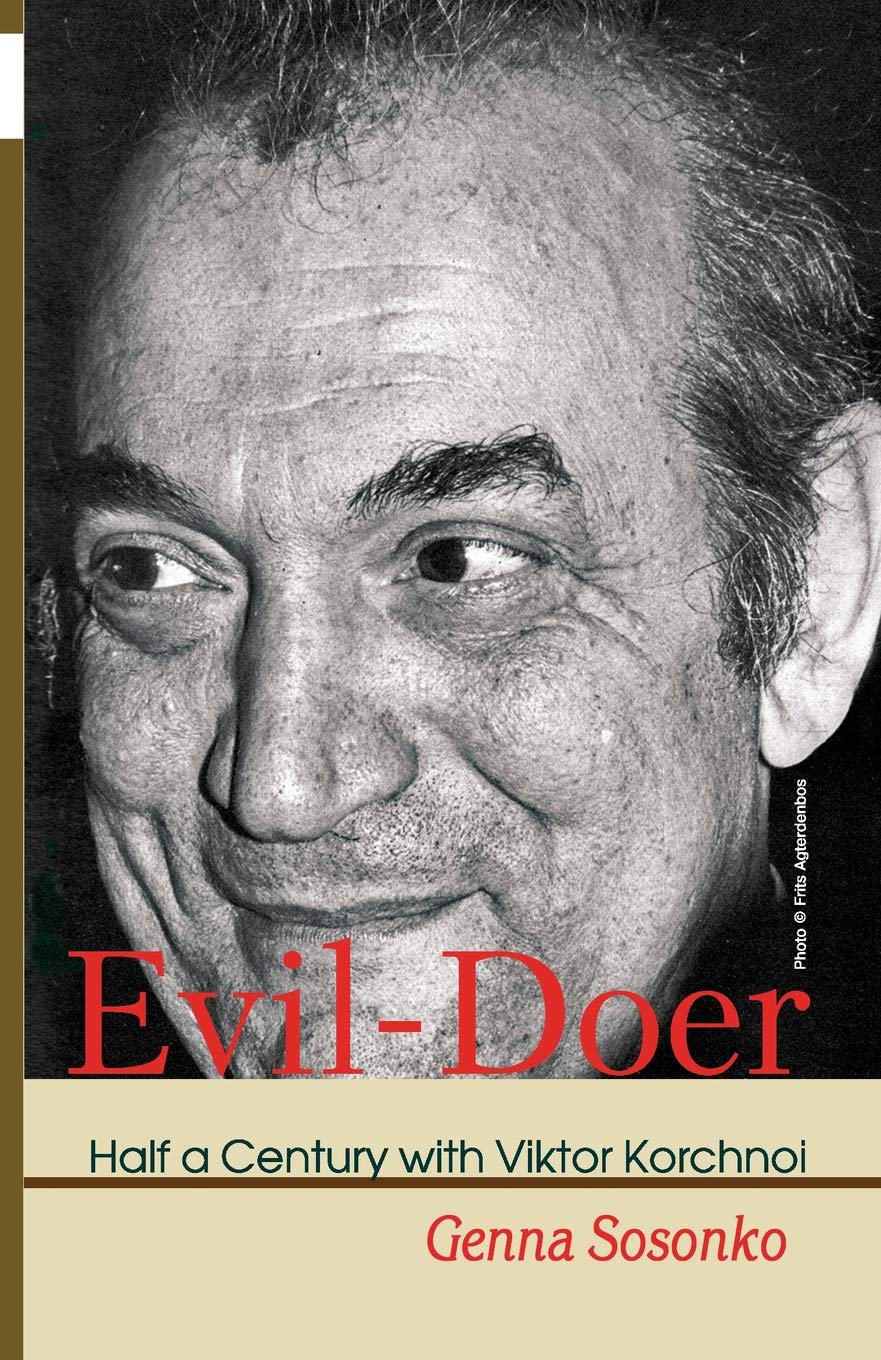
Evil-Doer : Half a Century with Viktor Korchnoi

Evil-Doer : Half a Century with Viktor Korchnoi

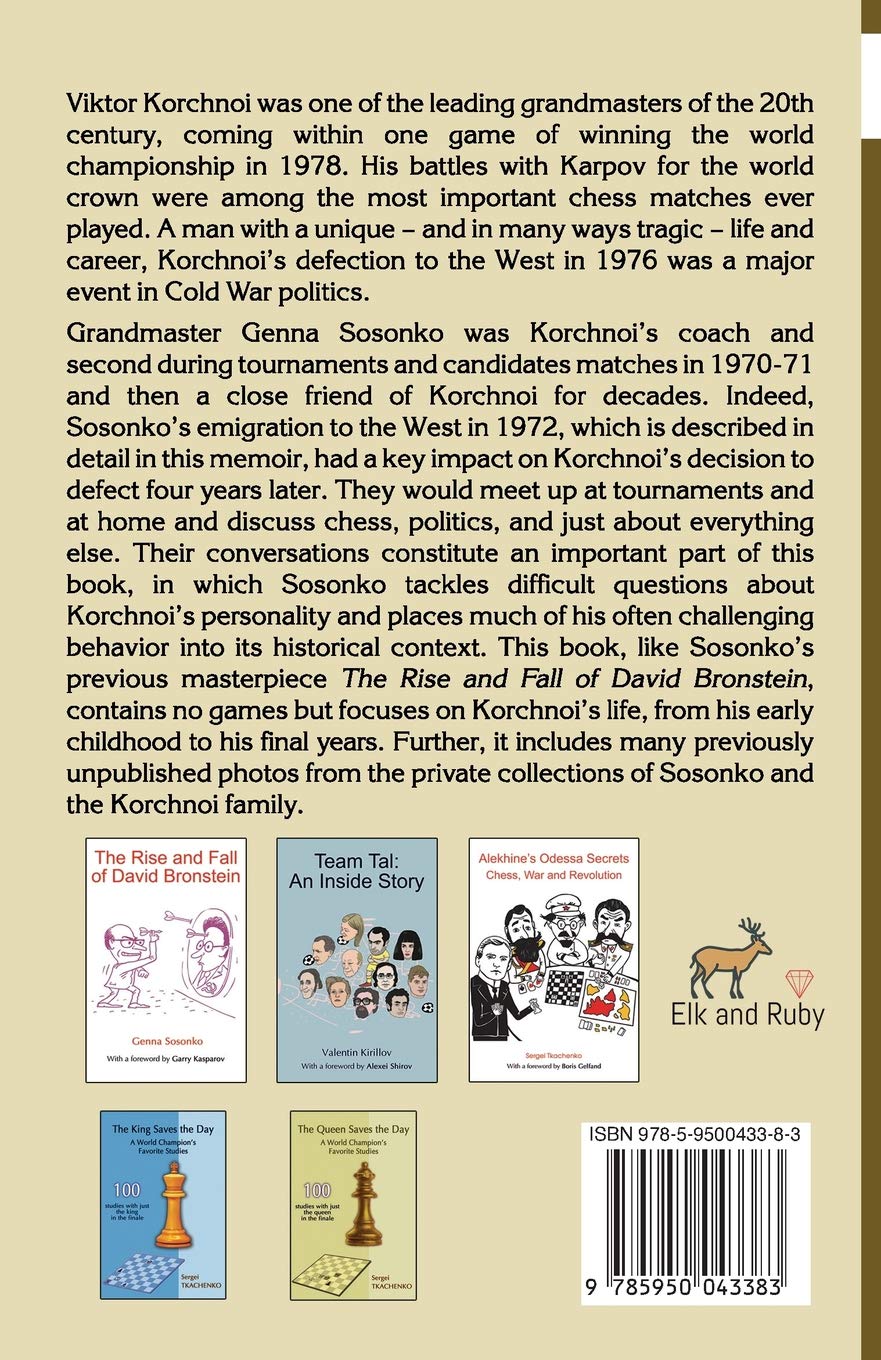
Evil-Doer : Half a Century with Viktor Korchnoi : Genna Sosonko
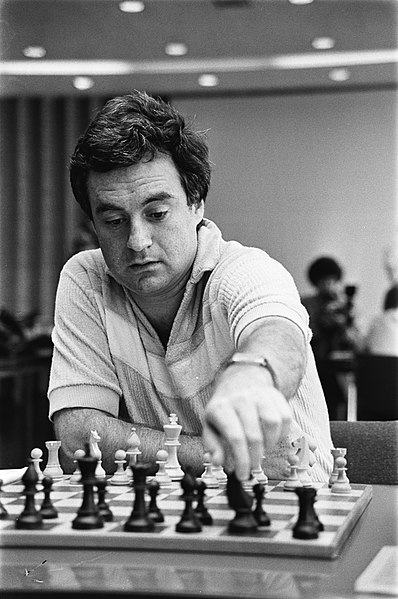
Gennadi Borisovich Sosonko

Genna Sosonko emigrated from the USSR to the Netherlands in 1972.  For the past 20 years or so he’s made a career out of writing essays and books about chess in the Soviet Union, and interviewing many of the leading players from that period.

It was Saturday 17 January 1976. The height of the English Chess Explosion.  Richmond Junior Chess Club had opened its doors for the first time just a few months earlier.

As was customary at the time, the visiting Soviet GMs who had been competing at Hastings played simuls against prizewinners from the London Junior Championships, which in those days attracted most of the country’s top young players. And so it was that I was there at a London school to witness two of the all-time greats, Bronstein and Korchnoi, taking on the cream of England’s up and coming chess talents.

The contrast was noticeable.  Bronstein played fast, took some risks and finished quickly (+17 =9 -4). Korchnoi played slowly, taking every game seriously, and using 7 hours to complete his 30 games (+20 =9 -1), losing only to a certain N Short. He said at the time something to the effect that he wanted his young opponents to understand what it was like to play against a strong grandmaster.

This story sums up the difference between two men who had much in common but a very different attitude towards chess.

Bronstein was born in Ukraine, the son of a Jewish family. Korchnoi’s Polish Catholic father and Jewish mother had moved from Ukraine to Leningrad a few years before he was born. Both men were obsessed with chess while neither had great social and communication skills. Both, of course, came within a whisker of becoming world champion.

I’ve recently reviewed Sosonko’s memoirs of Smyslov and Bronstein: the book in front of me now is without doubt the most successful of the trilogy. Korchnoi and Sosonko had been close friends for half a century, although at one point not on speaking terms for some time.

Korchnoi could at times be rude, argumentative and bad-tempered, but that was part of the man, and his friends, such as Sosonko, accepted and perhaps even respected him for it. On reading an article in which Nigel Short, his young conqueror all those years ago in the London Juniors simul, described  him as a ‘cantankerous old git’, he confessed that, although his English was pretty good, he was only familiar with one of the three words. Growing up as he did during the Siege of Leningrad, suffering his parents’ divorce and the death of his father, poverty, hunger and ill-health, you might think, along with Sosonko, that his difficult personality was understandable. You might also ask yourself whether it was, at least in part, something he was born with.
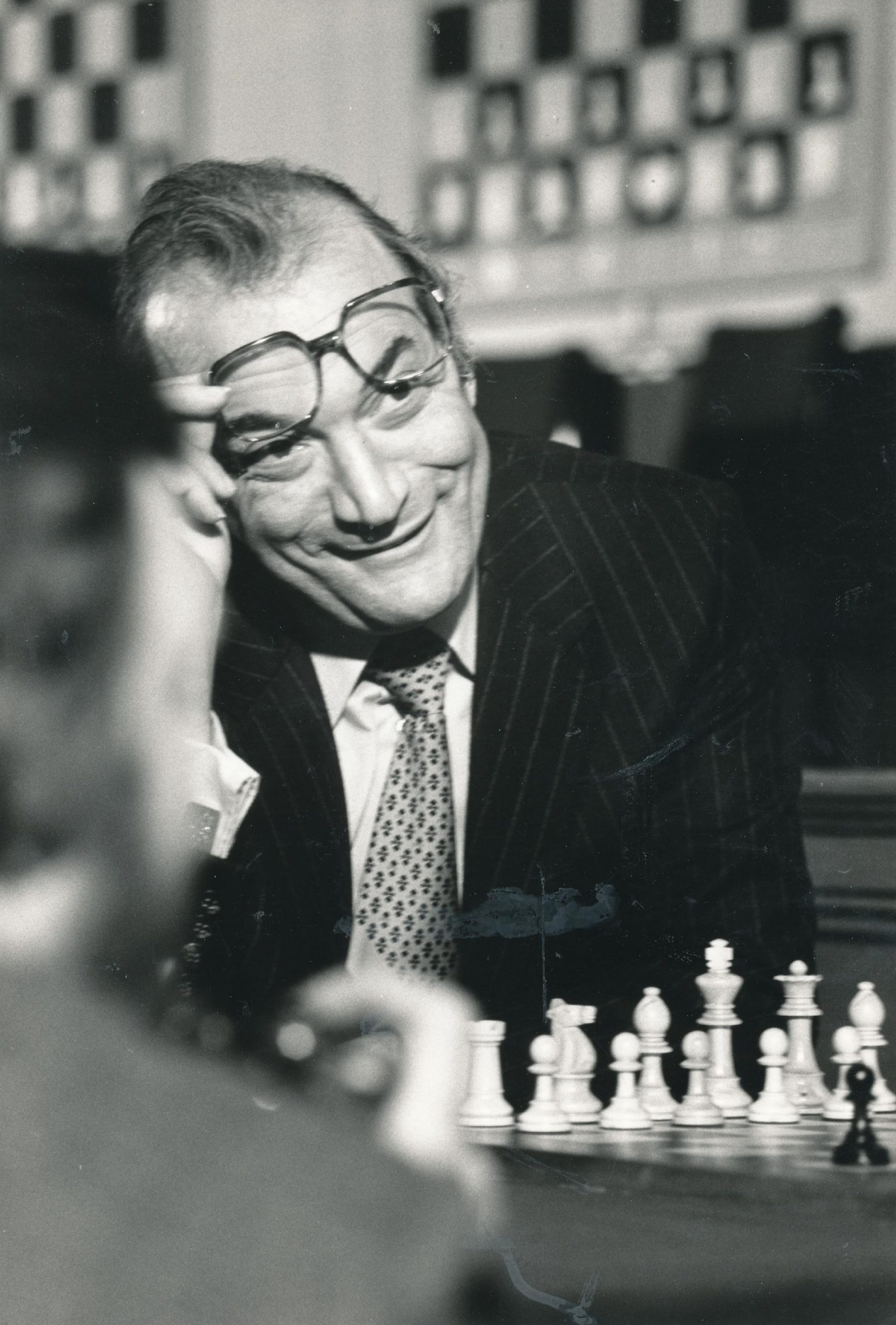
Viktor Lvovich Korchnoi

“I have problems communicating with other people”, he once said. “Therefore, I do what I like the most. Most of all I like chess, and, to be honest, I don’t know what else I could do.” (No, I don’t know  when or where he said it, but that’s Sosonko for you. No sources, just lots of ‘he saids’, allegations and speculations.)

Korchnoi admitted and accepted his differences, while Bronstein, to use the current vogue word, masked his differences.

Bronstein peaked early, while Korchnoi peaked remarkably late. Bronstein seemed to play for fun, driven by fantasy and imagination, while Korchnoi was a dour and dogged defender who took every game seriously. But it was Bronstein who gradually fell out of love with chess, his obsession turning from the game itself to the perceived injustices he suffered. Korchnoi, in contrast, like Edith Piaf, regretted nothing and remained passionately devoted to chess right to the end of his life.

A long and eventful life it was, too. From wartime hardships to chess stardom, political asylum in the West, world championship matches against Karpov, and his final decades spent quietly (as if Korchnoi could ever be quiet) in Switzerland, it’s all here. Readers of Sosonko’s other books will know what to expect. There’s no chess in it at all, so, unless you’re inspired by Korchnoi’s determination, it won’t do anything to improve your rating. Nor is it an academic history: just memoir and anecdotes. I’m not convinced by the title: ‘evil-doer’ was how he was referred to  by some Soviet players after his defection. It’s a title I might use about Hitler or Stalin, but Korchnoi, whatever his faults, didn’t do evil. But if you want 300+ pages about the man, written by a friend and admirer for half a century, you’ll enjoy reading this book.

Richard James, Twickenham 15th May 2020
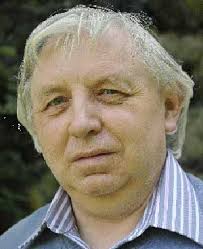
Richard James
Richard James

Book Details :

  • Softcover : 314 pages
  • Publisher:  Limited Liability Company Elk and Ruby Publishing House (17 May 2018)
  • Language: English
  • ISBN-10: 5950043383
  • ISBN-13: 978-5950043383
  • Product Dimensions: 12.9 x 1.8 x 19.8 cm

Official web site of Elk and Ruby
Evil-Doer : Half a Century with Viktor Korchnoi

Happy Birthday GM Matthew Sadler (15-v-1974)

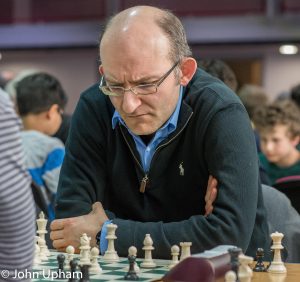
GM Matthew Sadler, photograph courtesy of John Upham Photography

BCN wishes GM Matthew Sadler all the best on his birthday, this day, in 1974.

From Wikipedia :

Sadler won the British Championship in 1995 at the age of 21 and again in 1997 (jointly with Michael Adams).[2] He represented England in the 1996 Chess Olympiad, scoring 10½/13 and winning a gold medal for the best score on board four (England finished fourth), and also played in 1998 scoring 7½/12. He made 7/9 on board four for England at the European Team Chess Championship in Pula in 1997.[3] His was the best individual score of the five-man English team and so contributed significantly to England’s first (and to date only) gold medal in a major competition.

Anatoli Vaisser vs Matthew Sadler, Cappelle-la-Grande, 1991

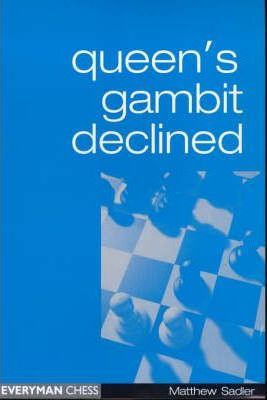
For several years, he was the book reviewer for New in Chess magazine and also wrote books and articles for other chess magazines. In 2000, his book Queen’s Gambit Declined (published by Everyman) was awarded the British Chess Federation’s book of the year award.[4]

. Queen's Gambit Declined. Everyman. ISBN 978-1857442564.
. Queen’s Gambit Declined. Everyman. ISBN 978-1857442564.

Latterly a resident of Amersfoort, Sadler returned to chess in 2010 to play in a rapidplay tournament held in nearby Wageningen. He won the event with a perfect score of 7/7, finishing ahead of grandmasters Jan Timman, Friso Nijboer and Daniel Fridman. In August 2011, Sadler continued his resurgence by winning the XIII Open Internacional D’Escacs de Sants, scoring 8½/10, ahead of several grandmasters including Jan Smeets. Right thereafter, in October 2011, he went on to compete in the Oslo Chess International; participants included ten other grandmasters, among them Sergei Tiviakov, Jon Ludvig Hammer and Sergey Volkov, all being 2600+ rated. Sadler won convincingly, with 8/9 points and a performance rating of 2849. Going into 2012, the gain in rating points elevated him to fourth rank amongst active English players and also lifted him back into the World Top 100.”

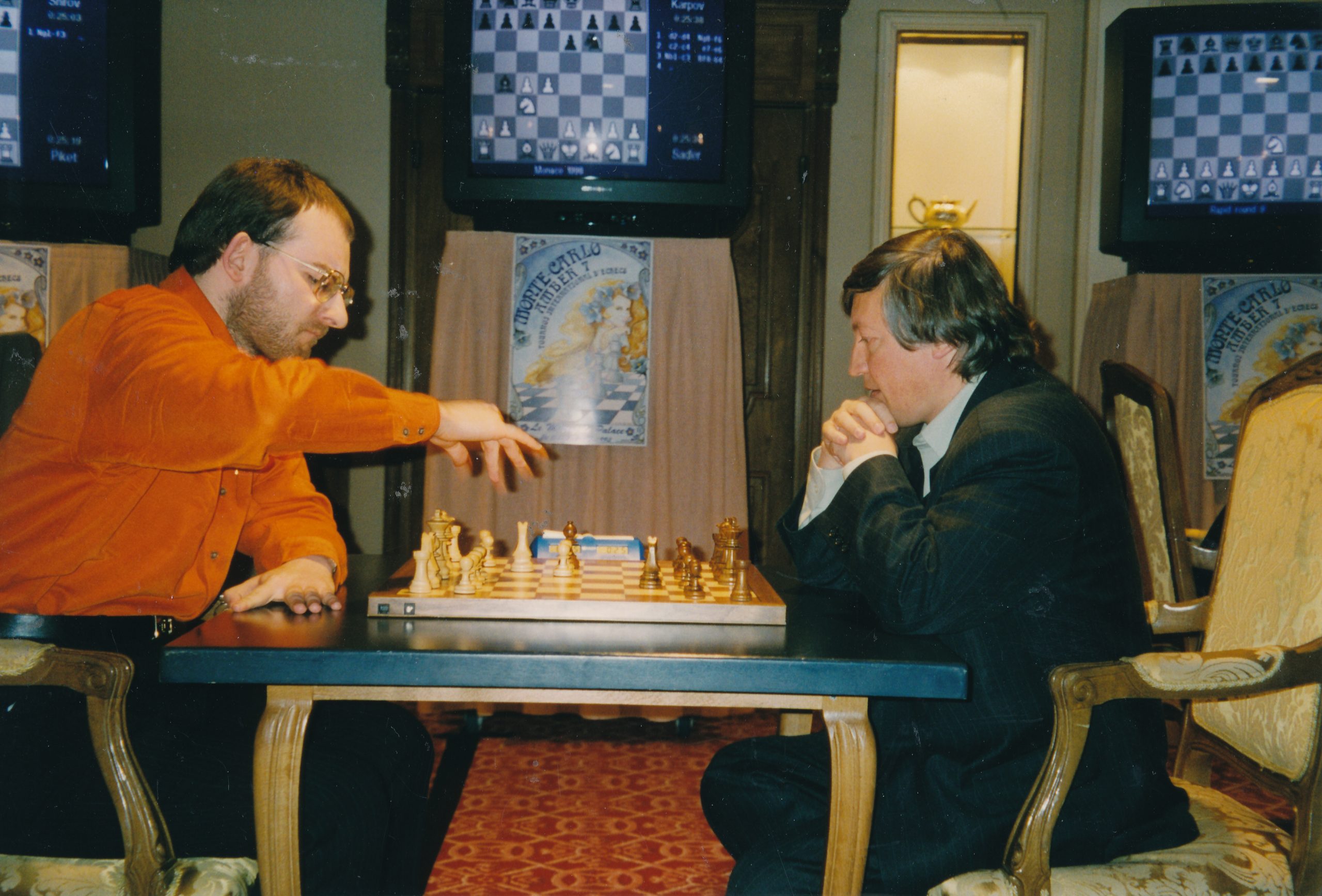
Matthew Sadler plays Anatoly Karpov at the Amber Rapid in 1998. The game was drawn.

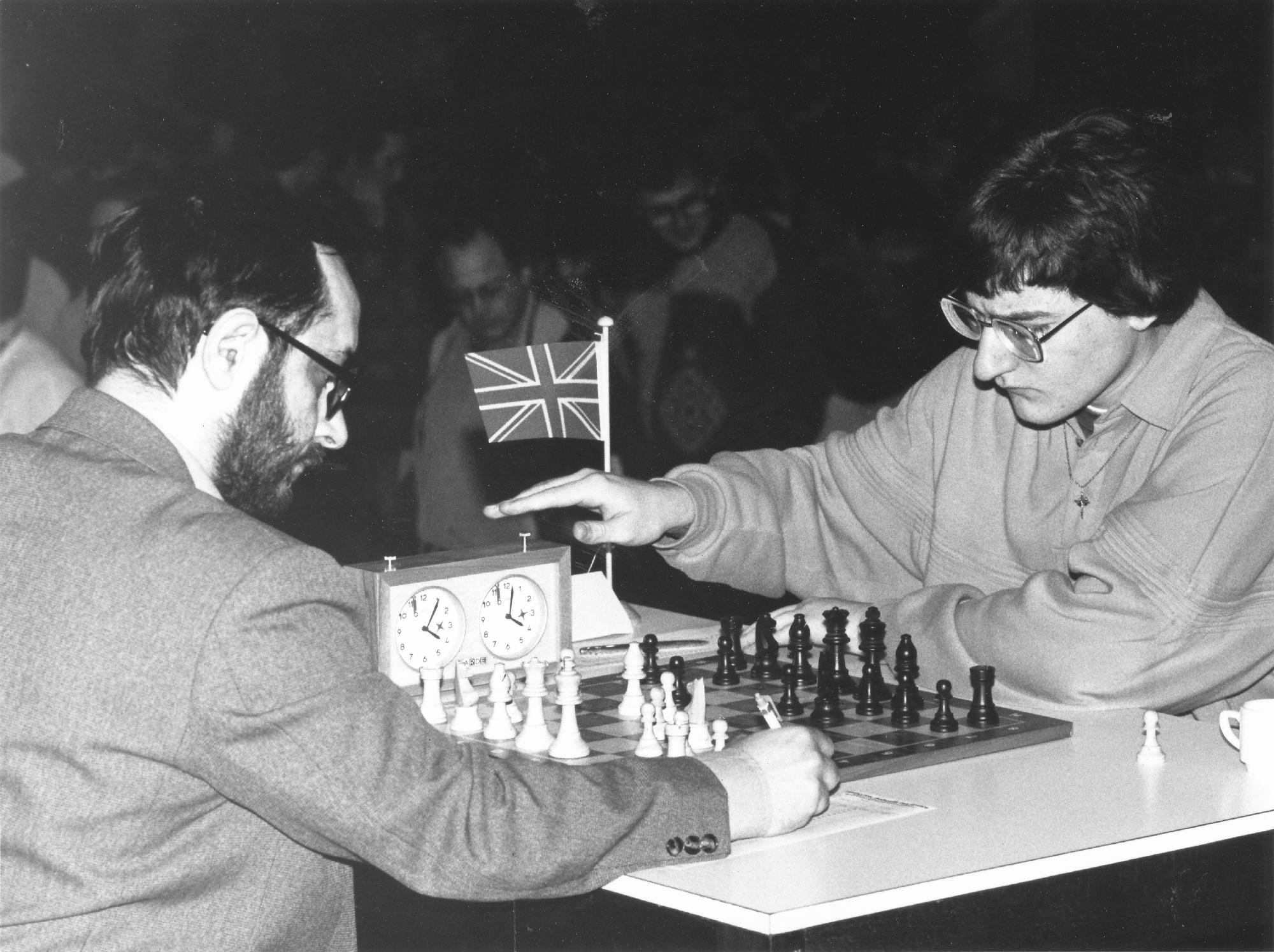
Matthew was Southern Counties (SCCU) champion in the 1989-90 and 1993-94 seasons.

One of Matthew’s favourite games is this quick win against Ladislav Stratil Jr. from the Oakham Young Masters :

[pgn]
[Event “Oakham YM”]
[Site “Oakham”]
[Date “1988.??.??”]
[Round “?”]
[White “Sadler, Matthew D”]
[Black “Stratil, Ladislav Jr”]
[Result “1-0”]
[ECO “A61”]
[WhiteElo “2385”]
[Annotator “British Chess News”]
[PlyCount “33”]
[EventDate “1988.03.??”]
[EventType “swiss”]
[EventRounds “9”]
[EventCountry “ENG”]
[SourceTitle “TD”]
[Source “ChessBase”]
[SourceDate “1994.03.01”]
[SourceVersion “1”]
[SourceVersionDate “1994.03.01”]
[SourceQuality “1”]

{[%evp 0,33,34,8,27,0,-3,-11,58,18,29,72,89,83,127,38,74,101,86,52,56,85,244,
237,237,239,276,284,295,290,357,343,443,267,402,416]} 1. d4 Nf6 2. c4 e6 3. Nf3
c5 4. d5 exd5 5. cxd5 d6 6. Nc3 g6 7. Nd2 Na6 8. Nc4 Nc7 9. e4 $146 (9. a4 b6
10. e4 Ba6 11. Bf4 Nh5 12. Be3 Bg7) 9… b5 10. Na5 a6 $2 {[#]} 11. Bg5 Bg7 12.
Qf3 $18 Bd7 13. e5 $1 dxe5 14. Nb7 Qe7 15. d6 Qe6 16. Bxf6 Bxf6 17. Nxc5 $18
1-0
[/pgn]

Matthew Sadler
Matthew Sadler

In a January 2012 interview, Sadler stated that chess was now primarily a “hobby” for him.[5] While relishing his return to tournament play, Sadler noted that he was now an amateur, and would not be coming back as a professional. He contrasts his present lighthearted attitude with his demeanor during his time as a professional, when he was “working ten hours a day and incredibly intensively”.

Mark Taimanov and Matthew Sadler

Here is a second favourite game of Matthew’s versus Eran Liss at Budapest, 1993 :

[pgn]
[Event “Budapest FS10 GM”]
[Site “Budapest”]
[Date “1993.??.??”]
[Round “11”]
[White “Sadler, Matthew D”]
[Black “Liss, Eran”]
[Result “1-0”]
[ECO “C86”]
[WhiteElo “2535”]
[BlackElo “2405”]
[Annotator “Wolff,P”]
[PlyCount “83”]
[EventDate “1993.10.??”]
[EventType “tourn”]
[EventRounds “11”]
[EventCountry “HUN”]
[EventCategory “9”]
[SourceTitle “CBM 038”]
[Source “ChessBase”]
[SourceDate “1994.02.01”]
[SourceVersion “1”]
[SourceVersionDate “1994.02.01”]
[SourceQuality “1”]

{[%evp 0,83,19,38,25,7,30,29,18,-1,-1,-10,15,-16,2,0,10,-30,-25,-12,-7,-4,1,
-12,46,54,91,95,94,65,54,24,22,8,10,82,71,90,66,60,95,94,94,88,65,64,128,45,55,
50,51,42,51,48,56,69,66,73,68,90,74,56,106,104,125,121,129,129,152,141,181,185,
199,211,260,267,366,461,682,418,392,511,525,260,306,347]} 1. e4 e5 2. Nf3 Nc6
3. Bb5 a6 4. Ba4 Nf6 5. O-O Be7 6. Qe2 b5 7. Bb3 d6 8. c3 O-O (8… Na5 9. Bc2
c5 10. d4 Qc7 11. d5 O-O 12. b3 Bd7 13. Ne1 Ne8 14. c4 $14 {Sokolov,A-Savon,V,
Alushta3 1993}) 9. d4 Bg4 (9… Bb7 $6 10. Rd1 Nd7 11. Nbd2 exd4 12. cxd4 Na5
13. Bc2 $14 c5 14. dxc5 dxc5 15. e5 Qb6 16. Ne4 Rfd8 17. Rxd7 {!?!? — This
sacrifice CANNOT be sound, but it works!} Rxd7 18. Nfg5 Rad8 (18… h6 $5 $17)
(18… Nc4 19. Nxh7 Nxe5 $17) 19. h4 h6 20. e6 hxg5 $4 (20… fxe6 {Black has
the advantage of an exchange and a pawn — AND he has a good position.}) 21.
exd7 Qe6 22. Bxg5 Rxd7 23. Re1 Rd4 $4 24. Bxe7 {1-0, because 24…Qxe7 25.
Nf6+! and 24…Bxe4 25.Bxe4 Qxe7 26.Bh7+.}) 10. Rd1 Qc8 {[#]} (10… exd4 11.
cxd4 d5 12. e5 Ne4 13. a4 $5 {This is the topical line these days. It was this
move — 13.a4 — that Short played against Karpov in their candidates match in
1992. But this line is still the best for Black. See Polgar,J-Spassky,B
Budapest Match 1993.}) 11. Be3 $5 $146 Re8 (11… Nxe4 $4 12. Bd5) (11… d5
12. exd5 e4 (12… Na5 13. dxe5) 13. dxc6 exf3 14. gxf3 Bh3 15. Nd2 $16) 12.
Nbd2 Bf8 13. h3 Bh5 14. g4 Bg6 15. Nh4 $1 exd4 (15… Bxe4 16. Nxe4 Nxe4 17.
Bd5 exd4 18. cxd4 Qd7 19. Qf3 $18) (15… Nxe4 16. Nxg6 Nxd2 17. Rxd2 hxg6 18.
Bd5 Qd7 19. Qf3 $18) (15… Na5 16. Bc2 (16. Nxg6 Nxb3 17. Nxb3 hxg6 18. f3 $14
) 16… exd4 17. Bxd4 $16) 16. cxd4 {[#]} Bxe4 (16… Nxe4 17. Nxg6 Nxd2 18.
Rxd2 hxg6 19. Bd5 Qd7 20. Qf3 $18) (16… Na5 17. Nxg6 (17. Bc2 Bxe4 $1 $17 (
17… Nxe4 18. Nxg6 Nxd2 19. Nxf8 $16)) 17… Nxb3 18. Nxb3 hxg6 19. f3 c5 (
19… c6 20. Rac1) 20. Rac1 c4 21. d5 $1 $16 ) 17. Nxe4 (17.
g5 $4 Qxh3 18. Nxe4 Rxe4 $1 19. Ng2 Ng4 $19) 17… Rxe4 (17… Nxe4 18. Bd5 Qd7
(18… Nb4 $142 19. Bxa8 Qxa8 $16) 19. Qf3 $18) 18. Qf3 $44 {> Matthew Sadler[/caption]

and thirdly this game of Matthew’s vs Jan Smeets is another favourite :

[pgn]
[Event “Barcelona Sants op 13th”]
[Site “Barcelona”]
[Date “2011.08.28”]
[Round “10”]
[White “Sadler, Matthew D”]
[Black “Smeets, Jan”]
[Result “1-0”]
[ECO “D48”]
[WhiteElo “2625”]
[BlackElo “2628”]
[Annotator “johnu”]
[PlyCount “67”]
[EventDate “2011.08.19”]
[EventType “swiss”]
[EventRounds “10”]
[EventCountry “ESP”]
[SourceTitle “CBM 144 Extra”]
[Source “ChessBase”]
[SourceDate “2011.10.28”]
[SourceVersion “1”]
[SourceVersionDate “2011.10.28”]
[SourceQuality “1”]

{[%evp 0,67,19,31,19,-16,26,36,27,35,34,42,46,59,40,42,41,25,16,7,4,-15,-11,1,
-5,-3,-2,-23,67,-39,-42,-16,3,11,45,53,14,31,31,9,58,29,81,-48,-6,-119,-29,62,
245,266,372,365,401,349,385,425,457,457,731,294,290,311,288,286,268,344,505,
505,857,886]} 1. d4 d5 2. c4 c6 3. Nc3 Nf6 4. e3 e6 5. Nf3 Nbd7 6. Bd3 dxc4 7.
Bxc4 b5 8. Bd3 Bb7 9. O-O a6 10. e4 c5 11. d5 Qc7 12. dxe6 fxe6 13. Bc2 c4 14.
Ne2 Nxe4 $146 (14… Bd6 15. Ned4 Nc5 16. b4 Ncxe4 17. Nxe6 Qd7) 15. Ned4 e5
16. Ne6 Qb6 17. Bxe4 Bxe4 18. Nfg5 {[%cal Gd1h5]} Bg6 19. a4 b4 20. Qg4 Qc6 21.
f4 Bd3 22. Be3 Nf6 {[#]} 23. Nc7+ $1 Ke7 $2 (23… Qxc7 24. Qe6+ Be7 25. Qf7+
Kd7 26. Qe6+ Ke8 $11) 24. Qh3 $18 e4 25. Nxa8 h6 26. Nc7 Bxf1 27. Rxf1 hxg5 28.
Qxh8 g4 29. Nxa6 Kf7 30. Nxb4 Bxb4 31. Qd8 Nd5 32. Rd1 Bd6 33. a5 Qa4 34. Rxd5
1-0
[/pgn]

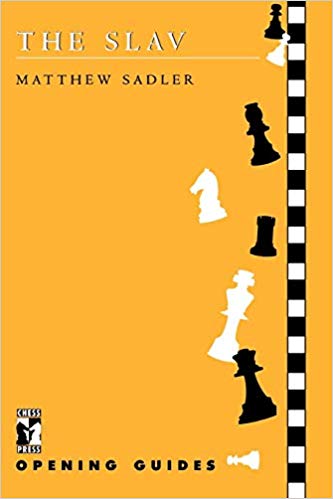
The Slav. Everyman. ISBN 978-1901259001.
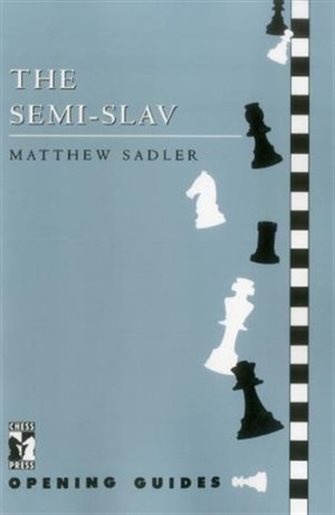
The Semi-Slav. Everyman. ISBN 978-1901259087.
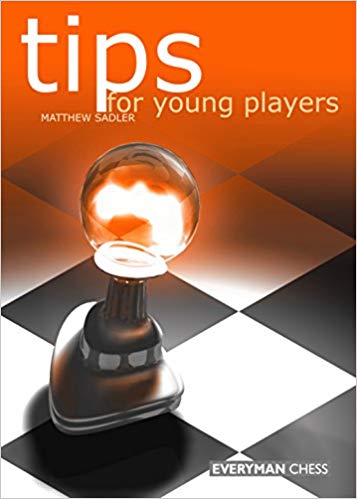
 Tips For Young Players. Everyman. ISBN 978-1857442311.
Tips For Young Players. Everyman. ISBN 978-1857442311.
. Queen's Gambit Declined. Everyman. ISBN 978-1857442564.
. Queen’s Gambit Declined. Everyman. ISBN 978-1857442564.
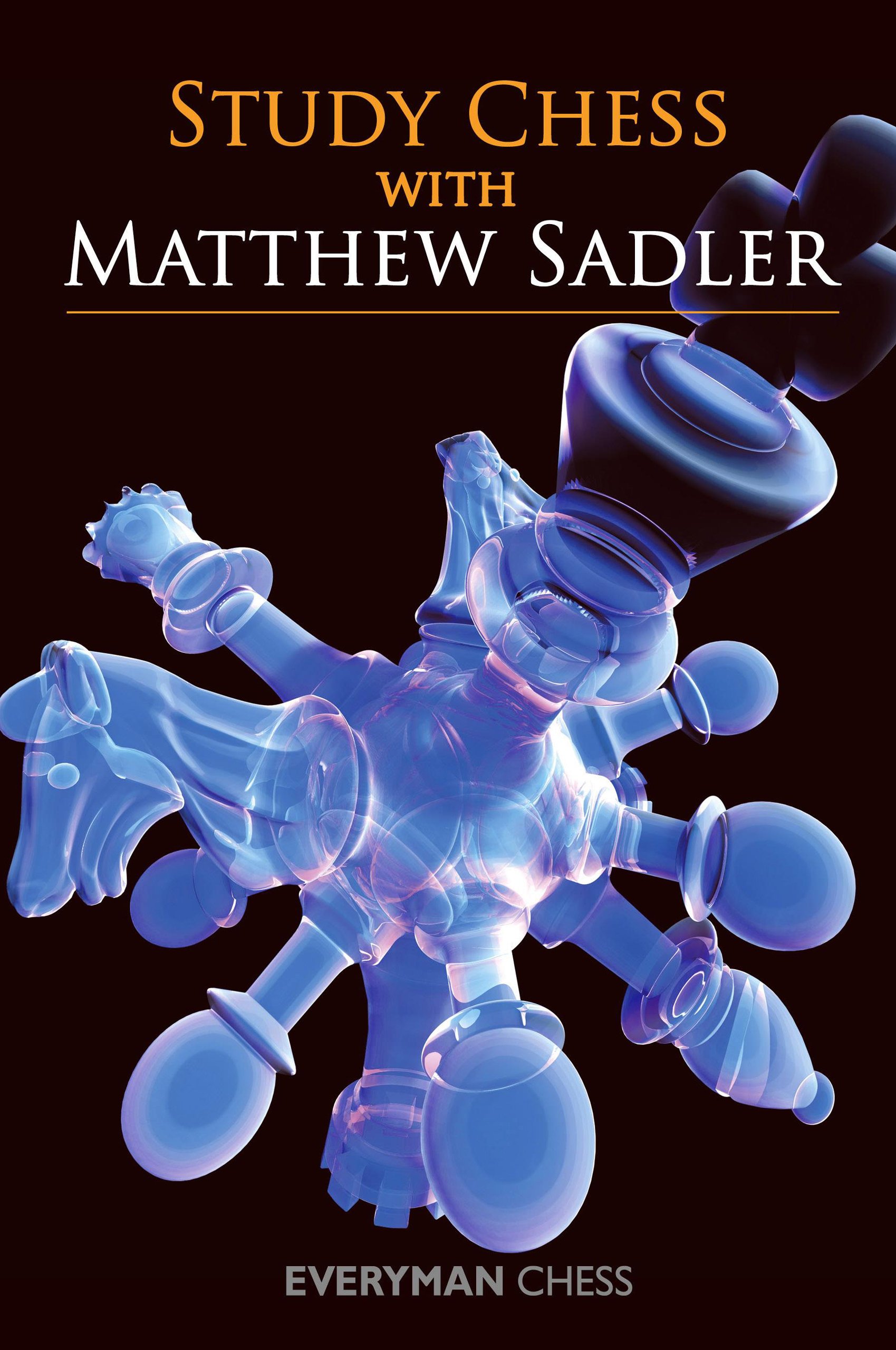
 Study Chess With Matthew Sadler. Everyman. ISBN 978-1857449907.
Study Chess With Matthew Sadler. Everyman. ISBN 978-1857449907.
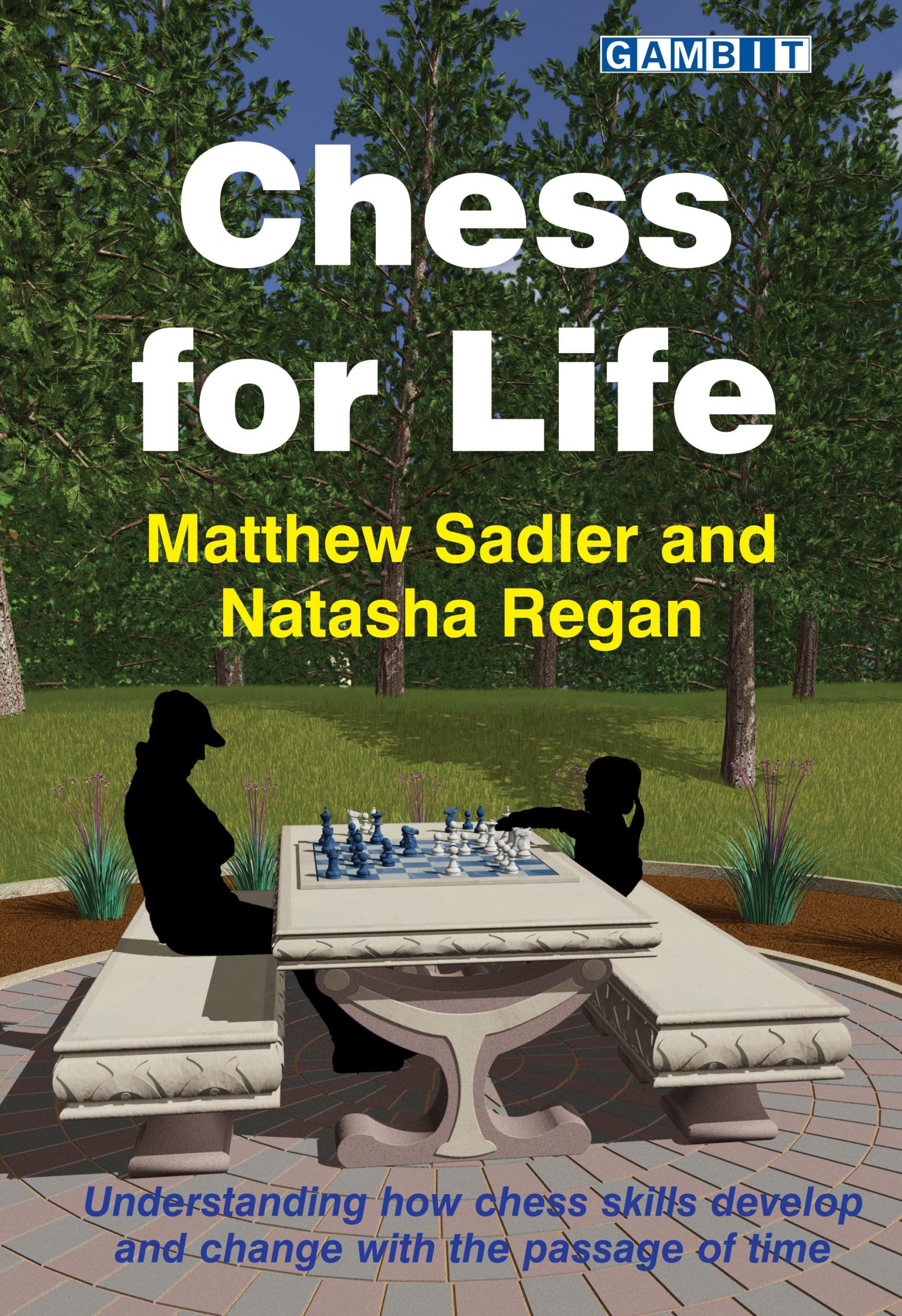
Chess For Life. Gambit. ISBN 978-1910093832.
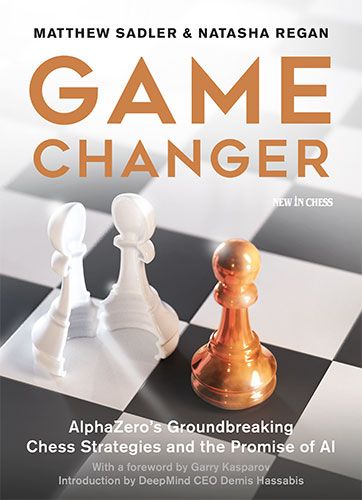
 Game Changer. New In Chess. ISBN 978-9056918187.
Game Changer. New In Chess. ISBN 978-9056918187.