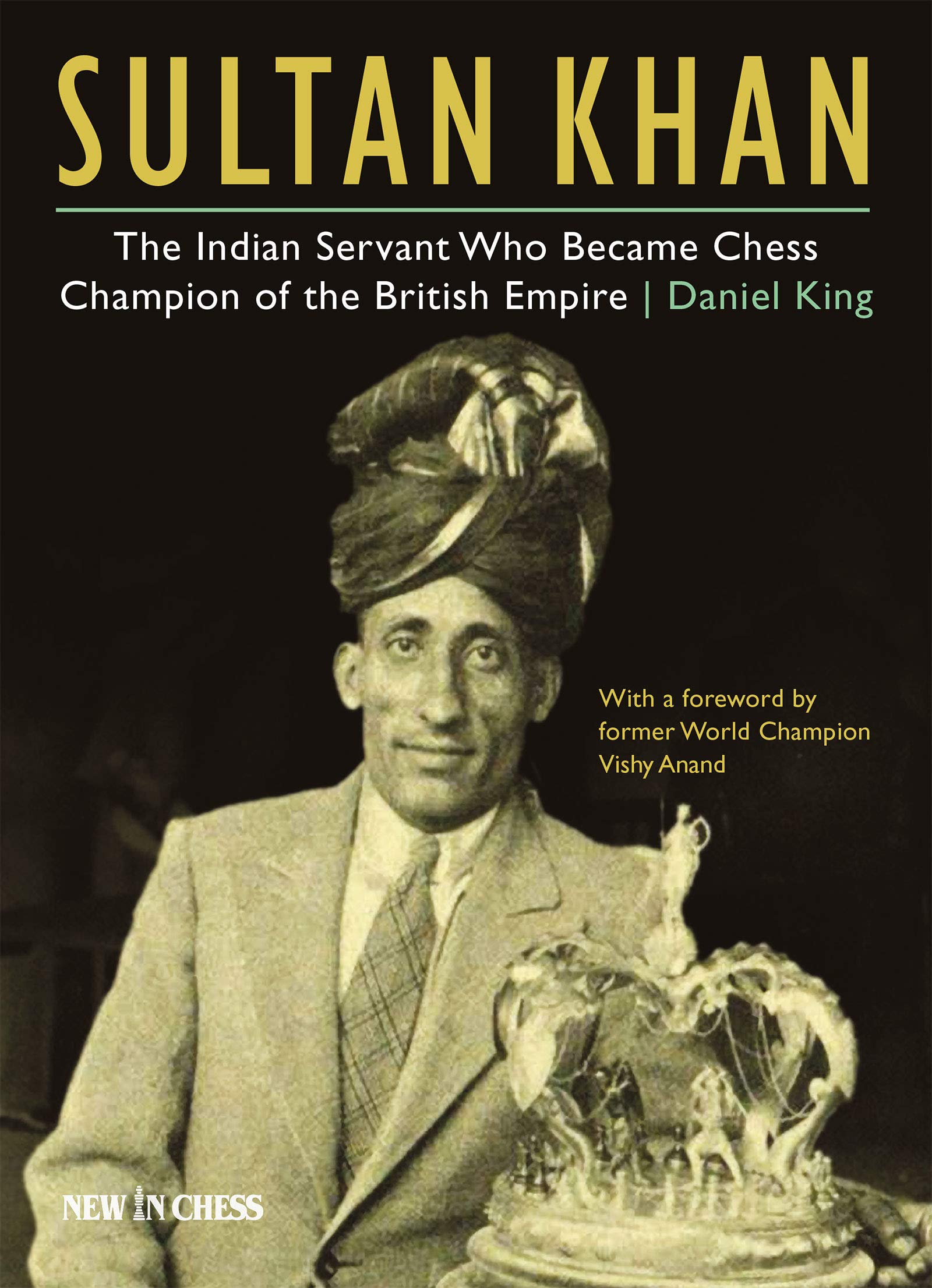
Sultan Khan : The Indian Servant Who Became Chess Champion of the British Empire

Sultan Khan: The Indian Servant Who Became Chess Champion of the British Empire

Sultan Khan : The Indian Servant Who Became Chess Champion of the British Empire : Daniel King

GM Daniel King
GM Daniel King

“Daniel King (1963) is an English grandmaster, coach, journalist and broadcaster. He has written 16 chess books on topics ranging from opening preparation to the self-tutoring How Good is your Chess? and Test Your Chess.”

From the rear cover :

“Sultan Khan arrived in London in 1929. A humble servant from a village in the Punjab, he created a sensation by becoming the British Empire champion. Sultan Khan competed in Europe with the leading chess players of the era. His unorthodox style often stunned his opponents, as Daniel King explains in his examination of the key tournaments in Khan’s career. King has uncovered a wealth of new facts about Khan, as well as dozens of previously unknown games. Now for the first time the full story can be told of how Khan was received in Europe, of his successes in the chess world and his return to obscurity after his departure for India in 1933.”

Daniel King, well known as a writer and broadcaster, here turns his hand to chess history, and one of the most fascinating stories our game has produced.

It would be remiss of me not to mention at the start that Sultan Khan’s family, whom the author chose not to consult,  are very unhappy about the book. You can read a review by Dr Atiyab Sultan, Sultan Khan’s granddaughter, here.

Dr Sultan and her father also write about Sultan Khan here.

I’ll leave that with you: you can decide for yourself whether or not it will deter you from buying the book. I have my views but prefer to concentrate on the chess.
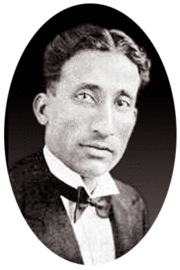
Malik Mir Sultan Khan

What we have is a collection of Sultan Khan’s most interesting games (in some cases only the opening or conclusion) with excellent annotations. It’s not a ‘Best Games’ collection: there are plenty of draws and losses. As you would expect from such an experienced commentator, King knows exactly what, and how much, to tell you. You’ll get clear and concise verbal explanations, with variations only when necessary: an approach entirely suited to Khan’s style of play.

Sultan Khan’s openings were sometimes very poor, even by the standards of the day, on occasion running into trouble by neglecting the essentials of development and king safety, and not always learning from his mistakes. You won’t find a lot of brilliant tactics and sacrifices in his games, either. But he excelled at manoeuvring, and was an outstanding endgame player, winning many points through sheer determination. It was these skills that enabled him to beat Capablanca, draw with Alekhine, and reach, according to Jeff Sonas, the world’s top ten.

Here’s his most famous game, which is treated to six pages of annotations in the book.

[pgn]

[Event “Christmas Congress 1930/31-11 Premier”]
[Site “Hastings Waverley Hotel”]
[Date “1930.12.31”]
[Round “3”]
[White “Sultan Khan, Mir”]
[Black “Capablanca, Jose Raul”]
[Result “1-0”]
[ECO “E12”]
[PlyCount “129”]
[EventDate “1930.12.29”]
[EventType “tourn”]
[EventRounds “9”]
[EventCountry “ENG”]
[SourceTitle “EXT 2017”]
[Source “ChessBase”]
[SourceDate “2016.10.25”]
[SourceVersion “1”]
[SourceVersionDate “2016.10.25”]
[SourceQuality “1”]

1. Nf3 Nf6 2. d4 b6 3. c4 Bb7 4. Nc3 e6 5. a3 d5 6. cxd5 exd5 7. Bg5 Be7 8. e3
O-O 9. Bd3 Ne4 10. Bf4 Nd7 11. Qc2 f5 12. Nb5 Bd6 13. Nxd6 cxd6 14. h4 Rc8 15.
Qb3 Qe7 16. Nd2 Ndf6 17. Nxe4 fxe4 18. Be2 Rc6 19. g4 Rfc8 20. g5 Ne8 21. Bg4
Rc1+ 22. Kd2 R8c2+ 23. Qxc2 Rxc2+ 24. Kxc2 Qc7+ 25. Kd2 Qc4 26. Be2 Qb3 27.
Rab1 Kf7 28. Rhc1 Ke7 29. Rc3 Qa4 30. b4 Qd7 31. Rbc1 a6 32. Rg1 Qh3 33. Rgc1
Qd7 34. h5 Kd8 35. R1c2 Qh3 36. Kc1 Qh4 37. Kb2 Qh3 38. Rc1 Qh4 39. R3c2 Qh3
40. a4 Qh4 41. Ka3 Qh3 42. Bg3 Qf5 43. Bh4 g6 44. h6 Qd7 45. b5 a5 46. Bg3 Qf5
47. Bf4 Qh3 48. Kb2 Qg2 49. Kb1 Qh3 50. Ka1 Qg2 51. Kb2 Qh3 52. Rg1 Bc8 53. Rc6
Qh4 54. Rgc1 Bg4 55. Bf1 Qh5 56. Re1 Qh1 57. Rec1 Qh5 58. Kc3 Qh4 59. Bg3 Qxg5
60. Kd2 Qh5 61. Rxb6 Ke7 62. Rb7+ Ke6 63. b6 Nf6 64. Bb5 Qh3 65. Rb8 1-0

[/pgn]

King offers a lot more than just the games, though. The descriptions of the events in which Sultan Khan participated are enlivened by contemporary reports from newspapers and magazines which portray a vivid picture of the chess world 90 years ago, and of how Khan was perceived within the chess community. Then as now, newspapers would sometimes send non-playing journalists to write a ‘let’s laugh at the weird chess players’ article. Here, for example, is a Daily Herald reporter visiting Hastings for the 1930-31 congress. “DRAWING THE LONG BROW AT HASTINGS”, chortled the headline. “Moving (sometimes) scenes at chess congress.” Yes, very droll.

Although Sultan Khan was a very popular member of the British chess community, much respected for his quiet and modest demeanour, remarks which would today be considered racist sometimes appeared in the press. The London Evening News on Hastings 1932-33: “Sultan Khan, the British Champion, of course, did well; but he is not English by birth, which makes a difference.”
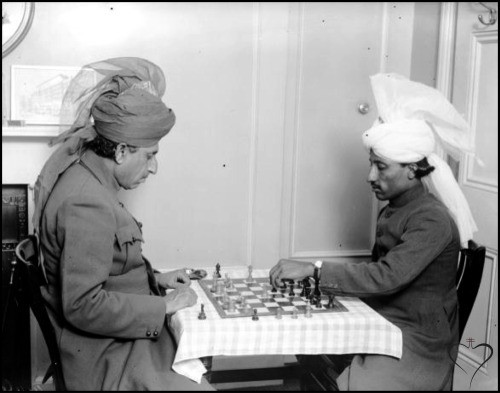
Malik Mir Sultan Khan (right)

King also sketches in the political background behind Sultan Khan’s time in England: the discussions concerning the future of the Indian subcontinent which would eventually lead to independence and the partition in 1947. Writing as someone with embarrassingly little knowledge of the subject, I thought these sections of the book were written with sensitivity and impartiality, but, as the partition is still highly emotive today, I quite understand why others might take a different view.

My main problem with the book is the lack of indexing. There’s an index of names, but I’d also expect indexes of games and openings: something I’d consider essential for a book of this nature. While it was interesting to read something of the history of Western chess in India, a section on John Cochrane would have been useful. I noticed a couple of errors in tournament crosstables (pp 22 and 309), and on p322, EM Jackson mysteriously becomes EM Mackenzie (his middle name).

What you don’t get is a definitive and complete biography and games collection such as McFarland might publish, but Daniel King knows his audience well, and, from the chess perspective, does a thoroughly professional job. If you don’t feel strongly about Sultan Khan’s family’s criticisms, then this book is highly recommended, telling a story full of chess, human and historical interest.

You can see some sample pages on the publisher’s website.

Some more links for anyone interested in finding out more about Sultan Khan:

An article by chess.com blogger simaginfan (Neil Blackburn)

Edward Winter’s feature article about Sultan Khan

A short documentary from 1990 about Sultan Khan and Miss Fatima

Richard James, Twickenham 22nd May 2020
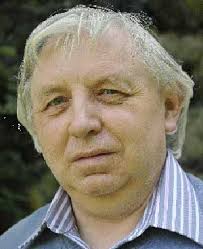
Richard James
. Richard James

Book Details :

  • Paperback : 372 pages
  • Publisher: New In chess (1 Mar. 2020)
  • Language: English
  • ISBN-10: 9056918745
  • ISBN-13: 978-9056918743
  • Product Dimensions: 17 x 23.1 cm

Official web site of New in Chess
Sultan Khan: The Indian Servant Who Became Chess Champion of the British Empire

Happy Birthday IM John Cox (22-v-1962)

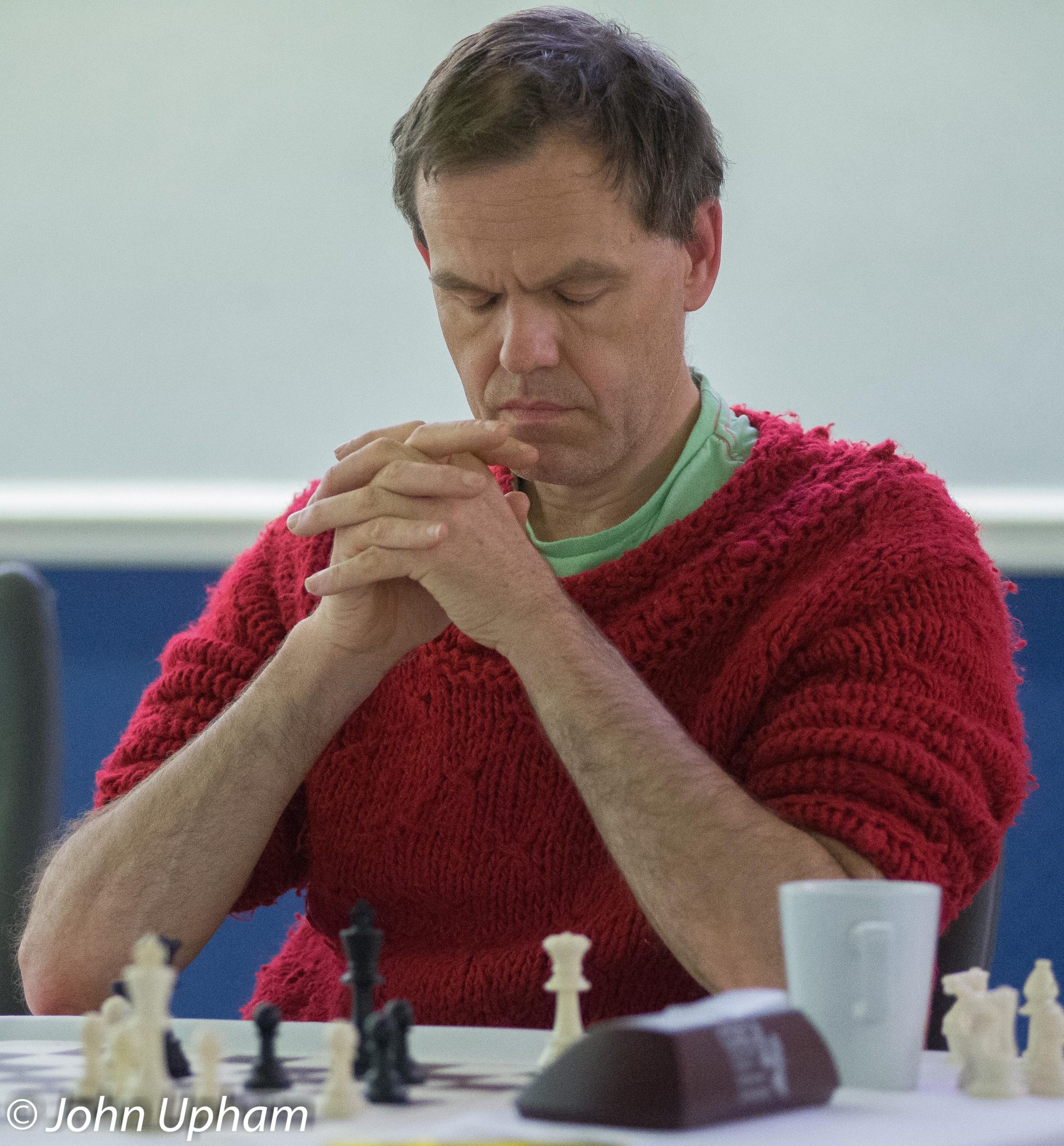
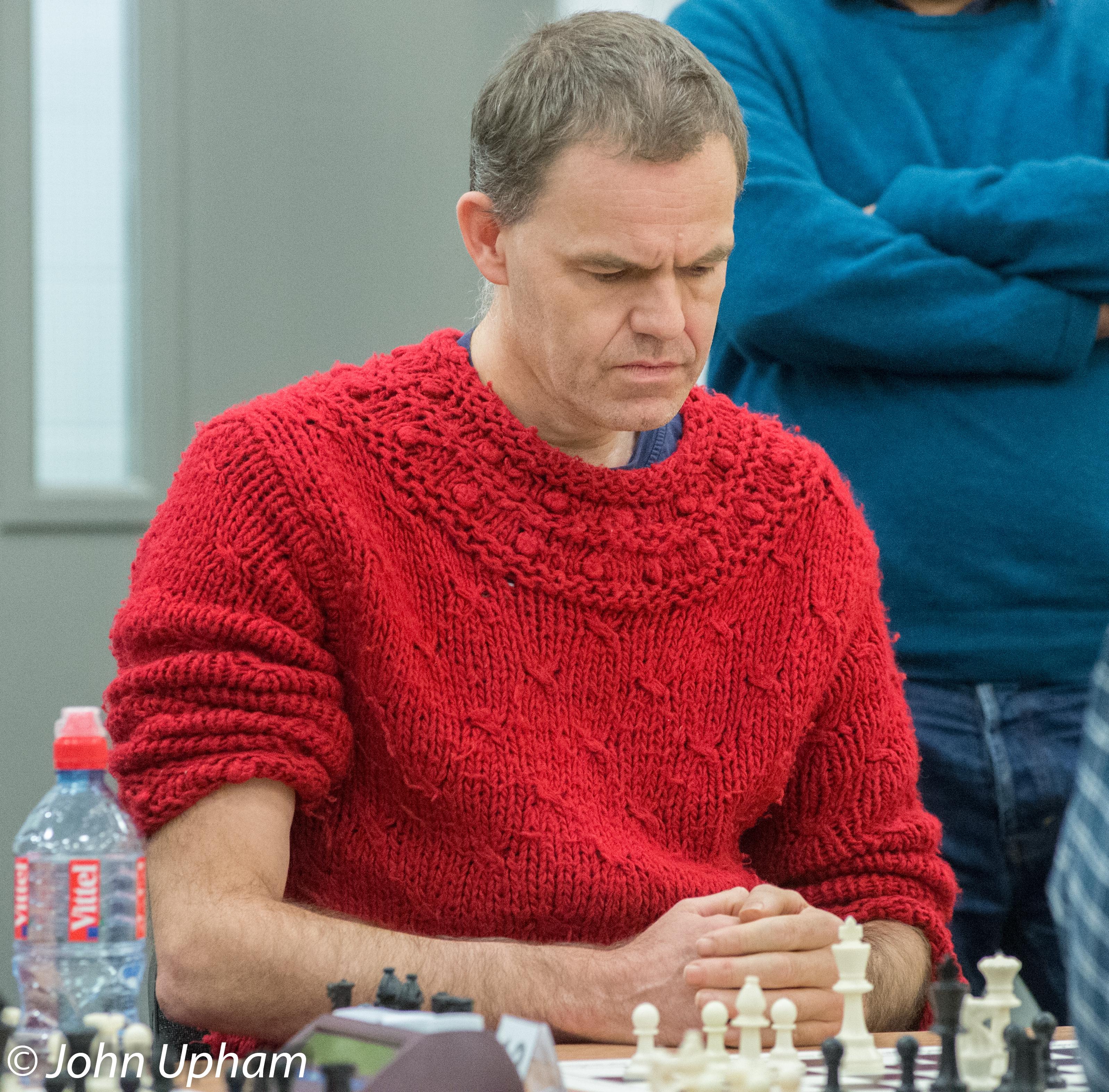
IM John Cox, courtesy John Upham Photography

BCN sends best wishes to IM John James Cox on his birthday, this day, in 1962.

John was born in Altrincham, Trafford, Greater Manchester and moved to Shropshire at the age of three.

John attended Eton College playing top board in the Sunday Times National Schools Competition during the 1977 – 1979 period.

John read classics at Corpus Christi College, Oxford and played in the 1982, 1983 and 1984 varsity matches for Oxford versus Cambridge.

He became a FIDE Master in 1982, an International Master in 2002 and obtained a peak rating of 2423 in January of 2006.

John is a solicitor, owning his own practice of 30 years.

He is an expert bridge player and an amateur rock climber / mountaineer.

John plays for Cavendish in the London League, Hackney in other leagues and Barbican in the Four Nations Chess League (4NCL).

From the excellent Shropshire Chess web site we have :

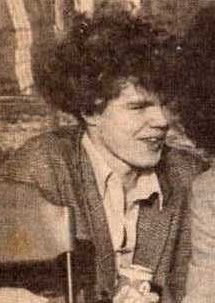
John Cox, aged 17, photographer unknown

“Probably the best home reared player to come out of the county, John Cox started to play at age 6 with his father Jeff (see above) joining Shrewsbury Chess Club at age 7. At age10 he became joint Shropshire lightning champion. He was 16 when he won the 1979 county championship though much of his early success was outside the county. He gained his first FM norm at the 1980 Lloyds Bank Masters where he became the first Shropshire player to beat a GM (see below), also drawing with IM’s Ligterink and Pytel. In 1981 he gained his third norm and the FM title at Ramsgate together with his first IM norm. Though now based in London, he is still a regular visitor to the local Wrekin Congress.”

[pgn]
[Event “Lloyds Bank op 04th”]
[Site “London”]
[Date “1980.08.23”]
[Round “4”]
[White “Cox, John J”]
[Black “Shamkovich, Leonid Alexandrovic”]
[Result “1-0”]
[ECO “A36”]
[BlackElo “2515”]
[Annotator “John J Cox”]
[PlyCount “83”]
[EventDate “1980.08.20”]
[EventType “swiss”]
[EventRounds “9”]
[EventCountry “ENG”]
[SourceTitle “EXT 2001”]
[Source “ChessBase”]
[SourceDate “2000.11.22”]
[SourceVersion “1”]
[SourceVersionDate “2000.11.22”]
[SourceQuality “1”]

{[%evp 0,83,25,-17,23,12,20,-1,10,16,18,-12,-8,-4,18,8,19,3,21,0,14,-10,12,1,
10,29,50,68,52,44,26,33,36,36,41,41,44,44,47,47,44,44,42,42,65,42,66,83,93,87,
163,150,150,169,246,277,315,326,426,439,447,409,406,375,387,422,422,433,452,
377,389,384,413,317,344,361,372,363,372,438,695,735,737,758,774,794]} 1. c4 c5
2. Nc3 Nc6 3. g3 g6 4. Bg2 Bg7 5. e3 e5 {e6 is very drawish so Shamkovich
plays a somewhat riskier line for a win} 6. Nge2 Nge7 7. d3 d6 8. a3 a6 {
He should have played a5 to prevent white’s next} (8… O-O 9. O-O Be6 10. Nd5
Qd7 11. Nec3 Bh3 12. Rb1 Bxg2 13. Kxg2 Nxd5 14. Nxd5 Ne7) 9. b4 $146 {an
imaginative pawn sacrifice to upset the symetrical nature of the position} (9.
Rb1) 9… h5 {Very deep. Before accepting the pawn, Black ensures that, some
move later, he will have an open h file.} 10. h3 {To answer h4 by g4.} cxb4 $5
{Very risky. Better was b5.} 11. axb4 Nxb4 {[#]} 12. Ba3 $1 Nbc6 (12… Nec6 $6
13. Bxb4 (13. Qa4 {with pressure}) 13… Nxb4 14. Qa4+ Nc6 15. Bxc6+ bxc6 16.
Qxc6+ Bd7 17. Qxd6 $16) ({If} 12… a5 13. Bxb4) 13. Ne4 Nf5 14. g4 hxg4 15.
hxg4 Rxh1+ 16. Bxh1 Qh4 {Now we see why the GM ensured that the h file would
be opened in the line which has arisen} {but white has a simple answer :} 17.
gxf5 Qxh1+ 18. Kd2 Qxd1+ 19. Rxd1 Bxf5 (19… gxf5 20. Nxd6+ Kd7 21. Nxf7 $16)
20. Nxd6+ Kd7 21. Nxb7 Rb8 22. Nc5+ Ke8 23. Nc3 $16 ({If} 23. Nxa6 $2 Rb3 $17)
23… Bf8 $2 24. Nxa6 $1 Rb3 $2 {But now it does not work. Black was
presumably upset at missing 24. Na6: ! and and didn’t even consider 24….Bxa3
when John gives the following study-like analysis :} (24… Bxa3 25. Nxb8 Nxb8
26. Ra1 Bd6 27. c5 Bc7 (27… Bxc5 $2 28. Ra8 Bd6 29. Nb5 $18) 28. Nb5 Bd8 (
28… Kd7 29. Ra7) (28… Kd8 29. Ra7) 29. Ra8 Nc6 30. d4 {with excellent
chances.}) 25. Nc7+ Kd7 26. Bxf8 Kxc7 27. Nb5+ Kd7 28. Kc2 $18 {[#] Winning
material by force. The game is virtually over.} Na5 29. e4 Ke8 30. Ra1 Bxe4 31.
dxe4 Kxf8 32. Rxa5 {and Black resigned a few moves later.} Rb4 33. Kc3 Rb1 34.
Na3 Ra1 35. c5 Ke7 36. c6 Rc1+ 37. Nc2 Kd6 38. Rc5 Kc7 39. Kd2 Rf1 40. Ne3
Rxf2+ 41. Ke1 Ra2 42. Nd5+ 1-0
[/pgn]

Here is his Wikipedia entry

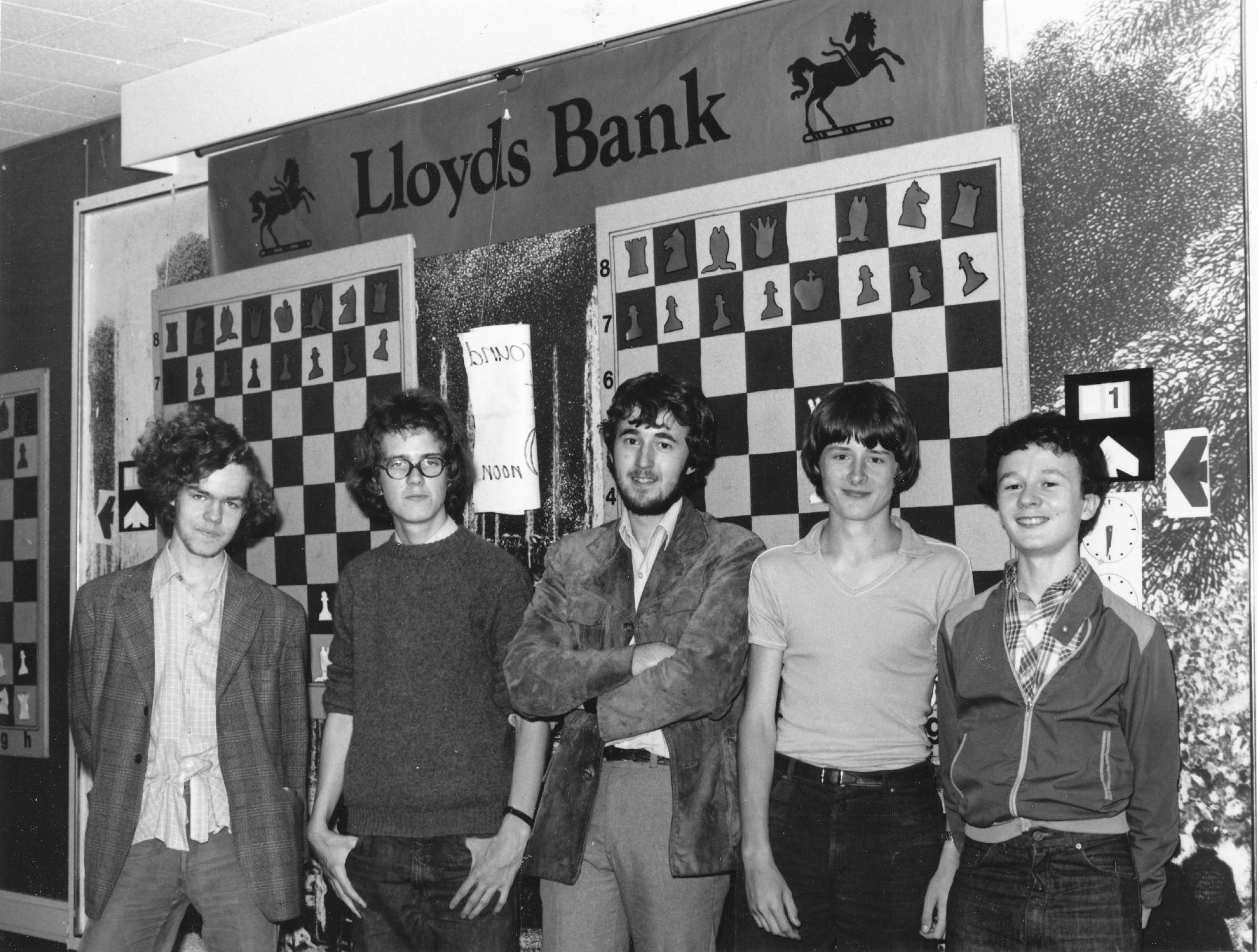
John Cox  (first from left) at a Lloyds Bank event.
John Cox (first from left) at a Lloyds Bank event.
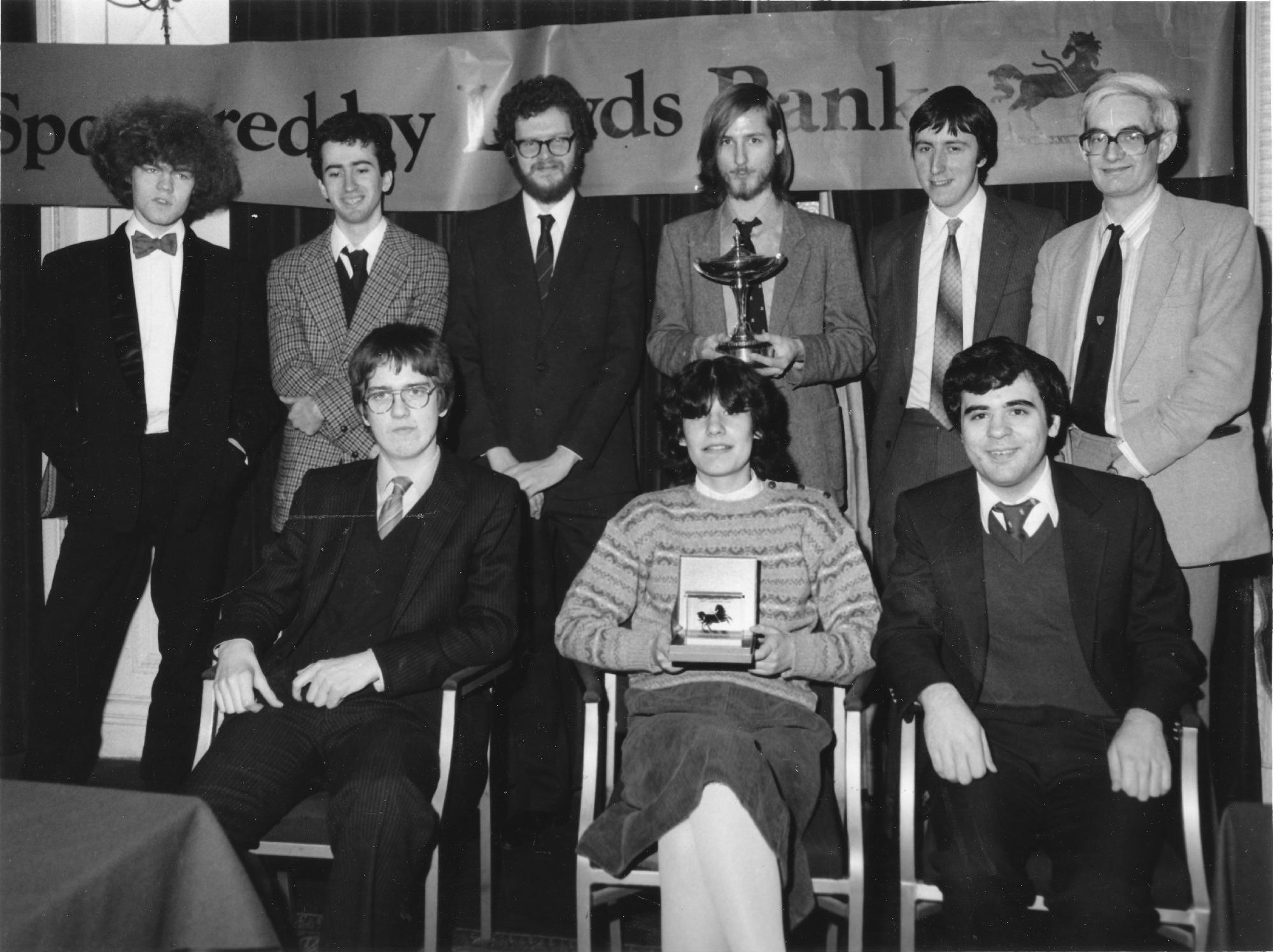
John Cox (left, rear)
John Cox (left, rear) at a Lloyds Bank Varsity match
IM John Cox, courtesy John Upham Photography
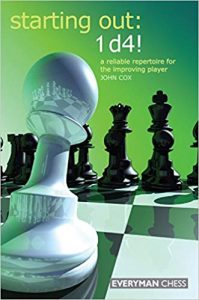
Starting out  1.d4 ! by John Cox
Starting out 1.d4 ! by John Cox
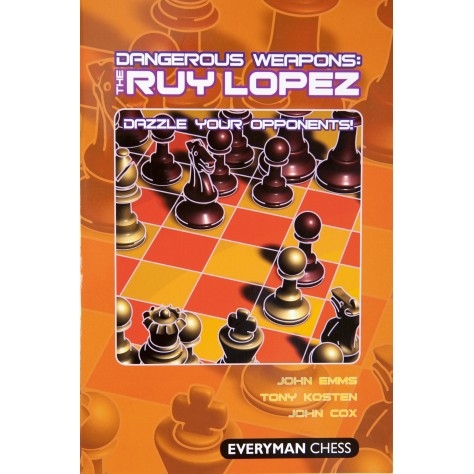
Dangerous Weapons : The Ruy Lopez
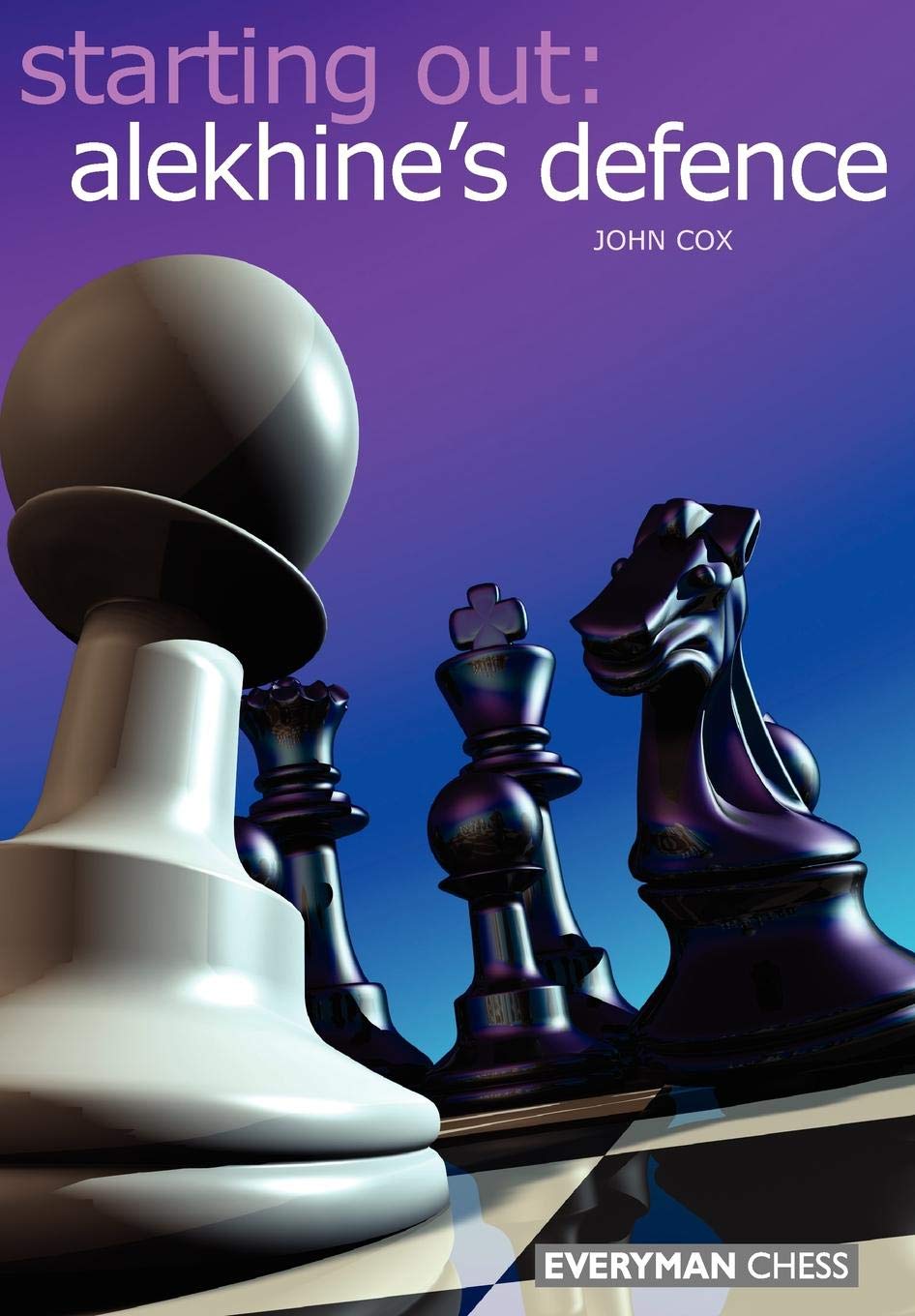
Starting Out : Alekhine's Defence
Starting Out : Alekhine’s Defence
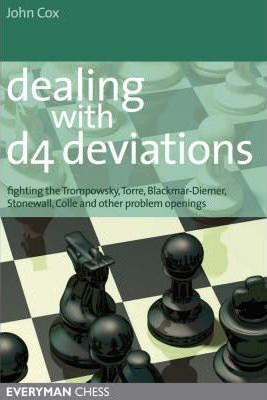
Dealing with d4 Deviations
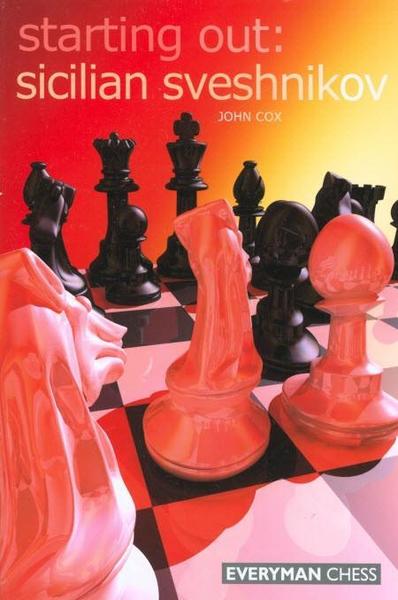
Starting Out : Sicilian Sveshnikov
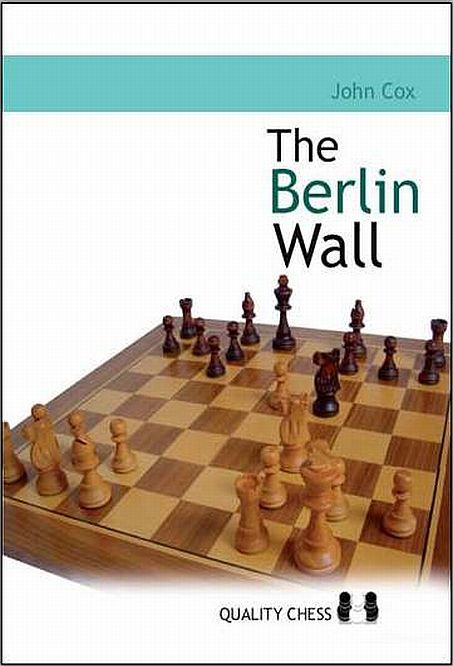
The Berlin Wall
The Berlin Wall