‘Winning Ugly in Chess’ by Cyrus Lakdawala (New in Chess 2019). Index of openings (rich in Sicilians and King’s Indians), Index of Players, 10 chapters, 336 pages. Many games from all eras from Anderssen to recent Swisses. Subtitled ‘Playing badly is No Excuse for Losing’. Paperback, no use of Rabars, no photos but exercises scattered throughout. www.newinchess.com. Cover price $24.95. This exceptional book is offered for sale at the Chess & Bridge Shop in Baker Street for £20.95. Good value!
So, enquires the author, when was the last time you won a perfect game? A game that wasn’t tainted by inferior moves?
Every player knows that smooth wins are the exception and that play is often chaotic and positions are frequently irrational. The road to victory is generally full of bumps and misadventures.
Books supposedly feature superbly played games. In ‘Winning Ugly in Chess’ you will see games, usually quoted in full, where weird moves are rewarded. The prolific author (has he written 43 books?-Ed.) knows that playing good chess is all very well, but that beating your opponent is better, that these are not two heads on the same coin. He shows that this is no paradox or contradiction. It is a fact of life – of chess life, anyway – and he demonstrates the fine art of winning undeserved victories by:
* miraculously surviving chaos
* throwing vile cheapos (swindles)
* refusing to resign in lost positions
* getting lucky breaks
* provoking unforced errors
* finding other ways to land on your feet after a roller-coaster ride.
Lakdawala shows how you can make sure that it is your opponent, not you, who makes the last blunder. he calls it ‘flip-flop a result’. (What would Tartakower have said? Actually, towards the end of his life Tartakower was largely inaudible-Ed.). If you’d rather win a bad game than lose a good one, then this your ideal guide.
The next time the, supposedly, wrong player wins, you could be that player. Welcome to the fine art of winning undeserved victories.
A short review in CHESS 08/19 welcomes this title, adding that it is largely based on Lakdawala’s games and those of his students. This really is a book to be enjoyed on so many levels. Random thought: I wonder why the book calls 1.e4 e5 2. Nf3 Nf6 – as well as the Petroff’s, naturally – the Russian Game? Unusual! The author is an International Master.
Daily Archives: July 16, 2020
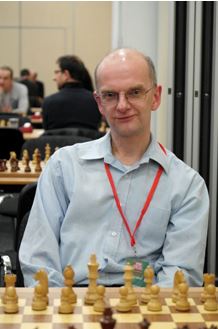
Happy Birthday IM Lawrence Cooper (16-vii-1970)
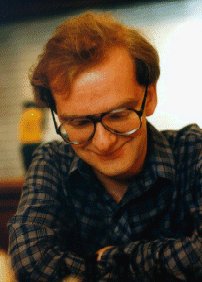
BCN wishes Happy Birthday to IM Lawrence Cooper (16-vii-1970)
Lawrence was born in Stone, Staffordshire and attend Walton High School, Stafford.
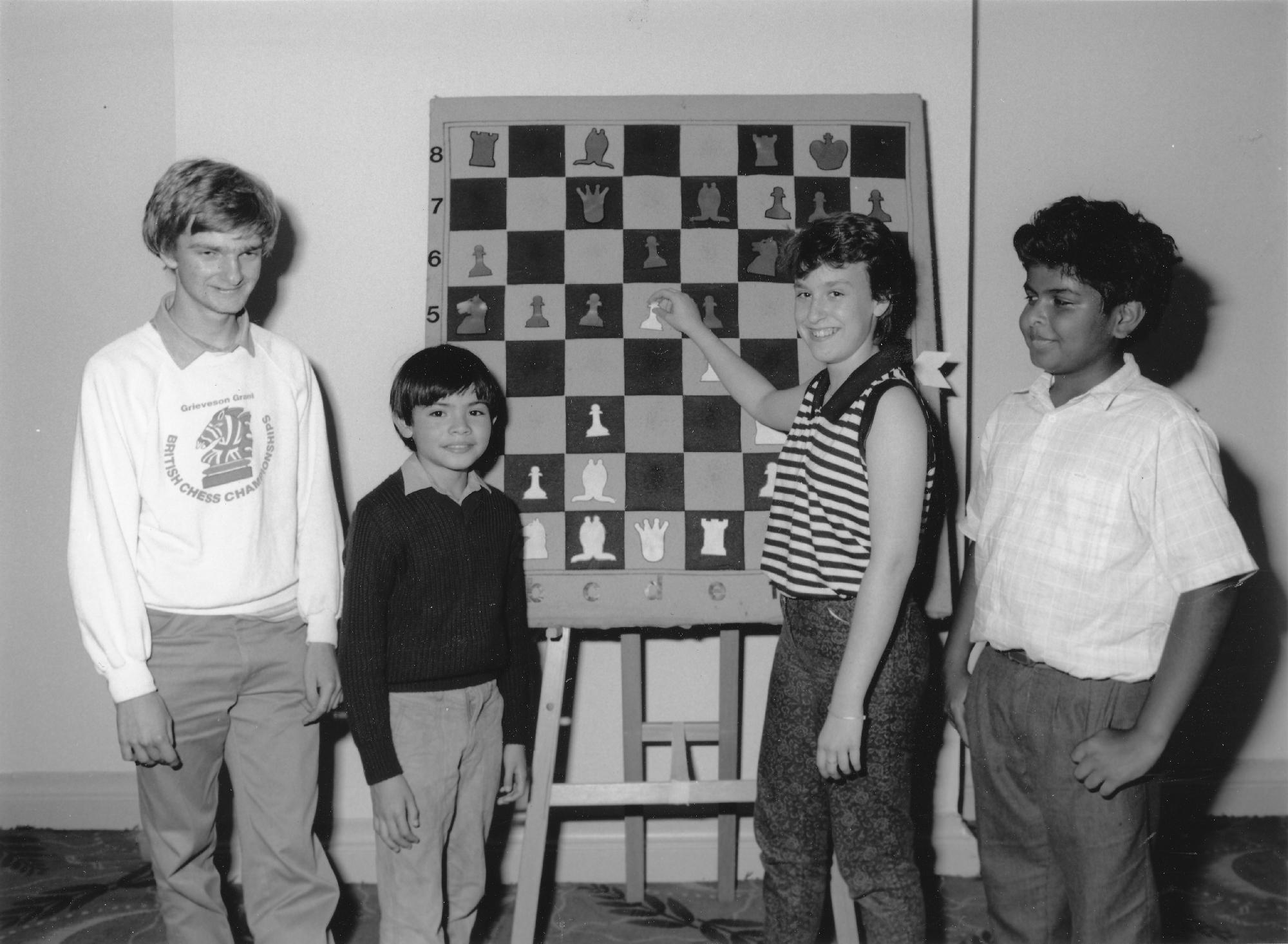
He became a FIDE Master in 1989 and then an International Master in 2001.
Lawrence was awarded the FIDE International Organiser title in 2011 and the FIDE Arbiter title in 2016.
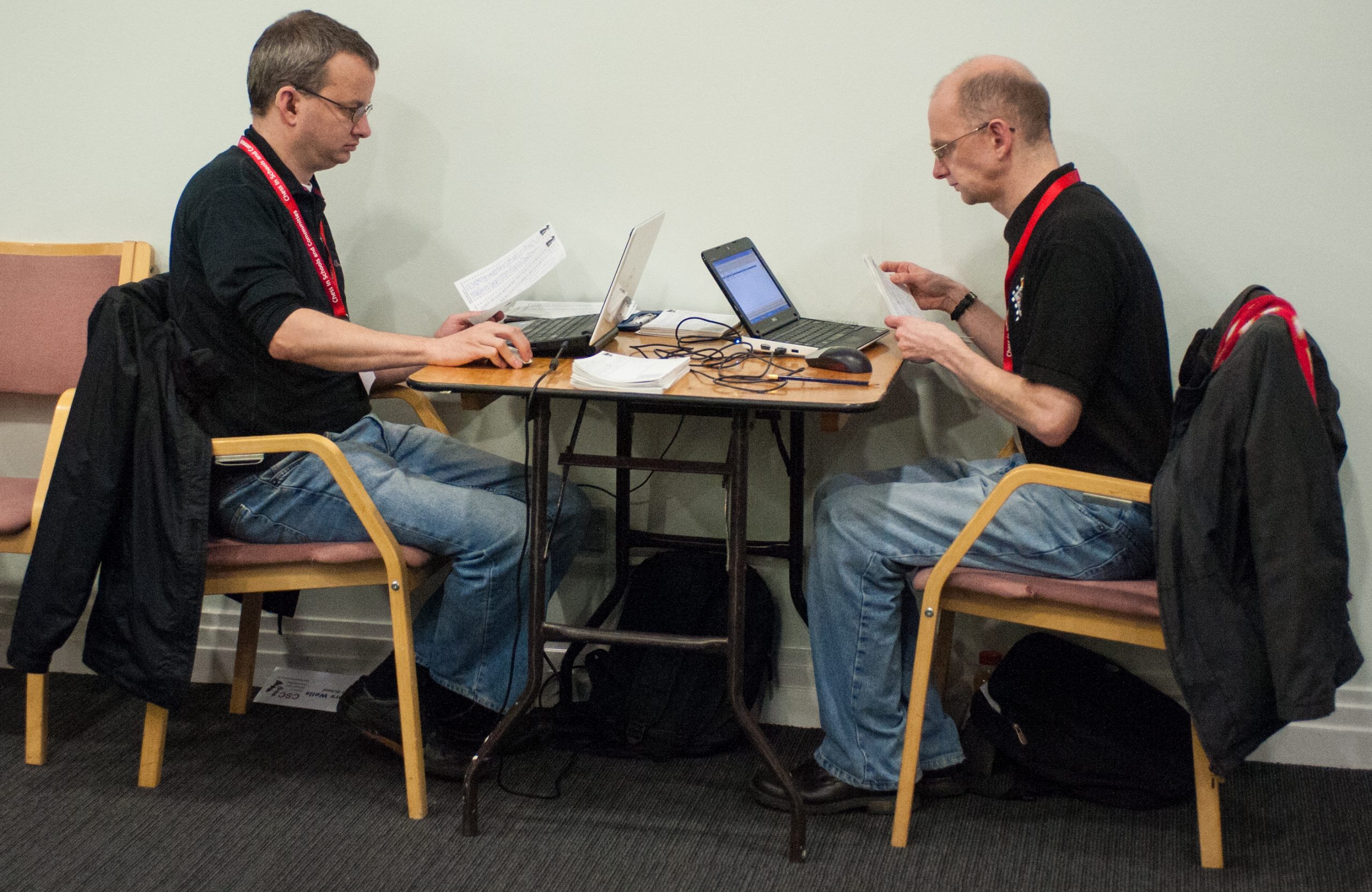
His peak rating was 2430 in January 1988.
Lawrence plays for Wood Green in the Four Nations Chess League (4NCL) plus Newport (Shropshire), Stafford, Bushbury and Worcestershire CCA in other competitions.