Tag Archives: 2020

Birthday of GM Justin Tan (19-iii-1997)

Birthday of GM Justin Hsien Y Tan (19-iii-1997)
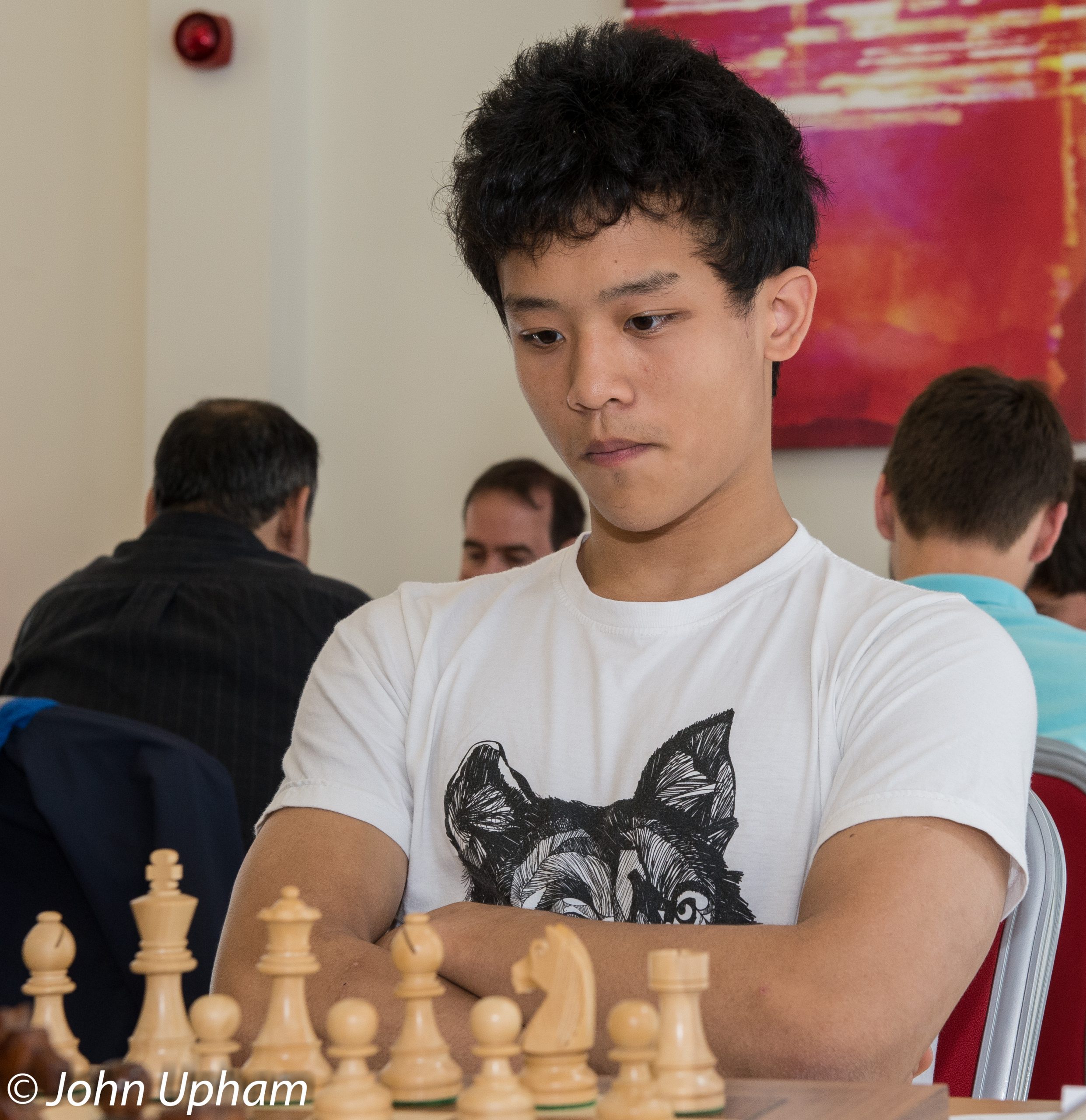
GM Justin Tan
GM Justin Tan

From Chessgames.com :

“Grandmaster (2018).

FM (2013); IM (2015).

Justin Tan is one of Australia’s promising juniors, and is one of two juniors amongst Australia’s top ten players.

International Master Norms

Tan won his first IM norm during the 2013-14 NCL. His 2nd IM norm came at the Caissa GM tournament held in Kecskemet in Hungary in February 2014, and he secured his 3rd IM norm , and the IM title, at the Bunratty Classic 2015 in Ireland on 22 February 2015.

Championships

Tan scored his first positive result against an accredited Master when he drew with WIM Narelle Szuveges in the Noble Park Club Championship in February 2008. Six months later he scored his first win against a master at the Noble Park Grade A Championship when he defeated FM Al-Rashid Abdul Wahab of Iraq. At the age of 12, he competed in the World U16 Championship 2009 that was held in Antalya in Turkey, scoring a solid rating-enhancing 5.5/11. He scored 5.5/9 in the 2011 U14 World Championship, beating the eventual winner FM (and now GM) Kirill Alekseenko in their individual encounter. He first played in the Oceania Zonal 3.6 in 2011 and scored 6.5/9 in the Zonal 3.6 tournament in 2013, earning his FM title under the 50% rule. He placed second to Alastair Cameron in the 2012 Australian U18 Open with 7.5/9 and did well in scoring 6/11 in the 2012 Australian Championship. He was equal second at the Victorian Championship in 2013. In September 2015, he was equal first at the Illinois Open State Chess Championship.

In October and November 2015, Tan contested the World U18 Championship staged in Greece, and placed =4th with 8/11.

Tournaments

<2007-2009> Tan’s first FIDE-rated event was the Arthur Tan Malaysian Open Championship in 2007. His first significant result at the sharp end of the leader board was equal first at the Noble Park Chess Club Open in Melbourne in May 2009.

<2010-2012> In May 2010, he scored his first win against an International Master when he defeated Mirko Rujevic at the City of Melbourne Open. He was equal first at the MCC ANZAC Day Weekender in 2010 alongside Erik O M C Teichmann and Mirko Rujevic, and won the same event in 2012 in Melbourne with 6.5/7. He won the Noble Park Grade A event in 2011, was equal first (second on tiebreak) at the 2011 Noble Park Club Championship, placed fourth in the Noble Park Club Championship 2012, and was equal first at the Noble Park Masters 2012. He finished 2012 by winning the Bob Brooking Round Robin ahead of IMs James Morris and Rujevic.

<2013-2015> 2013 started with equal first at the Noble Park Club Championship. He was equal first at the Canterbury Summer Swiss 2013 held in December 2013 in Melbourne. He chanced his arm at the powerful Isle of Man Masters (2015) held in October 2015, and scored a rating-neutral 4.5/9.

Team Events

6/10 on board 2 at the 2012 World Youth U16 Chess Olympiad, helping the Australia “A” team to 8th place. Tan played board 2 for Oxford 1 in the 2013-14 4NCL, winning his first IM norm during that event.

Rating and Ranking

Tan’s initial rating was 1802 in April 2008. His highest rating and ranking to date is 2446 and Australian #6 in November 2015.”
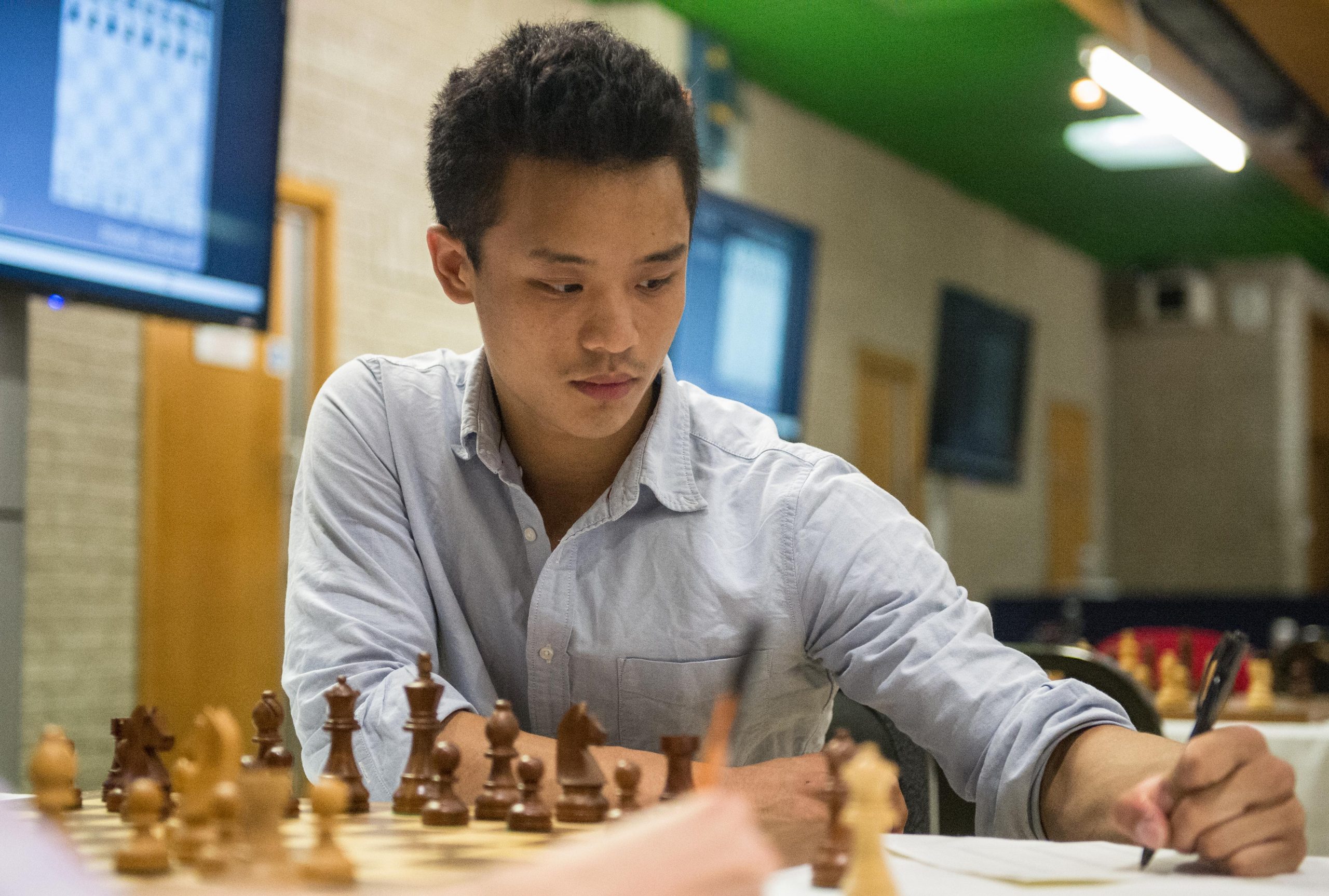
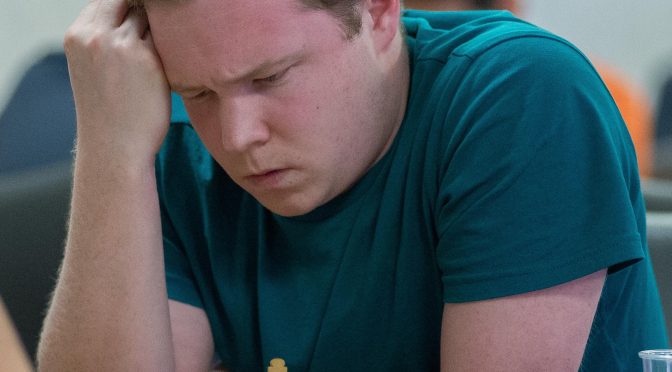
GM Justin Tan
GM Justin Tan

Birthday of GM Justin Tan (19-iii-1997)

Birthday of GM Justin Hsien Y Tan (19-iii-1997)

GM Justin Tan
GM Justin Tan

From Chessgames.com :

“Grandmaster (2018).

FM (2013); IM (2015).

Justin Tan is one of Australia’s promising juniors, and is one of two juniors amongst Australia’s top ten players.

International Master Norms

Tan won his first IM norm during the 2013-14 NCL. His 2nd IM norm came at the Caissa GM tournament held in Kecskemet in Hungary in February 2014, and he secured his 3rd IM norm , and the IM title, at the Bunratty Classic 2015 in Ireland on 22 February 2015.

Championships

Tan scored his first positive result against an accredited Master when he drew with WIM Narelle Szuveges in the Noble Park Club Championship in February 2008. Six months later he scored his first win against a master at the Noble Park Grade A Championship when he defeated FM Al-Rashid Abdul Wahab of Iraq. At the age of 12, he competed in the World U16 Championship 2009 that was held in Antalya in Turkey, scoring a solid rating-enhancing 5.5/11. He scored 5.5/9 in the 2011 U14 World Championship, beating the eventual winner FM (and now GM) Kirill Alekseenko in their individual encounter. He first played in the Oceania Zonal 3.6 in 2011 and scored 6.5/9 in the Zonal 3.6 tournament in 2013, earning his FM title under the 50% rule. He placed second to Alastair Cameron in the 2012 Australian U18 Open with 7.5/9 and did well in scoring 6/11 in the 2012 Australian Championship. He was equal second at the Victorian Championship in 2013. In September 2015, he was equal first at the Illinois Open State Chess Championship.

In October and November 2015, Tan contested the World U18 Championship staged in Greece, and placed =4th with 8/11.

Tournaments

<2007-2009> Tan’s first FIDE-rated event was the Arthur Tan Malaysian Open Championship in 2007. His first significant result at the sharp end of the leader board was equal first at the Noble Park Chess Club Open in Melbourne in May 2009.

<2010-2012> In May 2010, he scored his first win against an International Master when he defeated Mirko Rujevic at the City of Melbourne Open. He was equal first at the MCC ANZAC Day Weekender in 2010 alongside Erik O M C Teichmann and Mirko Rujevic, and won the same event in 2012 in Melbourne with 6.5/7. He won the Noble Park Grade A event in 2011, was equal first (second on tiebreak) at the 2011 Noble Park Club Championship, placed fourth in the Noble Park Club Championship 2012, and was equal first at the Noble Park Masters 2012. He finished 2012 by winning the Bob Brooking Round Robin ahead of IMs James Morris and Rujevic.

<2013-2015> 2013 started with equal first at the Noble Park Club Championship. He was equal first at the Canterbury Summer Swiss 2013 held in December 2013 in Melbourne. He chanced his arm at the powerful Isle of Man Masters (2015) held in October 2015, and scored a rating-neutral 4.5/9.

Team Events

6/10 on board 2 at the 2012 World Youth U16 Chess Olympiad, helping the Australia “A” team to 8th place. Tan played board 2 for Oxford 1 in the 2013-14 4NCL, winning his first IM norm during that event.

Rating and Ranking

Tan’s initial rating was 1802 in April 2008. His highest rating and ranking to date is 2446 and Australian #6 in November 2015.”
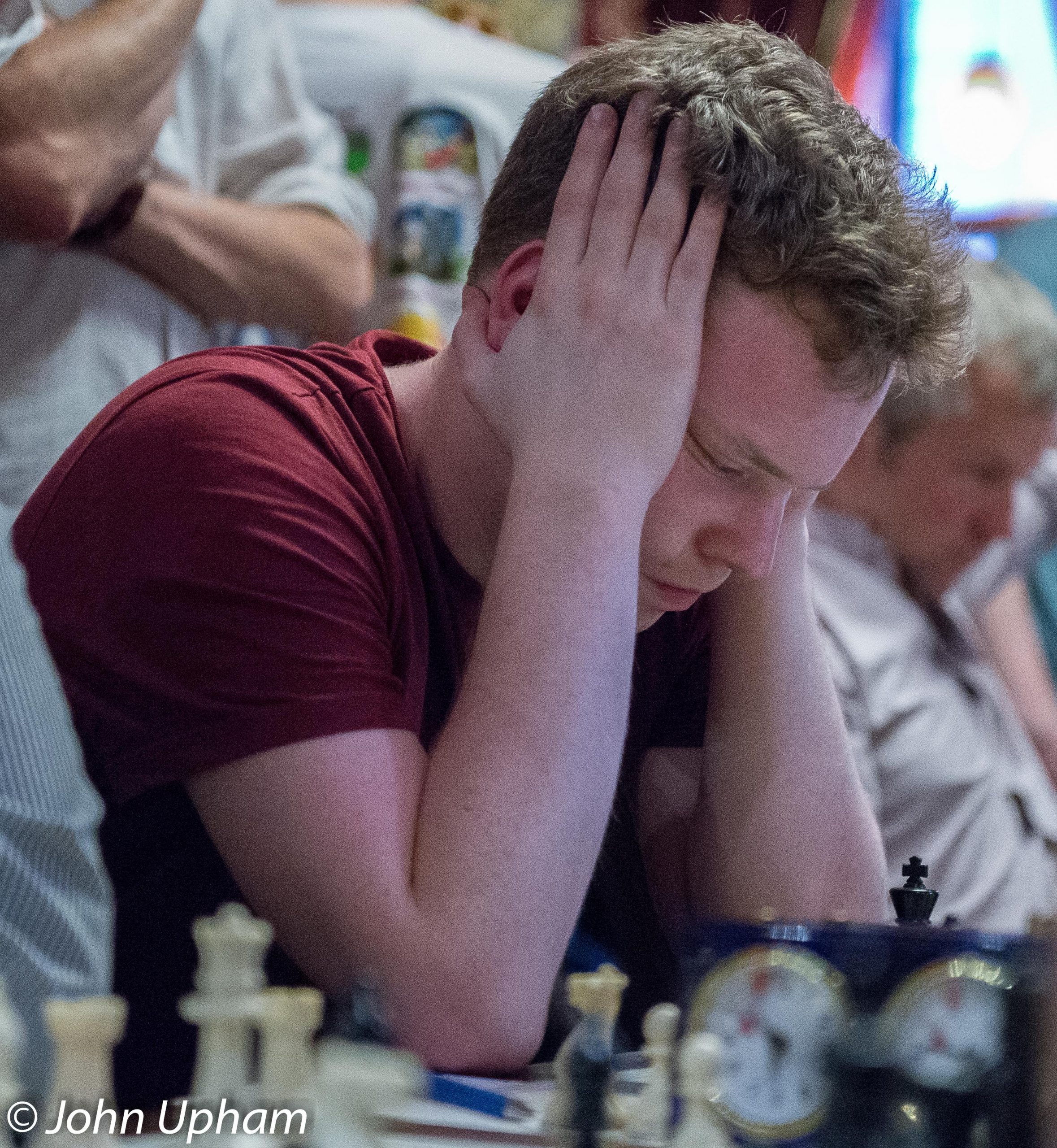
GM Justin Tan
GM Justin Tan

Birthday of GM Justin Tan (19-iii-1997)

Birthday of GM Justin Hsien Y Tan (19-iii-1997)

GM Justin Tan
GM Justin Tan

From Chessgames.com :

“Grandmaster (2018).

FM (2013); IM (2015).

Justin Tan is one of Australia’s promising juniors, and is one of two juniors amongst Australia’s top ten players.

International Master Norms

Tan won his first IM norm during the 2013-14 NCL. His 2nd IM norm came at the Caissa GM tournament held in Kecskemet in Hungary in February 2014, and he secured his 3rd IM norm , and the IM title, at the Bunratty Classic 2015 in Ireland on 22 February 2015.

Championships

Tan scored his first positive result against an accredited Master when he drew with WIM Narelle Szuveges in the Noble Park Club Championship in February 2008. Six months later he scored his first win against a master at the Noble Park Grade A Championship when he defeated FM Al-Rashid Abdul Wahab of Iraq. At the age of 12, he competed in the World U16 Championship 2009 that was held in Antalya in Turkey, scoring a solid rating-enhancing 5.5/11. He scored 5.5/9 in the 2011 U14 World Championship, beating the eventual winner FM (and now GM) Kirill Alekseenko in their individual encounter. He first played in the Oceania Zonal 3.6 in 2011 and scored 6.5/9 in the Zonal 3.6 tournament in 2013, earning his FM title under the 50% rule. He placed second to Alastair Cameron in the 2012 Australian U18 Open with 7.5/9 and did well in scoring 6/11 in the 2012 Australian Championship. He was equal second at the Victorian Championship in 2013. In September 2015, he was equal first at the Illinois Open State Chess Championship.

In October and November 2015, Tan contested the World U18 Championship staged in Greece, and placed =4th with 8/11.

Tournaments

<2007-2009> Tan’s first FIDE-rated event was the Arthur Tan Malaysian Open Championship in 2007. His first significant result at the sharp end of the leader board was equal first at the Noble Park Chess Club Open in Melbourne in May 2009.

<2010-2012> In May 2010, he scored his first win against an International Master when he defeated Mirko Rujevic at the City of Melbourne Open. He was equal first at the MCC ANZAC Day Weekender in 2010 alongside Erik O M C Teichmann and Mirko Rujevic, and won the same event in 2012 in Melbourne with 6.5/7. He won the Noble Park Grade A event in 2011, was equal first (second on tiebreak) at the 2011 Noble Park Club Championship, placed fourth in the Noble Park Club Championship 2012, and was equal first at the Noble Park Masters 2012. He finished 2012 by winning the Bob Brooking Round Robin ahead of IMs James Morris and Rujevic.

<2013-2015> 2013 started with equal first at the Noble Park Club Championship. He was equal first at the Canterbury Summer Swiss 2013 held in December 2013 in Melbourne. He chanced his arm at the powerful Isle of Man Masters (2015) held in October 2015, and scored a rating-neutral 4.5/9.

Team Events

6/10 on board 2 at the 2012 World Youth U16 Chess Olympiad, helping the Australia “A” team to 8th place. Tan played board 2 for Oxford 1 in the 2013-14 4NCL, winning his first IM norm during that event.

Rating and Ranking

Tan’s initial rating was 1802 in April 2008. His highest rating and ranking to date is 2446 and Australian #6 in November 2015.”
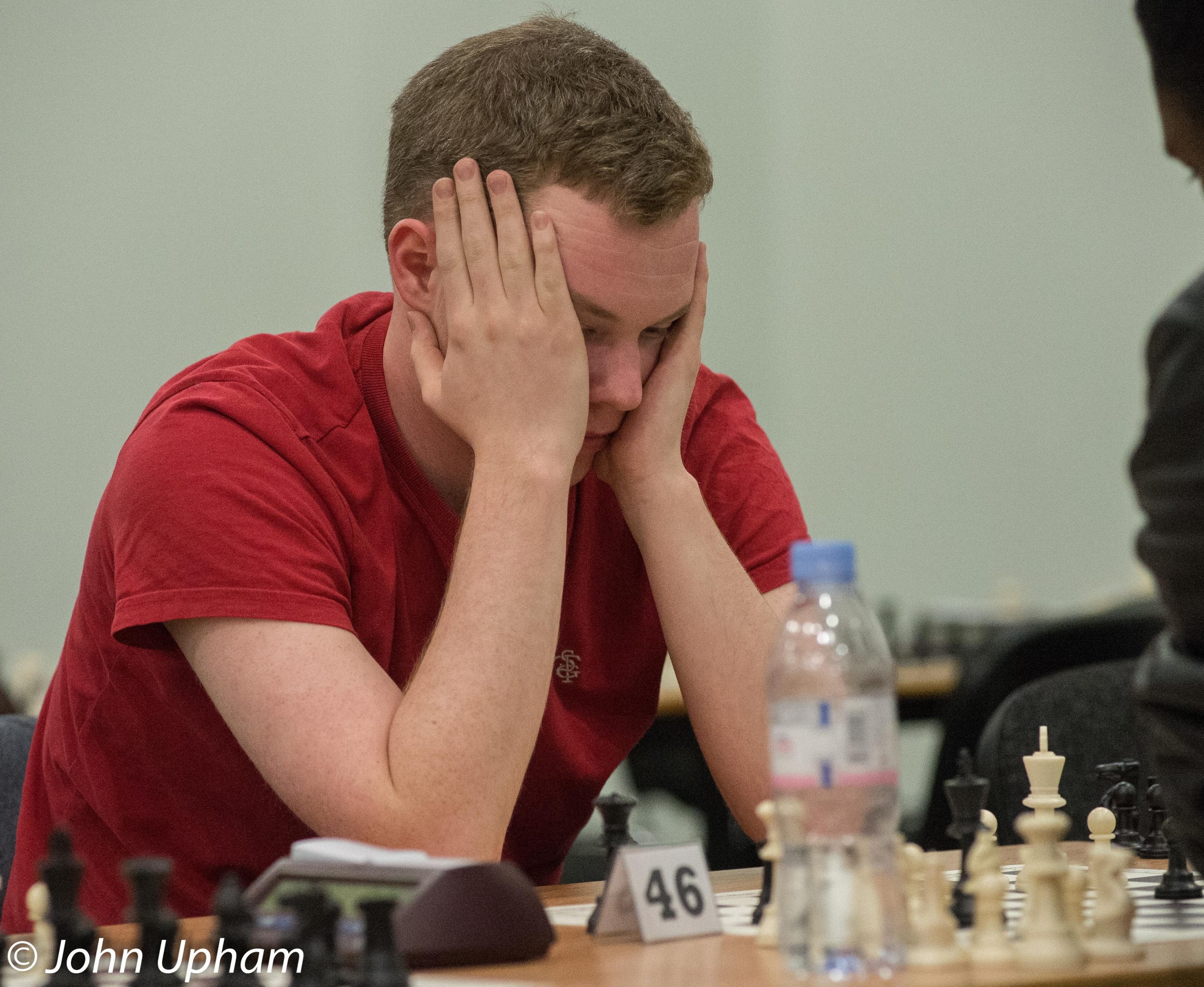
GM Justin Tan
GM Justin Tan

Birthday of IM Peter Roberson (22-iii-1989)

Birthday of IM Peter Thomas Roberson (22-iii-1989)

IM Peter Roberson
IM Peter Roberson

Peter is IM Squirlolz on chess.com

IM Peter Roberson
IM Peter Roberson

Peter’s games from chessgames.com

Birthday of IM Peter Roberson (22-iii-1989)

Birthday of IM Peter Thomas Roberson (22-iii-1989)

IM Peter Roberson
IM Peter Roberson

Peter is IM Squirlolz on chess.com

IM Peter Roberson
IM Peter Roberson

Peter’s games from chessgames.com

Birthday of IM Peter Roberson (22-iii-1989)

Birthday of IM Peter Thomas Roberson (22-iii-1989)

IM Peter Roberson
IM Peter Roberson

Peter is IM Squirlolz on chess.com

IM Peter Roberson
IM Peter Roberson

Peter’s games from chessgames.com

Birthday of IM Peter Roberson (22-iii-1989)

Birthday of IM Peter Thomas Roberson (22-iii-1989)

IM Peter Roberson
IM Peter Roberson

Peter is IM Squirlolz on chess.com

IM Peter Roberson
IM Peter Roberson

Peter’s games from chessgames.com

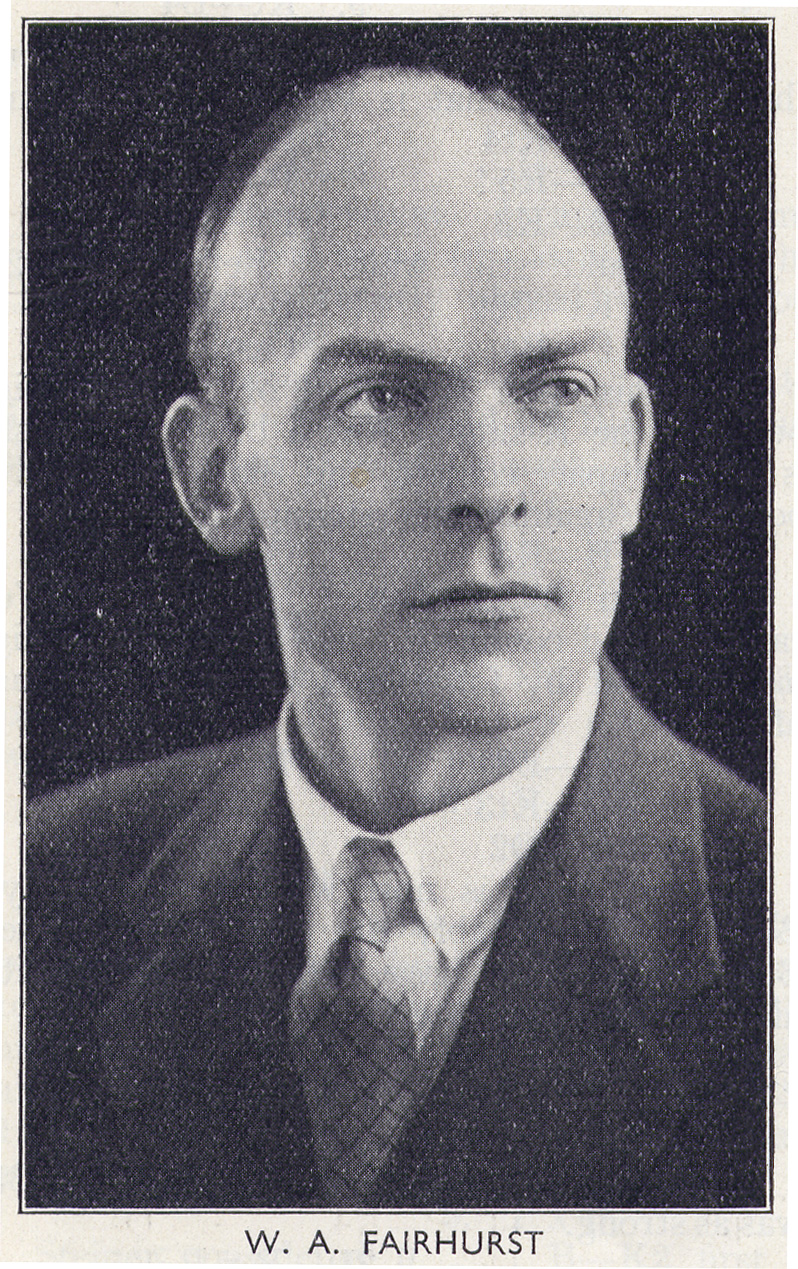
Remembering IM William Albert Fairhurst CBE (21-viii-1903 13-iii-1982)

IM William Albert Fairhurst CBE

Remembering IM William Albert Fairhurst CBE (21-viii-1903 13-iii-1982)

From The Encyclopedia of Chess by Anne Sunnucks :

“International chess master, British Champion in 1937 and Scottish Champion in 1932, 1933, 1934, 1936, 1937, 1938, 1946, 1947, 1948, 1949 and 1962.

Born in Alderney Edge in Cheshire on 21st August 1903, Fairhurst taught himself to play chess from books on the game, when he was 13, when he was 18 he won the Cheshire Championship.

His first major international success was at Scarborough in 1927, where he tied for Yates for 2nd prize, ahead of Bogoljubov, Sir George Thomas, Buerger, among others.

In 1931 he went to live to Scotland, quickly established himself as a leader of Scottish chess and played a major role in agreements between the British Chess Federation and the Scottish Chess Association. In 1932 he gave a blindfold simultaneous display, winning nine games and drawing three, in the Polytechnic Club in Glasgow, and in 1933 he drew match of six games against Eliskases.

Fairhurst has represented Great Britain in matches against Czechoslovakia and the USSR in 1946 and 1947; against the Netherlands in 1937, 1938, 1949 and 1952 and against the USSR in 1954. He also played in the Great Britain v. Australia radio match in 1947. He has represented Scotland in six chess Olympiads, those of 1933, 1956, 1958, 1964, 1966 and 1968.

At Hastings in 1947 he came 5th and went through the tournament without losing a game.

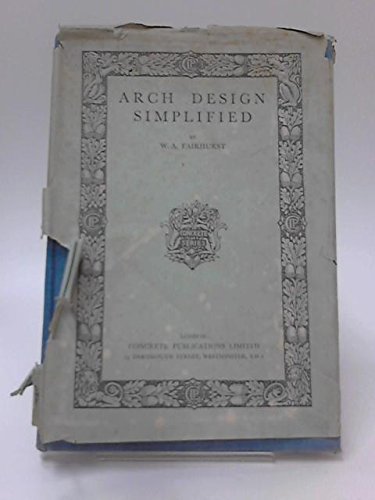
Senior partner of a leading firm of engineers and designer of the new bridge over the River Tay at Dundee (the longest river crossing in Europe), Fairhurst was Chairman of the Scottish Branch of the Institute of Structural Engineers and author of Arch Design Simplified. He was also a member of the Royal Fine Art Commission for Scotland.”

Arch Design Simplified

Here are his games

Here is his Wikipedia entry

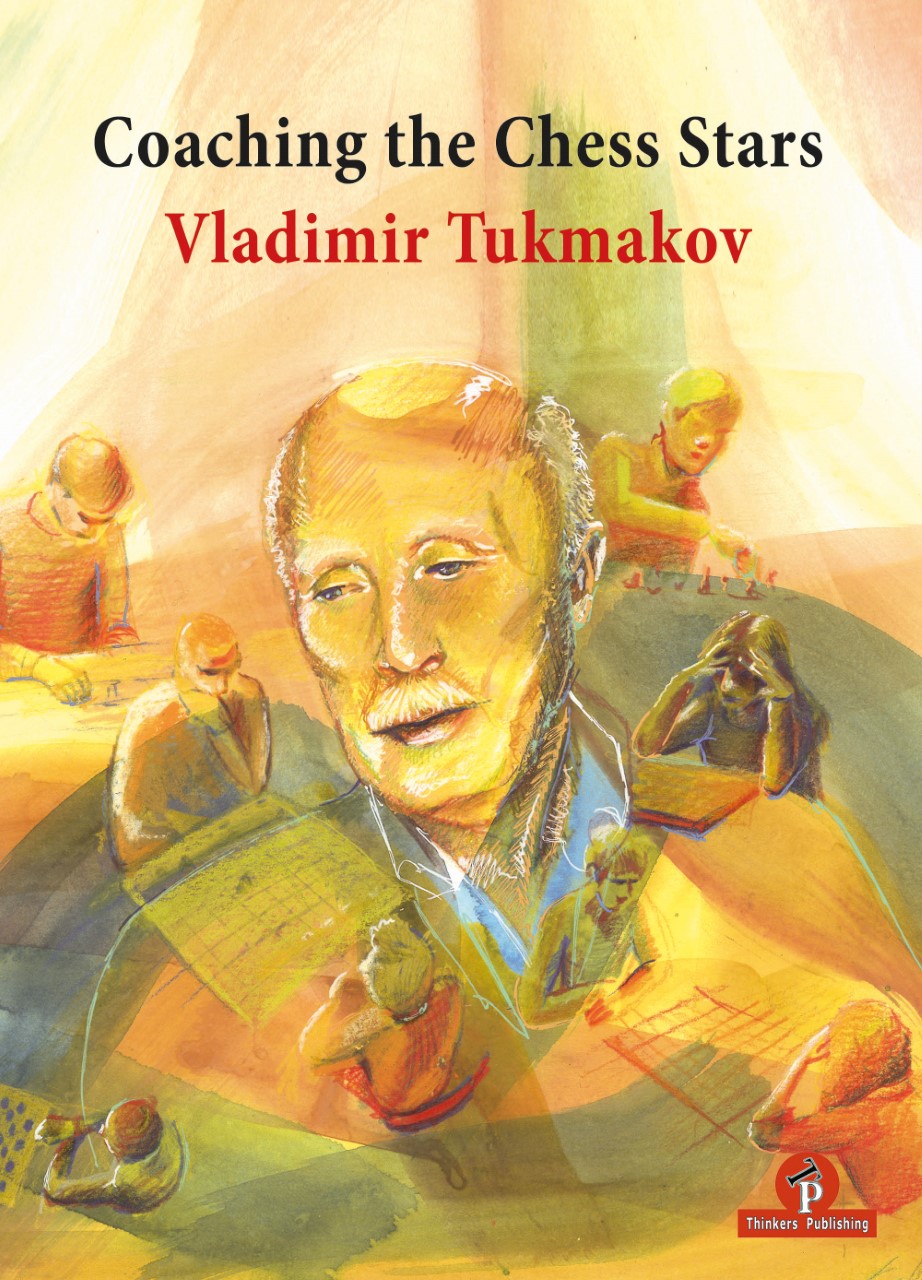
Coaching the Chess Stars

Coaching the Chess Stars

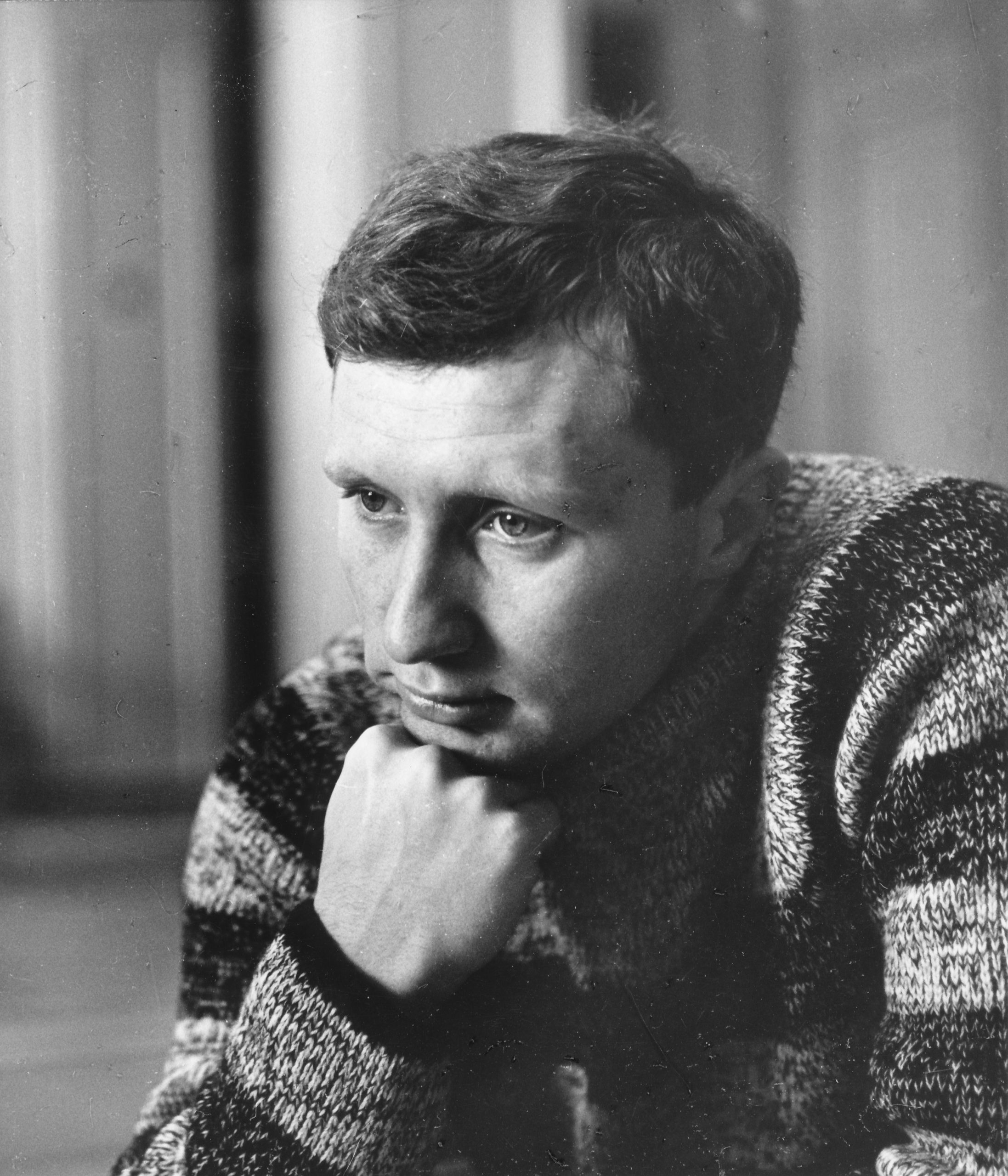
“Vladimir Tukmakov, born in Odessa 1946, was one of the strongest Ukranian grandmasters. He was the winner of several strong tournaments, including the Ukranian Championship in 1970, and he came second in three Soviet championships in 1970,72 and 83. After his successful period as active player, he became a coach, trainer and author.”

Vladimir Tukmakov
Vladimir Tukmakov

Perhaps, especially if you’re in the UK where evening league chess is still relatively popular, you’ve found yourself captaining a team.

It’s not too demanding as long as you have a pool of reliable and communicative players to choose from.

Maybe you’ve wondered what it would be like to captain a team in the Chess Olympiad: a really strong team such as Ukraine, Azerbaijan or the Netherlands. Or perhaps a star-studded team like SOCAR in the European Club Championship.

It’s a very different experience from captaining Ambridge C in Division 5 of the Borsetshire League, where all you have to do is get the right number of players to the right place at the right time and report the result, these days probably through the league website.

If you’re captaining a top international team, you’re probably dealing with large egos as well as large Elos. You have to decide on your board order, who to rest in each round, how to get everyone working well together and playing in the interests of the team. You really need to excel at interpersonal as well as chess skills.

This, then, is the subject of the first half of Vladimir Tukmakov’s new book. You’ll read about the triumphs, disasters, and, sadly, tragedies behind the teams he captained.

There’s a lot of chess as well: 37 games or extracts with fairly light annotations, which, by and large, seem to stand up well to modern engine analysis.

Here, for example, is what happens when two of the most imaginative players in 21st century chess meet. The opening, and indeed the whole game, seems to come from another planet.

It’s from the match between Ukraine and Georgia from the 2010 Chess Olympiad (Khanty-Mansiysk)

Vassily Ivanchuk (2754) – Baadur Jobava (2710)

1. e4 c6 2. d4 d5 3. f3 Qb6 4. a3 e5 5. exd5 Nf6 6. dxe5 Bc5 7. exf6 Bf2+ 8. Ke2 O-O 9. Qd2 Re8+ 10. Kd1 Re1+ 11. Qxe1 Bxe1 12. Kxe1 Bf5

Tukmakov comments here: “Formally, White has a big material advantage, but the remaining Black pieces are tremendously active. In addition, don’t forget that even though the white king is standing on its original square, White has lost the right to castle.”.

13. Be2 Nd7 14. dxc6 bxc6 15. Bd1 Re8+ 16. Ne2 Nxf6 17. Nbc3 Bc8 18. a4 a5 19. Rf1 Ba6 20. Rf2 h5 21. Ra3 h4 22. g3 h3 23. g4 Rd8 24. Nf4 Nd7 25. Rb3 Qd4 26. Nfe2 Re8 27. Ne4 Qxa4 28. Bd2 Qa1 29. Bc3 Ne5 30. Ra3 Qb1 31. Nd2 Qc1 32. Rxa5 Ng6 33. Rxa6 Nf4
34. Ra8! 1-0

Tukmakov awards ‘?!’ to Black’s 13th and 17th moves: Stockfish 11 is happy with 13… Nd7 but agrees that Black should have preferred 17… Nd5.

It’s the second half, though, which gives the book its title. Coaching a world class grandmaster who plays even better than you do is very different from giving an occasional lesson to the top board from your local primary school.

Here, Tukmakov relates his experiences of one-off collaborations with Geller, Tseshkovsky, Korchnoi (Wijk aan Zee & Brussels 1991) and Karpov (match with Anand, 1998). More recently, he’s acted as coach to Anish Giri (2014-2016) and Wesley So (2016-2017).

In this section of the book you’ll find another 46 games or extracts, so you get a lot of interesting chess for your money.

In complete contrast to the previous game, here you can see an example of impressively deep opening preparation.

Anish Giri (2768) – Alexei Shirov (2691) Hoogeveen (6) 2014

1. e4 c5 2. Nf3 Nc6 3. d4 cxd4 4. Nxd4 Nf6 5. Nc3 e5 6. Ndb5 d6 7. Bg5 a6 8. Na3 b5 9. Nd5 Be7 10. Bxf6 Bxf6 11. c3 Bg5 12. Nc2 O-O 13. a4 bxa4 14. Rxa4 a5 15. Bc4 Rb8 16. b3 Kh8 17. Nce3 g6 18. h4 Bxh4 19. g3 Bg5 20. f4 exf4 21. gxf4 Bh4+ 22. Kf1 f5 23. Ra2 fxe4 24. Rah2 g5 25. Qh5 Rb7 26. Ke2 Be6 27. Qh6 Bg8 28. Rg2 Rbf7 29. Rxh4 gxh4 30. Nf5 h3 31. Nh4 Qxh4 32. Rxg8+ Rxg8 33. Qxh4

“Only here did our home analysis end. A triumph for modern methods of preparation!”

33… Rg2+ 34. Kf1 Rh2 35. Ne3 Rg7 36. Qf6 Rh1+ 37. Kf2 Rh2+ 38. Ke1 Rh1+ 39. Kd2 Rh2+ 40. Kc1 Ne7 41. Nf5 Rhg2 42. Nxg7 Rxg7 43. Qf8+ Ng8 44. Bxg8 Rxg8 45. Qf6+ Rg7 46. Qh4 1-0

Shirov had reached the position after 21… Bh4+ before, but had met Kd2 rather than Kf1. Tukmakov claims that 25. Qh5 was a novelty: in fact it had been played twice before, with Black replying Ne5 and, although standing worse, scoring 1½/2.

An excellent book, then, fascinating and, at times, brutally honest. Tukmakov offers a different insight into top level chess from two perspectives: a captain and a coach.

If your main aim is improving your chess you might not consider it an essential purchase, but if the subject matter appeals, don’t hesitate. You won’t be disappointed.

Richard James, Twickenham, 29th February 2020

Richard James
Richard James

Book Details :

  • Paperback : 352 pages
  • Publisher: Thinkers Publishing; 01 edition (2 April 2019)
  • Language: English
  • ISBN-10: 9492510502
  • ISBN-13:  978-9492510501
  • Product Dimensions: 17 x 1.5 x 23.4 cm

Official web site of Thinkers Publishing

Coaching the Chess Stars

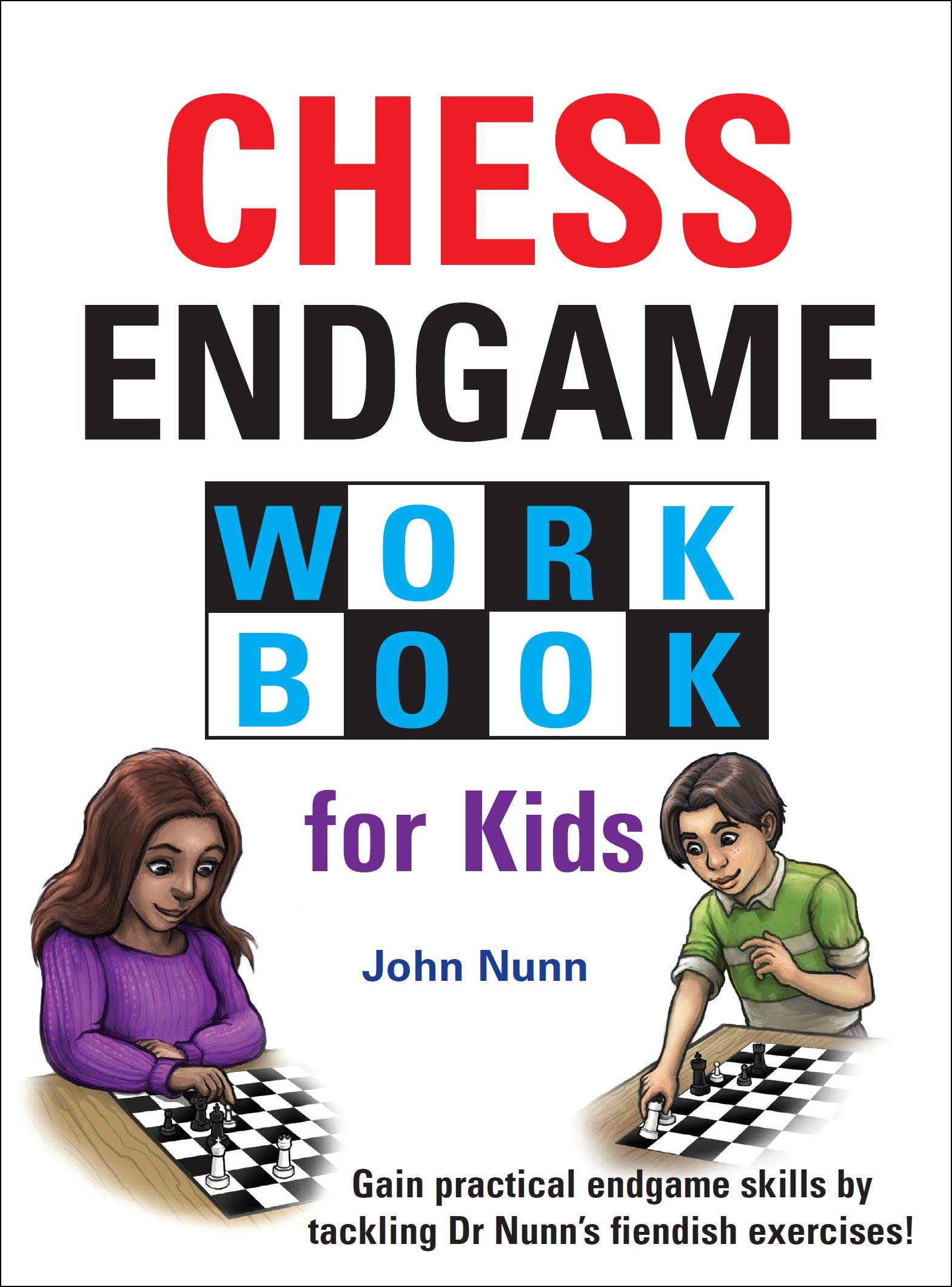
Chess Endgame Workbook for Kids

Chess Endgame Workbook for Kids : John Nunn

Chess Endgame Workbook for Kids

John Nunn has written around thirty books on chess and many of these are some of the finest chess books published in any language : Secrets of Pawnless Endings (1994, Batsford) easily is a candidate for the all time list. John is a director of Gambit Publications Ltd. together with Murray Chandler and Graham Burgess.

GM John Nunn
GM John Nunn

Chess Endgame Workbook for Kids is the eighth in a highly successful series of “for Kids” books. Indeed, we recently reviewed Chess Opening Traps for Kids and Chess Tactics Workbook for Kids.  The Workbook theme is likely to be extended other “for Kids” style books from Gambit Publications.

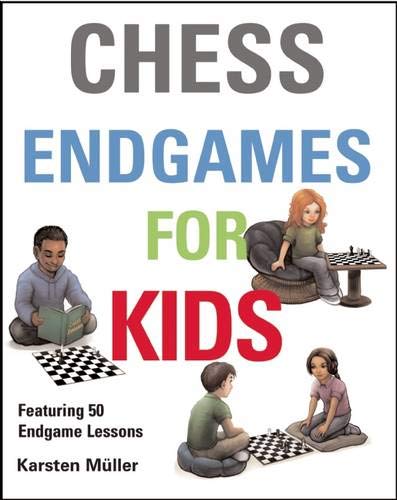
This workbook is a follow-up to the original (2015) and much liked Chess Endgames for Kids by Karsten Müller :

Chess Endgames for Kids

From the rear cover :

“This is a book for those who have started to play chess and want to know how to win from good positions and survive bad ones.

The endgame is where most games are decided, and knowing all the tricks will dramatically improve your results. Endgame specialist John Nunn has drawn upon his decades of experience to present the ideas that are most important in real games. Step by step he helps you uncover the key points and then add further vital knowledge.

Chess Endgame Workbook for Kids is the third in a new series of books that help players gain chess skills by solving hundreds of carefully chosen exercises. The themes are similar to those in Gambit’s best-selling ‘Chess for Kids’ series, but the focus is on getting hands-on experience. Many positions build on ones given earlier, showing how advanced ideas are normally made up of simpler ones that we can all grasp.

Each chapter deals with a particular type of endgame and features dozens of exercises, with solutions that highlight the key points. For each endgame we are given tips on the themes that are most important and the strategies for both sides. The book ends with a series of test papers that enable you to assess your progress and identify the areas that need further work.

Dr John Nunn is one of the best-respected figures in world chess. He was among the world’s leading grandmasters for nearly twenty years and won four gold medals in chess Olympiads. In 2004, 2007 and 2010, Nunn was crowned World Chess Solving Champion, ahead of many former champions.”

To get some idea Gambit (via Amazon) provide a “Look Inside” at their Kindle edition.

Chess Endgame Workbook for Kids is robustly (!) hardbound in a convenient size such that weights are not need to keep it propped open (unlike some A5 paperbacks) meaning studying with this book is more convenient than with many books. The layout and printing is clear (as you would expect with Gambit) with numerous diagrams at key moments in each, relatively short, game. In essence, players under 18 (for whom this book is intended) will find it easy to dip in out of and it can be used without a board (although BCN and most chess teachers and coaches would always recommend following each game on a “proper” board).

As you would expect with Gambit, the notation is English short form algebraic using figurines for pieces. A previous criticism (ibid) has been addressed in that each diagram has a symbolic “whose move it is” indicator. Each diagram does have coordinates which are very welcome for the younger junior reader.

The book is divided into 8 chapters as follows :

  1. The Lone King
  2. King and Pawn Endings
  3. Minor Piece Endings
  4. Rook Endings
  5. Rook and Minor Piece Endings
  6. Queen Endings
  7. Endgame Tactics
  8. Test Papers

Each chapter has an introduction to the type of ending examined, followed by a good number (at least 20 – 40 ) of exercises followed by “Tougher Exercises”. Each chapter concludes with Solutions (and excellent explanations) to each exercise.

Here is an example (#39) from Chapter 2 :

“Should White play 1 a5 or 1 Kc6, and what is the result ?”

The solution is at the foot of this review.

Just as for Chess Tactics Workbook for Kids, it was clear when working through the easier set of exercises that the author had thought carefully about their sequence since the reader should (we did for sure !) notice the level of difficulty increasing slowly but surely. The solutions are remote from the puzzles nicely avoiding the “accidentally seeing the solution” issue one gets with lesser books. The solutions themselves are clear and concise and instructional in their own right.

We found chapters 7 & 8 particularly rewarding and Test Papers puts the previous chapters into context. Precise calculation is order of the day rather then intuition.

One negative comment we would make (and we are struggling to make any!) concerns the cover. “Never judge a book by its cover” we are told and you might look at this book cover and think it was suitable for say primary aged children. We would say not but we would suggest it suitable from secondary aged children. We would say strong juniors from 12 upwards would read this book and enjoy it.

As we previously mentioned in our review of Chess Opening Traps for Kids, The title and cover might, perhaps, put off the adult club player market. However, the content is totally suitable for adult club players upto say 180 ECF or 2000 Elo.

In summary, we recommend this book to any junior or adult who wishes to improve their core endgame skills and results. It makes an excellent book for the new year for young players and the young at heart !

John Upham, Cove, Hampshire, February 27th 2020

John Upham
John Upham

Book Details :

  • Hardcover : 128 pages
  • Publisher: Gambit Publications Ltd; Workbook edition (15 Nov. 2019)
  • Language: English
  • ISBN-10: 1911465384
  • ISBN-13: 978-1911465386
  • Product Dimensions: 17.8 x 1.3 x 22.9 cm

Official web site of Gambit Publications Ltd.

Chess Endgame Workbook for Kids

Solution to #39 :

39) At the moment White’s g-pawn holds back all three enemy pawns. The winning idea is to stalemate Black’s kings and use zugzwang to force Black to push a pawn : 1 a5! (1 Kc6? Ka7 2 Kd6 doesn’t work because White will not promote with check if Black’s king is not on the back rank; then 2…h5! 3 gxh5 g4 4 h6 g3 5 h7 g2 h8Q g1Q leads to a drawn ending with equal material) 1…Kc8 2 a6 Kb8 3 a7+ Ka8 4 Ka6 (forcing Black to self-destruct on the kingside) 4…h5 5 gxh5 f5 6 h6 f4 7 h7 f3 8 h8Q#.